Understanding Alternative In Vitro and In Silico Methods
Scientific advances have driven the development of alternative methods to animal testing, which offer more accurate and ethical results. Among these methodologies, in vitro and in silico models stand out, validated by organizations such as the Organization for Economic Cooperation and Development (OECD) and the U.S. Food and Drug Administration (FDA). These approaches make it possible to assess the toxicity, pharmacokinetics, and safety of compounds that are most relevant to human biology.
The development of alternatives is driven by growing concerns about the sustainability of traditional animal-based approaches and the need for more reliable and efficient toxicity testing methods. However, for an alternative method to be validated and accepted by the scientific and regulatory communities, it must undergo a rigorous validation process.
The OECD establishes specific guidelines and criteria that these methods must meet. Validation includes reproducibility, which ensures consistent results across different laboratories; biological relevance, which demonstrates the method’s ability to predict effects in humans; and comparability, which ensures that the results are equivalent to or superior to those obtained using animal models.
Some examples of alternative methods validated by the OECD include the Reconstructed Human Epidermis Test (2021), used to assess skin corrosion and irritation, and the h-CLAT (2024), designed to assess the skin sensitization that certain chemicals may cause. These methods have been adopted by regulatory agencies in Europe and the United States, facilitating their integration into the industry and their adaptation by various laboratories.
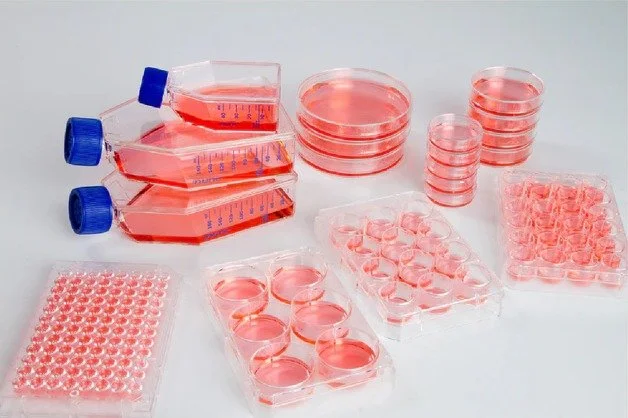
Image by Depositphotos
Acceptance by the Scientific and Animal Welfare Communities
The scientific community has shown growing interest in alternative models, particularly in the field of toxicology, due to their ability to generate data that is more relevant to human biology. Various agencies have implemented flexible regulatory frameworks that allow for and encourage their use. Institutions such as the National Toxicology Program (NTP) and the European Centre for the Validation of Alternative Methods (EURL ECVAM) have driven the development of these techniques, while organizations such as the Interagency Coordination Committee on the Validation of Alternative Methods (ICCVAM) have worked toward their standardization at the regulatory level.
For its part, the animal rights community strongly supports the adoption of alternative methods as a solution to gradually phase out animal testing through legal means. Organizations such as Cruelty Free International, the PETA Science Consortium, and Te Protejo have promoted initiatives to accelerate this transition, putting pressure on lawmakers and companies to implement them. A notable example is Chile, which in 2024 banned the production and sale of cosmetics tested on animals, setting an important precedent for future regulations and laws that could eliminate these practices in biomedical, agricultural, and other scientific fields.
Image by Depositphotos
Differences Between In Vitro and In Silico Methods
In vitro and in silico methods offer significant benefits for animal welfare, public health, and the economy. They reduce the use of resources—both in terms of infrastructure and the care of animals in appropriate animal facilities—and lower the costs of training staff responsible for their care and monitoring. Although both approaches are complementary strategies for evaluating the safety of compounds, they differ in key ways regarding development, application, replication, and validation.
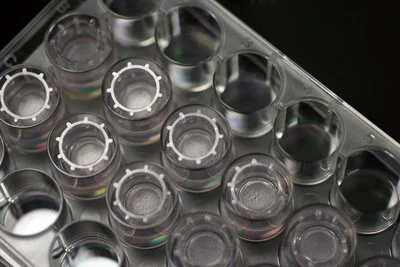
Image by Depositphotos
In Vitro Models
In vitro methods rely on the use of cell cultures to study biological responses to unknown chemicals or compounds under controlled laboratory conditions. They make it possible to evaluate cytotoxicity, genotoxicity, inflammation, therapeutic efficacy, and specific molecular mechanisms—all without the use of live animals.
One of the main advantages of in vitro methods is that the results obtained from human cells are generally more representative of human biology than those derived from animal models. However, they have limitations, as they do not account for systemic factors such as metabolism, biodistribution, or complex immune responses, which makes it difficult to extrapolate the results to the organ level and in vivo.
A notable example is the Reconstructed Human Cornea-like Epithelium, a three-dimensional model that allows for the assessment of eye irritation without the need to use rabbits. These models have been widely adopted in skin toxicology, pharmacology, oncology, and neuroscience, demonstrating their effectiveness in predicting responses.
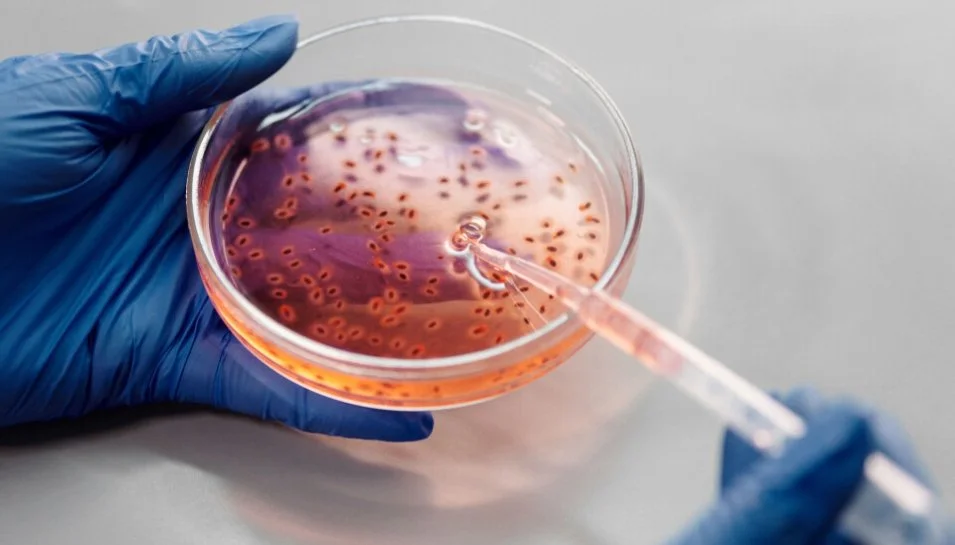
Image by Depositphotos
Other advances include cell lines, which are widely used in toxicity, biocompatibility, and drug response assays because they allow for the analysis of specific cellular processes, such as proliferation, apoptosis, and oxidative stress. However, traditional 2D models have limitations in terms of cellular architecture and communication, which has driven the development of three-dimensional (3D) models.
These 3D models improve the replication of biological structures by mimicking the natural organization and interaction of cells, making them more representative of in vivo physiology. Among them, organoids stand out as three-dimensional structures derived from stem cells, capable of self-organizing and reproducing the functional characteristics of specific organs, such as the intestine, liver, kidneys, and brain. Thanks to their complexity, organoids have transformed biomedical research by enabling advanced studies on development, diseases, and therapeutic responses, overcoming many of the limitations of conventional models.
Other in vitro advances include:
-Organ-on-a-Chip: microdevices that integrate human cells into a microfluidic environment, simulating the physiology of entire organs.
-Multifluid systems: advanced platforms that combine multiple organs-on-a-chip to replicate systemic interactions within the human body.
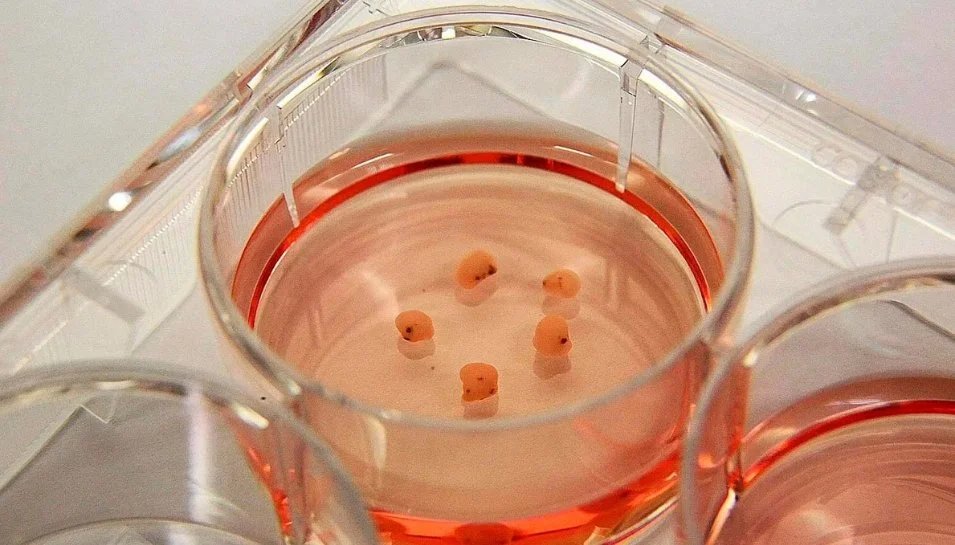
Image by Depositphotos
In Silico Models
In silico technology uses computational methods to predict chemical toxicity, offering a faster and more cost-effective alternative to animal testing. These methods employ various modeling techniques, including quantitative structure-activity relationships (QSAR) and virtual screening, to analyze large volumes of data. The main advantage of in silico approaches lies in their ability to rapidly evaluate numerous compounds, which significantly reduces the time and costs associated with research.
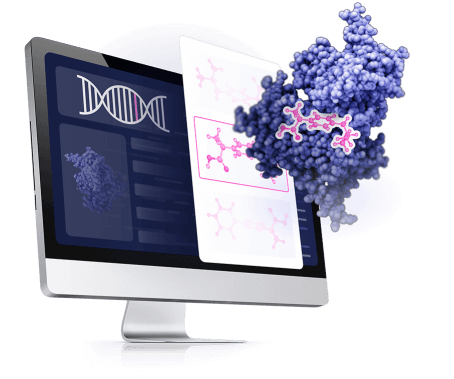
Image by Depositphotos
However, these methods present challenges, such as the need for reliable historical data to feed into predictive models and the complexity of balancing the interpretability of the models with their predictive power. Despite these limitations, in silico toxicology has gained increasing importance in regulatory contexts, particularly in light of the European REACH regulation, which aims to minimize animal testing. Furthermore, the effective development and interpretation of these computational models require increasingly advanced toxicological knowledge.
Image by Depositphotos
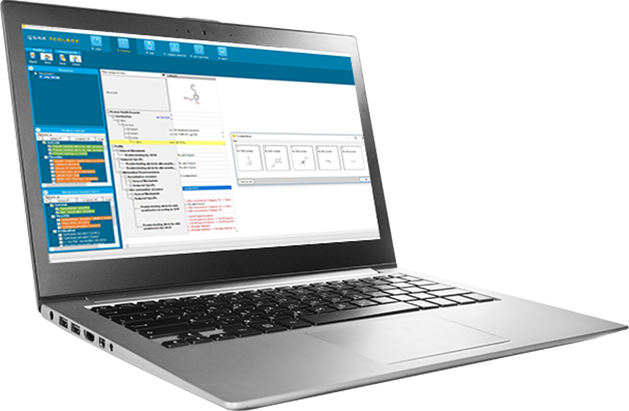
Image by Depositphotos
A notable example of in silico approaches is the OECD QSAR Toolbox, a tool that enables the prediction of chemical toxicity using mathematical models based on previous experimental data. These methods have key applications in pharmacokinetics, the prediction of drug-receptor interactions, and environmental risk assessment, providing relevant information for regulatory and safety decision-making.
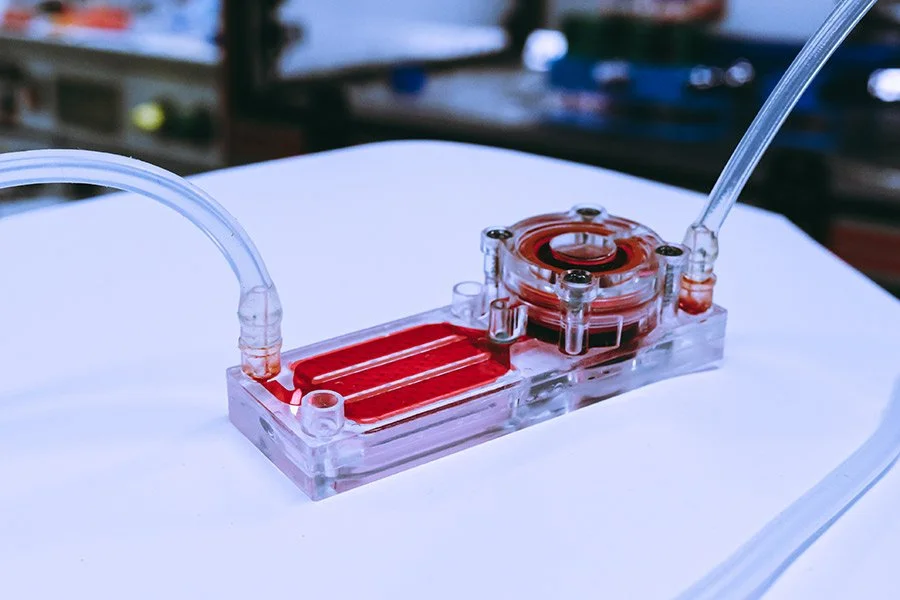
Image by Depositphotos
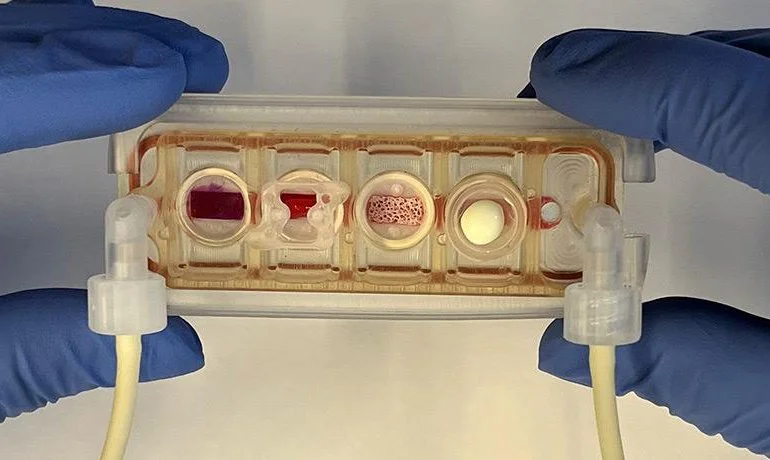
Image by Depositphotos
Promoting Science Without Animals
Alternative methods represent a true revolution in biomedical and toxicological research, offering more accurate, reproducible, and ethical solutions. The validation of these methods by organizations such as the OECD and the FDA has facilitated their adoption across various industries, demonstrating that it is possible to reduce or eliminate animal testing without compromising the quality of the data obtained.
In this context, the adoption of alternative methodologies is directly linked to ethical frameworks that aim to reduce and replace the use of animals in research. Understanding these principles allows us to appreciate the scope of these advances in modern science.
Bibliography
Nutrition, C. for F. S. and A. (2022). New Approach Methods (NAMs). FDA. https://www.fda.gov/food/toxicology-research/new-approach-methods-nams
OECD (2005), Guidance Document on the Validation and International Acceptance of New or Updated Test Methods for Hazard Assessment, OECD Series on Testing and Assessment, No. 34, OECD Publishing, Paris, https://doi.org/10.1787/e1f1244b-en.
OECD (2019), Test No. 431: In vitro skin corrosion: reconstructed human epidermis (RHE) test method, OECD Guidelines for the Testing of Chemicals, Section 4, OECD Publishing, Paris, https://doi.org/10.1787/9789264264618-en.
OECD (2021), Test No. 439: In Vitro Skin Irritation: Reconstructed Human Epidermis Test Method, OECD Guidelines for the Testing of Chemicals, Section 4, OECD Publishing, Paris, https://doi.org/10.1787/9789264242845-en.
OECD (2024), Test No. 442E: In Vitro Skin Sensitization: In Vitro Skin Sensitization Assays Addressing the Key Event of Dendritic Cell Activation in the Adverse Outcome Pathway for Skin Sensitization, OECD Guidelines for the Testing of Chemicals, Section 4, OECD Publishing, Paris, https://doi.org/10.1787/9789264264359-en.
Stucki, A. O., Barton-Maclaren, T. S., Bhuller, Y., Henriquez, J. E., Henry, T. R., Hirn, C., Miller-Holt, J., Nagy, E. G., Perron, M. M., Ratzlaff, D. E., Stedeford, T. J., & Clippinger, A. J. (2022). Use of new approach methodologies (NAMs) to meet regulatory requirements for the assessment of industrial chemicals and pesticides for effects on human health. Frontiers in Toxicology, 4. https://doi.org/10.3389/ftox.2022.964553
Stokes, W. S., Schechtman, L. M., & Hill, R. N. (2002). The Interagency Coordinating Committee on the Validation of Alternative Methods (ICCVAM): A Review of the ICCVAM Test Method Evaluation Process and Current International Collaborations with the European Centre for the Validation of Alternative Methods (ECVAM). Alternatives to Laboratory Animals, 30(2_suppl), 23–32. https://doi.org/10.1177/026119290203002s04
Casey, W., Jacobs, A., Maull, E., Matheson, J., Clarke, C., & Lowit, A. (2015). A new path forward: the Interagency Coordinating Committee on the Validation of Alternative Methods (ICCVAM) and the National Toxicology Program’s Interagency Center for the Evaluation of Alternative Toxicological Methods (NICEATM). Journal of the American Association for Laboratory Animal Science: JAALAS, 54(2), 170–173. https://pubmed.ncbi.nlm.nih.gov/25836963/
(2024). National Congress Library | Law 21,646 to prohibit animal testing in the manufacture of cosmetic products and the sale, marketing, importation, and introduction into the domestic market of such products when they have been tested on animals. Www.bcn.cl/Leychile. https://www.bcn.cl/leychile/navegar?idNorma=1200504
Li, M., Gong, J., Gao, L., Zou, T., Kang, J., & Xu, H. (2022). Advanced assessment of human developmental toxicity and teratogenicity using human organoid models. Ecotoxicology and Environmental Safety, 235, 113429. https://doi.org/10.1016/j.ecoenv.2022.113429
Fischer, I., Milton, C., & Wallace, H. (2020). Toxicity testing is evolving! Toxicology Research, 9(2), 67–80. https://doi.org/10.1093/toxres/tfaa011
Ibis, R., Hernández, M. (2020). Alternative Methods in Toxicology. https://www.semanticscholar.org/paper/M%C3%A9todos-Alternativos-en-Toxicolog%C3%ADa-Ibis-Hern%C3%A1ndez/7b788be0909c4b7041f72a02f02a6ce023753e69
Gupta, R., Rajpoot, K., Tekade, M., Sharma, M. C., & Tekade, R. K. (2022). Methods and models for in vitro toxicity. Pharmacokinetics and Toxicokinetic Considerations, 145–174. https://doi.org/10.1016/b978-0-323-98367-9.00006-8
Zink, D., Chuah, J. K. C., & Ying, J. Y. (2020). Assessing Toxicity with Human Cell-Based In Vitro Methods. Trends in Molecular Medicine, 26(6), 570–582. https://doi.org/10.1016/j.molmed.2020.01.008
Marti-Figueroa, C. R., & Ashton, R. S. (2017). The case for applying tissue engineering methodologies to guide human organoid morphogenesis. *Acta biomaterialia*, 54, 35–44. https://doi.org/10.1016/j.actbio.2017.03.023
OECD (2024), Test No. 492: Test Method for Reconstructed Human Cornea-like Epithelium (RhCE) to Identify Chemicals Not Requiring Classification and Labeling for Eye Irritation or Serious Eye Damage, OECD Guidelines for the Testing of Chemicals, Section 4, OECD Publishing, Paris, https://doi.org/10.1787/9789264242548-en.
Kretzschmar, K., & Clevers, H. (2016). Organoids: Modeling Development and the Stem Cell Niche in a Dish. Developmental Cell, 38(6), 590–600. https://doi.org/10.1016/j.devcel.2016.08.014
Raies, A. B., & Bajic, V. B. (2016). In silico toxicology: computational methods for the prediction of chemical toxicity. Wiley Interdisciplinary Reviews: Computational Molecular Science, 6(2), 147–172. https://doi.org/10.1002/wcms.1240
Gozalbes, R. Vicente, Fito-López, C. (2025). Computational methods in predictive toxicology: application to the reduction of animal testing in the context of the EU’s REACH regulation. Journal of Toxicology, 31(2), 157–167. https://dialnet.unirioja.es/servlet/dcart?info=link&codigo=4911444&orden=0
Santos, C. (2015). In silico toxicology: a new approach to chemical risk assessment. Revista Intertox de Toxicologia, Risco Ambiental E Sociedade, 4(1). https://doi.org/10.22280/revintervol4ed1.66
Gleeson, M. P., Modi, S., Bender, A., Robinson, R. L., Kirchmair, J., Promkatkaew, M., Hannongbua, S., & Glen, R. C. (2012). The challenges involved in modeling toxicity data in silico: a review. Current Pharmaceutical Design, 18(9), 1266–1291. https://doi.org/10.2174/138161212799436359
Anadón, A., Martínez, M. A., Castellano, V., & Martínez-Larrañaga, M. R. (2013). The role of in vitro methods as alternatives to animals in toxicity testing. Expert Opinion on Drug Metabolism & Toxicology, 10(1), 67–79. https://doi.org/10.1517/17425255.2014.854329
Ahuja, V., Adiga Perdur, G., Aj, Z., Krishnappa, M., & Kandarova, H. (2024). In Silico Phototoxicity Prediction of Drugs and Chemicals Using Derek Nexus and the QSAR Toolbox. Alternatives to Laboratory Animals: ATLA, 52(4), 195–204. https://doi.org/10.1177/02611929241256040