
What is the 3R principle?
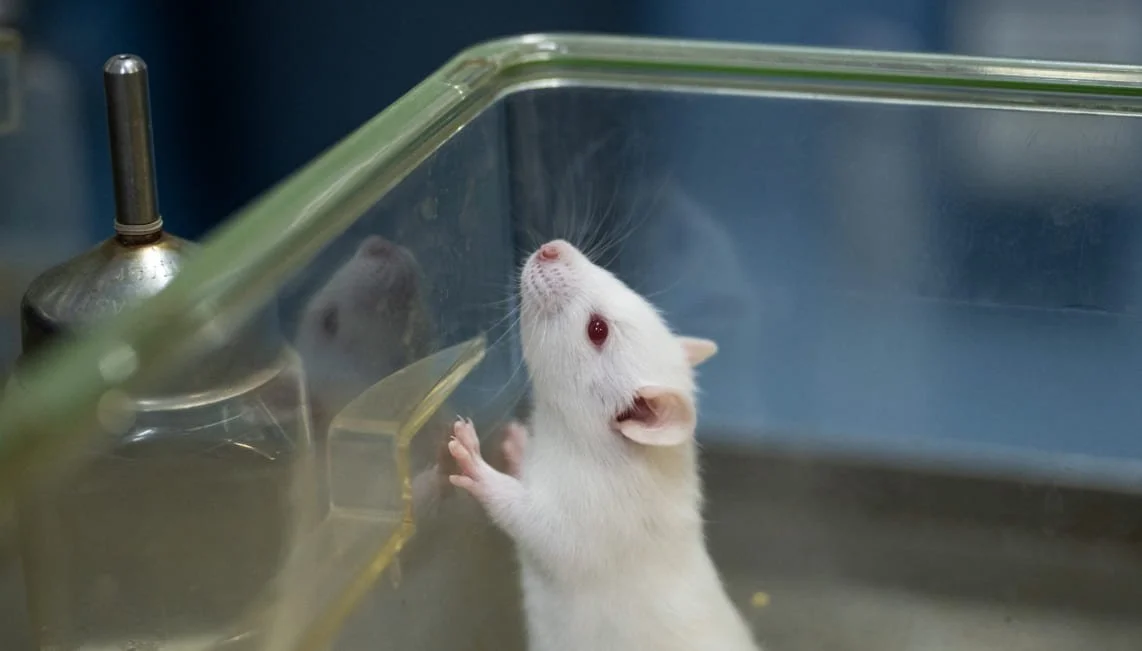
In the field of science, where every advance can impact the lives of thousands of people, a key question arises: at what cost? For centuries, animals have been used in laboratories and subjected to various procedures in the name of scientific progress and medical advancement.

Image by Depositphotos
In this context, in 1959, authors William Russell and Rex Burch proposed the 3Rs (Replacement, Reduction, and Refinement). This approach marked a milestone in bioethics by establishing a conceptual framework aimed not only at reducing animal suffering but also at improving the quality and standards of scientific research. Far from being merely an ethical principle, this approach has proven to be a key tool for improving the accuracy and relevance of scientific studies.
This has been made possible by technological advances such as inin vitro models, in chemico methods, and in silico simulations, as well as the combination of these approaches into integrated strategies.
Today, the 3Rs have become an international standard for animal welfare and scientific quality. Furthermore, they reinforce the idea that research can advance hand in hand with ethics, promoting changes in laboratory practices.
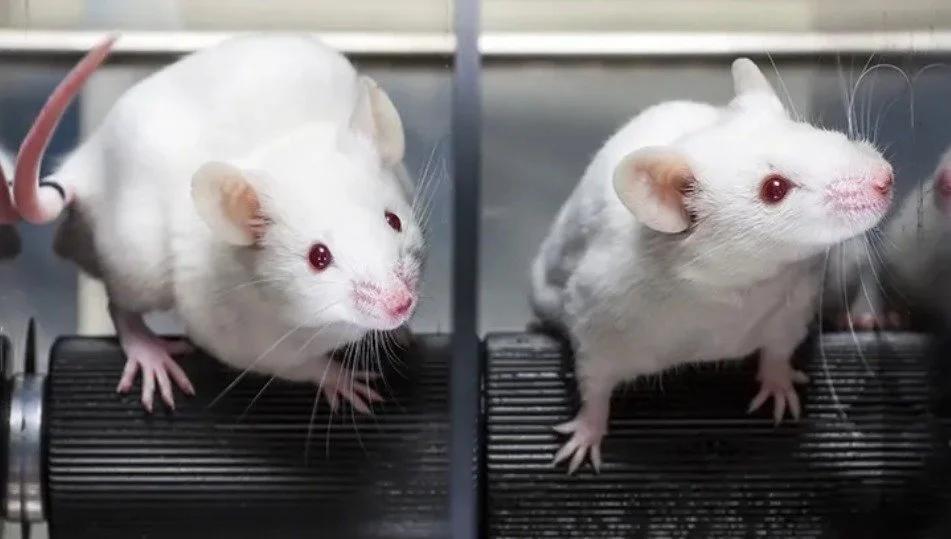
Image by Depositphotos
How are the 3Rs applied?
The 3Rs are applied collectively and are not mutually exclusive. First, the goal is to replace the use of animals when alternative methods exist that yield valid results. If complete replacement is not possible, the number of animals used is reduced, and finally, conditions are refined to minimize pain and stress.

Image by Depositphotos
Replacement involves the use of non-animal methods, such as cell cultures, organoids, or bioinformatics tools. These include human cell cultures in 2D and 3D systems, organs-on-a-chip that replicate specific functions, and cytotoxicity assays using computational models that allow for the evaluation of chemical safety.
The reduction focuses on minimizing the number of animals needed to obtain statistically significant results. This is achieved by optimizing the experimental design and using previously published data, thereby avoiding duplicate studies. In addition, there are tools that support this process, such as the EDA (Experimental Design Assistant) developed by the NC3Rs, which allows researchers to calculate the minimum number of animals required for different types of research.
Finally, refinement aims to improve living conditions and experimental procedures to minimize pain and stress in animals. This includes measures such as environmental enrichment, the use of analgesia, and the establishment of humane endpoints. While there is a standardized definition for each principle, their implementation may vary depending on the criteria of each institution or regulation.
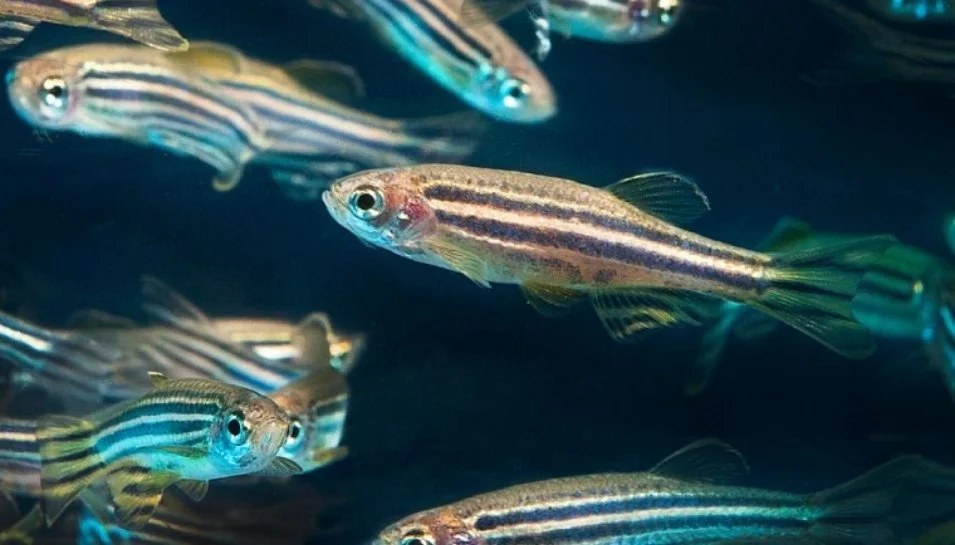
Image by Depositphotos
Limitations and Shortcomings
Although the 3Rs principles are fundamental, their implementation faces various barriers.
One of the main limitations is the lack of funding to develop and validate alternative methods for replacement and reduction, as well as to maintain adequate standards for refinement. Added to this are insufficient staff training in animal handling and budgetary constraints that make it difficult to improve welfare conditions.
Ethical and scientific debates also persist regarding replacement, since in some cases the use of mammals is substituted with organisms considered less complex, such as invertebrates. However, this approach does not completely eliminate animal suffering.

Image by Depositphotos
Replace a mouse with a fish?
There is also what is known as Krogh’s principle, which states that each species possesses characteristics that make it more suitable for certain studies. However, in practice, the choice is often influenced by factors such as accessibility, cost, and ease of handling, rather than scientific suitability.
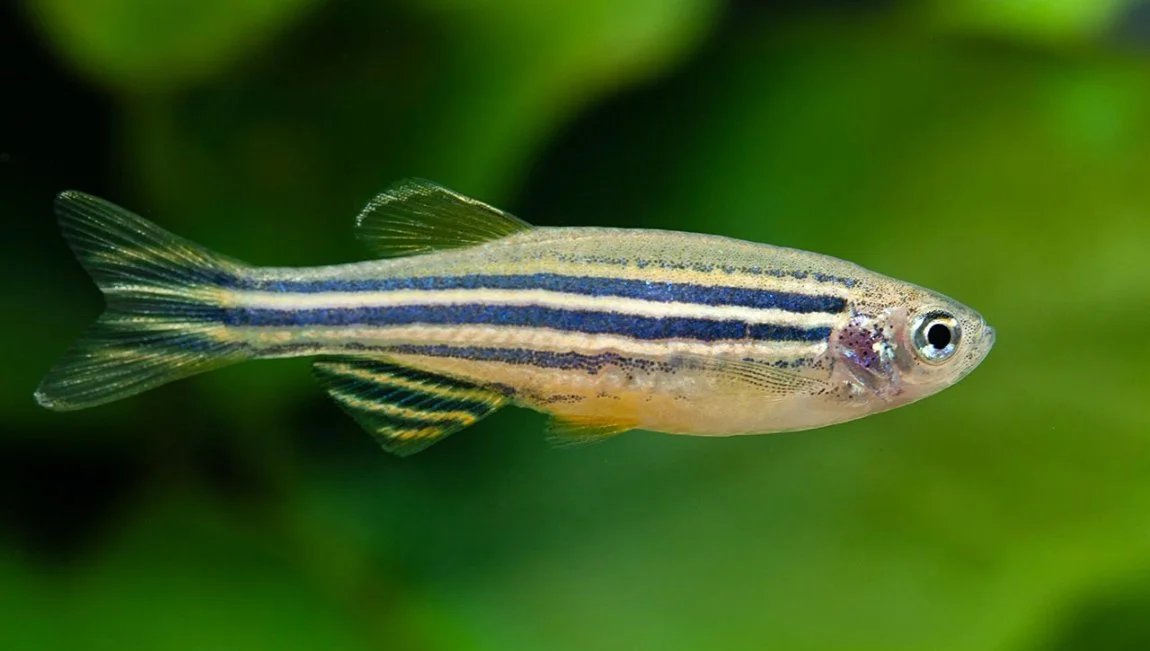
An example of this is the use of zebrafish, which has become a common model in genetic research due to its rapid reproductive cycle and certain similarities to human biological processes.
However, their apparent simplicity does not eliminate fundamental ethical questions, such as their capacity to experience pain or stress. Although their nervous system is less complex than that of mammals, various studies indicate that these species can perceive and respond to harmful stimuli, which challenges traditional notions of animal sentience.

Image by Depositphotos
Refinement as a requirement and a “humanitarian” end in itself
Refinement should be a standard in all research involving animals; however, in practice, it may be limited by methodological or practical considerations. There are studies that involve inducing chronic stress, starvation, or disease, which puts animal welfare principles under strain in the pursuit of scientific objectives.
In this context, the so-called “humane end point,” designed to reduce suffering, may function more as a reactive rather than a preventive measure. Furthermore, researchers working with animals have reported an emotional burden associated with these procedures, often in environments where questioning them may entail professional risks. These factors highlight the need to move toward more profound changes in scientific culture, incorporating a more ethical and respectful approach toward animals used in research.
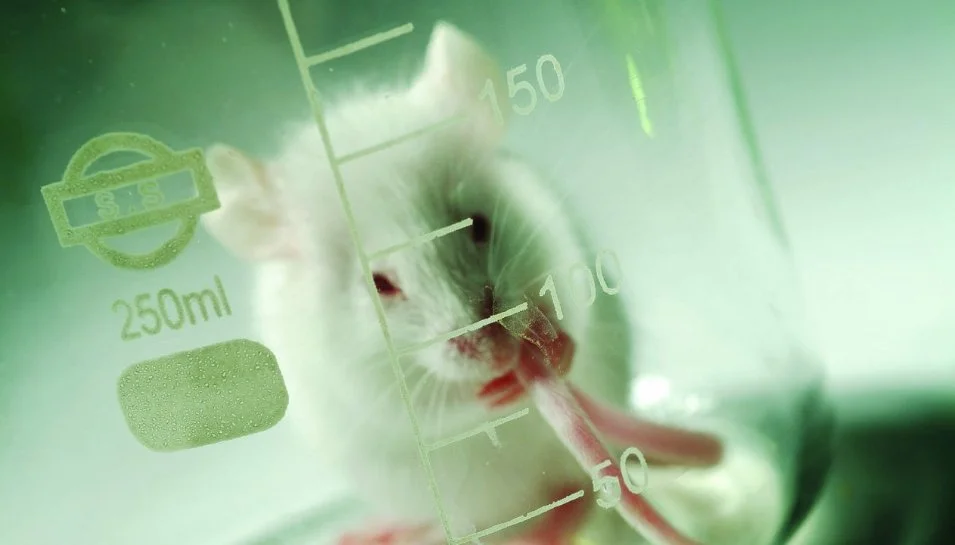
Image by Depositphotos
Reduction Protocol
Reducing the number of animals used in research is based on calculations that allow for statistically significant results without compromising the validity of the study. Tools such as statistical power analysis and a review of the existing literature help determine an appropriate sample size. However, difficulties may arise when applying these criteria, as the formulas and approaches vary depending on the type of data sought and the source of the animals used.
In this context, decisions are not always entirely objective. Some ethics committees prioritize reducing the number of animals without considering the severity of the procedures, which can concentrate greater harm on fewer individuals. In other cases, the decision is made to distribute that impact across larger groups, thereby exposing a greater number of animals. Therefore, it is essential to strike a balance between scientific validity and animal welfare.

Image by Depositphotos
On the way to 1R
In modern science, the complete replacement of animal models is seen as the ultimate goal of the 3Rs. However, this process faces technical, cultural, and financial challenges. Emerging technologies such as gene editing and advanced computational simulations show great potential to transform fields such as pharmacology and toxicology, bringing us closer to the possibility of eliminating the use of animals in research.
Nevertheless, moving in this direction requires a shift in approach that considers not only technological development but also collaboration among the various communities involved. Presenting these initiatives as opportunities to improve the accuracy, reproducibility, and relevance of experimental models—rather than as limitations—can facilitate their adoption and validation within the scientific community.
In this context, moving toward the replacement of animal use remains one of the main challenges in scientific research. Understanding the available alternatives allows us to understand how these approaches are being integrated into safety assessment.

Image by Depositphotos
Bibliography
Russell, William, and Rex Buch. 1959. *The Principles of Humane Experimental Technique*. London: Methuen & Co.
Cramer, J. (2025). The Animal Testing Landscape: Animals in Science and Alternatives. Cherry Biotech. https://www.cherrybiotech.com/wp-content/uploads/2025/01/Animal-testing-landscape-CherryBiotech.pdf
(2020). Guidelines for Testing Chemicals. Retrieved from https://www.oecd.org
Akhtar A. (2015). The flaws and human harms of animal experimentation. Cambridge Quarterly of Healthcare Ethics: CQ: The International Journal of Healthcare Ethics Committees, 24(4), 407–419. https://doi.org/10.1017/S0963180115000079
EDA (Experimental Design Assistant: RRID:SCR_017019, https://eda.nc3rs.org.uk)
Doke, S. K., & Dhawale, S. C. (2015). Alternatives to animal testing: A review. Saudi Pharmaceutical Journal: SPJ: The Official Publication of the Saudi Pharmaceutical Society, 23(3), 223–229. https://doi.org/10.1016/j.jsps.2013.11.002
Cantoni, N. (2009). Sampling Techniques and Sample Size Determination in Quantitative Research - Argentine Journal of Humanities and Social Sciences ISSN. https://www.sai.com.ar/metodologia/rahycs/rahycs_v7_n2_06.htm
Franco N. H. (2013). Animal Experiments in Biomedical Research: A Historical Perspective. Animals: an open access journal from MDPI, 3(1), 238–273. https://doi.org/10.3390/ani3010238
Lindstedt, S. (2014). Krogh 1929 or 'The Krogh Principle'. Journal of Experimental Biology, 217(10), 1640–1641. https://doi.org/10.1242/jeb.095505
Vargas-Vargas, Rafael Antonio. (2017). Zebrafish (Danio rerio) and Anesthesia: An Alternative Animal Model for Basic Biomedical Research. Anesthesia in Mexico, 29(Suppl. 1), 86–96. Retrieved January 20, 2025, from http://www.scielo.org.mx/scielo.php?script=sci_arttext&pid=S2448-87712017000400086&lng=es&tlng=es.
López, M. A., & Sánchez, J. L. (2023). Reducing the number of laboratory animals and calculating sample size: a five-legged table. Journal of Health Sciences Research, 15(2), 123-135. https://www.redalyc.org/pdf/919/91932969005.pdf.