
The History of Rats
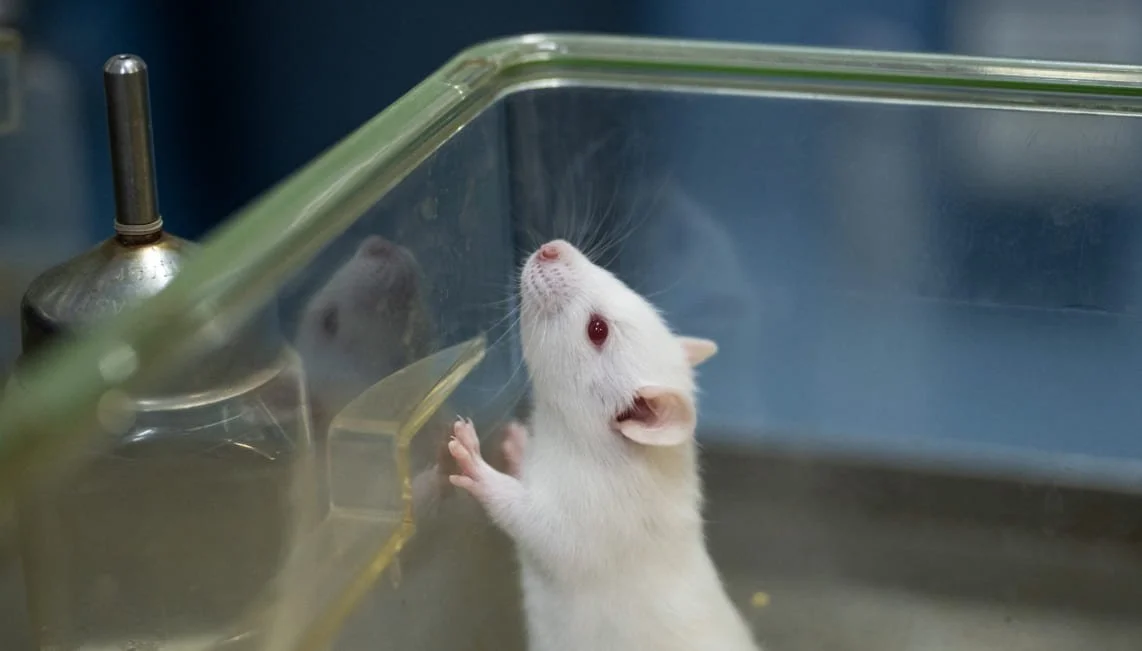
Animals have traditionally been used in tests and experiments for various purposes. Despite the wide variety of speciesused for these purposes, there is one animal that has been the subject of millions of experiments, becoming an icon of research: the rat.
Rats (Rattus norvegicus), historically considered pests in urban settings due to their ability to adapt and proliferate in environments such as croplands and damp areas (such as sewers or drains), have been extensively used in scientific research. This process began in the 19th century, when their behavior and similarities to humans were exploited as justification for their use in experimentation. This transformation—from being denigrated and problematic creatures to individuals widely used for human benefit—reveals a relationship of domination that perpetuates these creatures’ vulnerability. Today we know that they possess advanced intelligence, a complex social structure, and an ability to feel pain and stress comparable to that of other mammals.
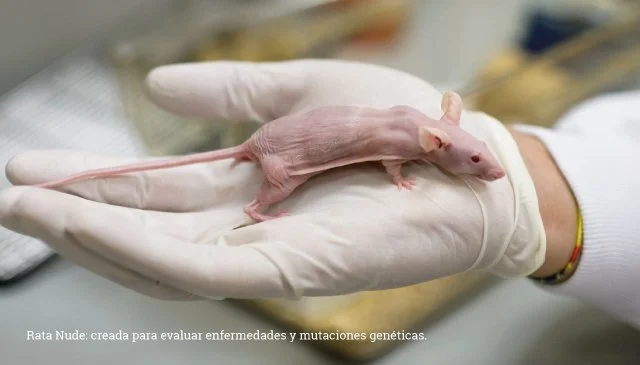
Image by Depositphotos
The History and Domestication of Rats
The black rat (Rattus rattus) originated in Southeast Asia and migrated westward, reaching all of Europe via ships traveling south, where it reproduced rapidly. Its evolutionary descendant, the Norway rat or brown rat (Rattus norvegicus), was the first mammal species to be domesticated for scientific research. The earliest recorded selective breeding of albino and wild rats for experimentation began in Germany in 1877 and in the United States around 1890, using specimens imported from Switzerland during the 19th century.
Henry H. Donaldson, recognized as the “father” of the albino laboratory rat, standardized the colonies in 1906 while serving as director of the Wistar Institute in Philadelphia and published a report on the Norwegian rat, laying the groundwork for comparative studies. Since then, they have been used and modified to create different strains for studies in neuroscience, toxicology, pharmacology, and behavior in the name of scientific advancement and knowledge.
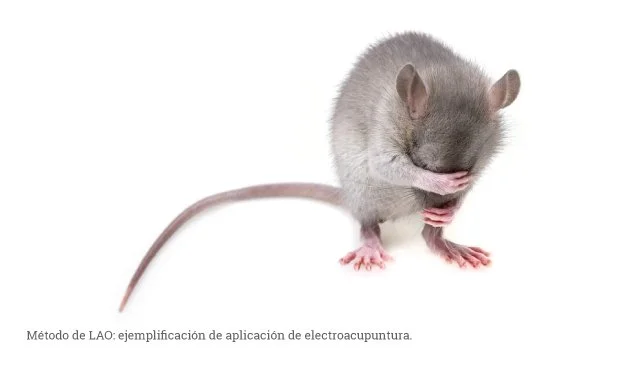
Image by Depositphotos
The most prominent strains in the field of research include the Sprague-Dawley, known for its rapid growth and high proliferation, although it is more susceptible to respiratory diseases. The Wistar strain, or albino rat, is distinguished by its resistance to infections and low incidence of spontaneous tumors; its docility and adaptability to laboratory conditions have helped make it a popular model for various studies. Finally, the Long-Evans is the smallest of these strains and is characterized by its distinctive coat, which includes a black cap extending from the head to the neck.
Although millions of animals are used in research each year, the effectiveness of these methods has come under scrutiny, as nearly 90% of drugs that work in animals fail in human clinical trials, resulting in a significant waste of time and resources. Furthermore, the suffering of animals in these experiments and the severity of some studies is a reality that concerns many scientists and activists.
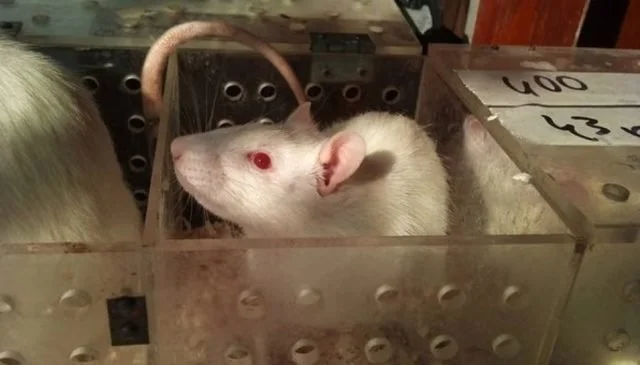
Image by Depositphotos
Common Experiments with Rats
Rats are used in various studies involving invasive procedures and extreme conditions. Among the most common experiments are:
Induction of Disease Models: This includes the creation of models of Parkinson's disease, Alzheimer's disease, and diabetes through the administration of neurotoxins or genetic manipulation.
Chronic Pain Models: Repetitive noxious stimuli, such as nerve ligation or exposure to chemical agents, are applied to study the mechanisms of pain and analgesia.
Skin, eye, or inhalation toxicity tests: These are used as models to evaluate the toxic response to chemicals, drugs, toxins, or new treatments, both chronically and acutely.
Morris Maze Test: Designed to assess spatial memory and learning, this test subjects rats to constant stress by making them swim repeatedly in search of a hidden platform.
Rotating Tube Test: Used in studies of physical endurance, in which rats must hold onto a rotating bar until they fall from exhaustion.
Invasive surgeries: These include brain ablations, electrode implants, and other procedures used to study neuroscience and behavior.
Passive and Active Avoidance Test: Fear and stress are induced to assess memory and learning in animals predisposed to anxiety and depression.
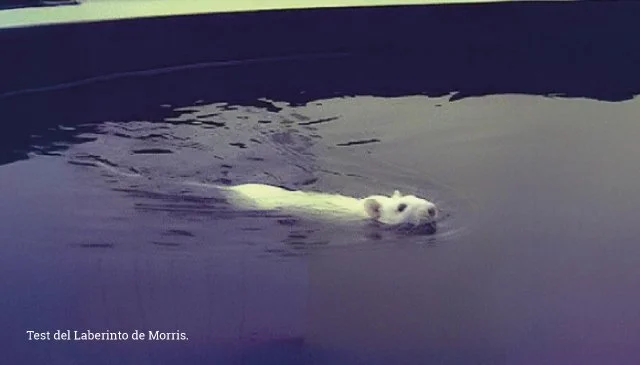
Image by Depositphotos
In Europe, between 2018 and 2022, 3,596,340 rats were used in experiments, making them the second most commonly used rodent. In the U.S., rats are not even included alongside mice in the Animal Welfare Act, even though they account for 95% of the species most commonly used in research. In Mexico, a study conducted between 2015 and 2021 revealed that at least 565,134 rats were used in scientific and educational research, although the actual number could be much higher due to the lack of official records. The situation in the rest of Latin America is even more concerning; since there are no regulations requiring institutions to report the number of animals used in research, there is a lack of accurate data on the number of rats and other animals subjected to experimentation each year. This lack of transparency prevents us from understanding the true magnitude of the problem.
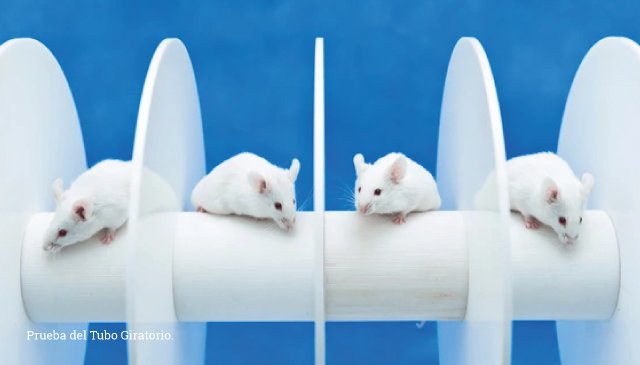
Image by Depositphotos
Sensation and Nociception in Rats
Studies have shown that rats possess a high degree of sentience, exhibiting empathy and emotional responses to the suffering of their fellow rats. Furthermore, their nervous system is highly sensitive to pain, with nociception mechanisms similar to those of humans, confirming their ability to experience physical and emotional suffering; they can anticipate and avoid pain, learn from previous experiences, and modify their behavior in response to aversive stimuli.
Furthermore, research has shown that rats form social bonds and can experience stress due to the loss of companions, which reinforces the idea that they have a complex emotional life. These findings have been instrumental in promoting environmental enrichment in laboratory settings, which refers to the provision of physical, social, and sensory stimuli that allow captive animals to exhibit natural behaviors and improve their well-being. Social enrichment, which includes interaction with other rodents, is vital to their psychological health and overall well-being.
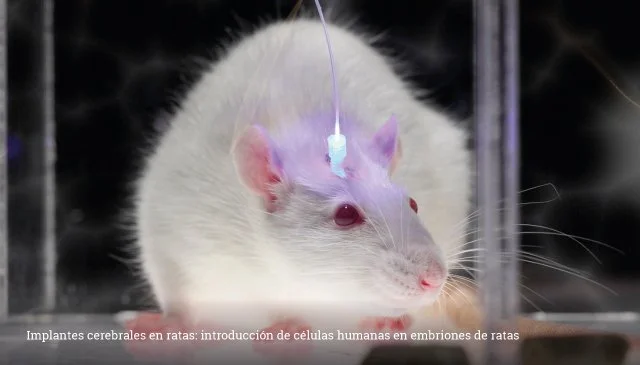
Image by Depositphotos
Rat ethology has also seen significant progress in recent years thanks to the integration of bioacoustics and other disciplines into the analysis of animal behavior in laboratory settings. Historically, research focused on observing overt behaviors, without paying much attention to the acoustic aspects of communication. Today, it is recognized that acoustic communication—which encompasses audible and ultrasonic signals—plays a crucial role in interactions among rats, both in stressful situations and in maternal care behaviors. Emphasis is placed on the importance of understanding how these animals use vocalizations inaudible to humans to express emotional states and respond to environmental stimuli.
With advances in biotechnology, alternative models have emerged that can replace the use of rats in experimentation. Methods such as three-dimensional cell cultures, organoids, organ-on-a-chip systems, and computational simulations (in silico) have proven to be effective and more representative of human physiology (Hartung, 2009). The OECD and organizations such as ICCVAM and EURL ECVAM have validated several of these methodologies, promoting their implementation in modern science.
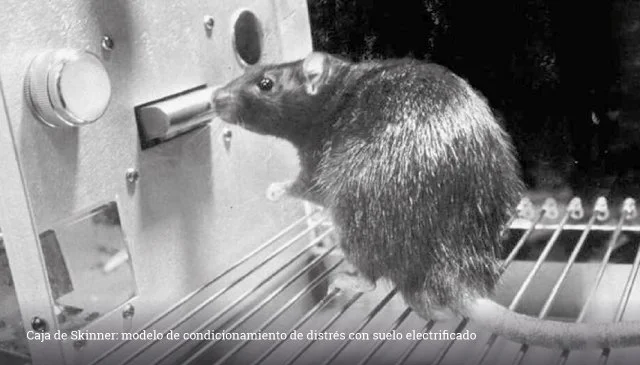
Image by Depositphotos
At Te Protejo, we invite you to start looking at rats and mice beyond the prejudices that exist about them and the place society has assigned them. These creatures are more than just a number, more than a pest, more than a research subject. Rodents are sentient beings who deserve a life free from cruelty.
That's why, join our campaign, click the button, and download the content. Share and raise awareness! You can help change the course of these animals’ lives.
References:
"90% of animal experiments fail. Why are they still being conducted?"
"The evolutionary history of wild and domestic brown rats"
"Modeling Trauma in Rats: Similarities to Humans and Potential Pitfalls to Consider"
"Differences in conditional self-discrimination between Wistar and Sprague-Dawley strains"
"Ethological and Temporal Analyses of Anxiety-Like Behavior: The Elevated Plus-Maze Model 20 Years On" "Animal Models of Neurological Deficits: How Relevant Is the Rat?"
Frías-Álvarez, P., & Ortiz-Millán, G. The Number of Animals Used in Mexico for Scientific and Educational Purposes. Alternatives to Laboratory Animals. 2024;52(1):28-41.
"3R—Refinement Principles: Improving Rodent Well-Being and Research Quality"
"Identifying Opportunities to Improve Rodent Husbandry Through Benchmarking and Collaboration" "Ethology and Bioacoustics in Rats and Guinea Pigs"
"Development of a Water Maze Procedure for Studying Spatial Learning in Rats"
"Next-generation biotechnology is making some lab animals obsolete"