
The Story of the Zebrafish
Hidden within the depths of thousands of scientific experiments is a creature with fins and an adorable striped suit that has been the focus of numerous studies. A small freshwater fish native to Asia has become one of the most extensively studied organisms in science over the past five decades. Its extensively characterized genome has enabled genetic manipulation and the creation of hundreds of disease models. Furthermore, its transparent embryonic development has allowed for the observation of cellular processes in real time. All of this is thanks to its rapid reproductive cycle, which makes it easy to produce multiple generations in a short period of time.
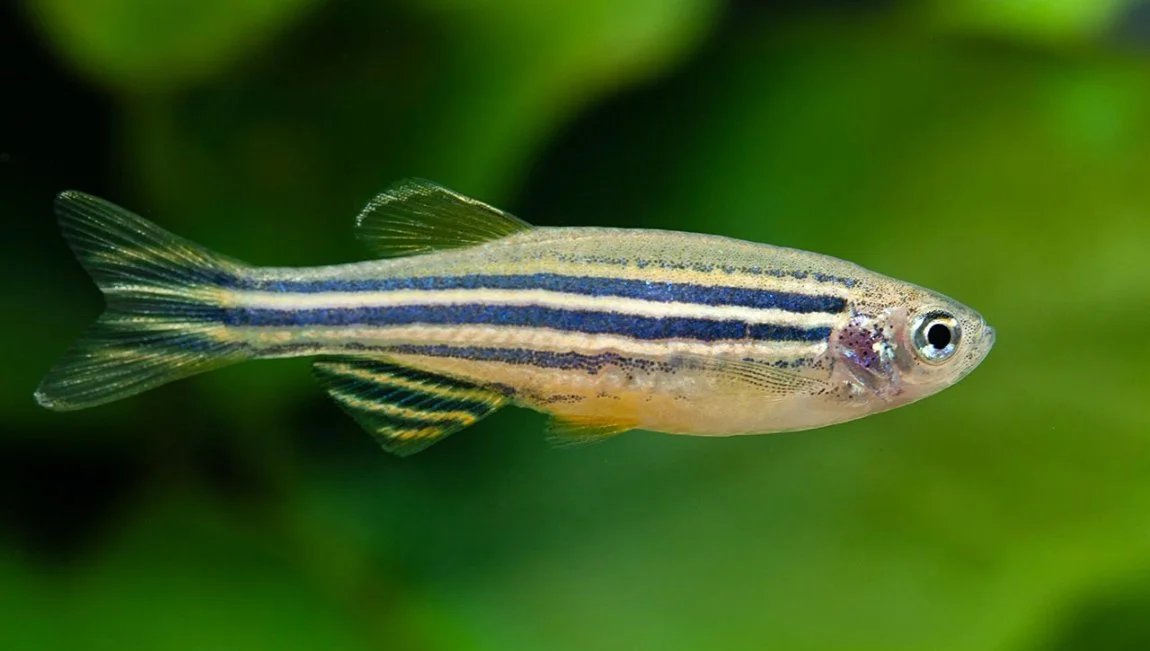
This is the zebrafish. Its scientific name is Danio rerio, derived from Bengali and Latin roots, and literally means “small striped fish of the rice paddies.” This species has been used as a tool to advance research in genetics, developmental biology, toxicology, and human disease research (such as cancer, heart and eye conditions, and neurodegenerative and immune diseases), serving both as a disease model and for testing drugs or treatments. It is highly likely that when searching for scientific articles in any field, you will come across more than one experiment involving zebrafish. However, despite their widespread use in science, there are no exact global figures on how many are used in research. This is because most countries do not report their use and, in particular, because larvae younger than 5 days post-fertilization are not covered by regulations, even though they are the most commonly used. In Europe and the United Kingdom, official records show hundreds of thousands of fish per year, with Danio rerio being the most widely used species, while in the United States there is no requirement to report their use.
One of the reasons the zebrafish is so widely used in science is its genetic similarity to humans. Approximately 70% of its genome matches ours, and about 84% of the genes associated with human diseases have an equivalent in this animal. Furthermore, its ability to regenerate tissues, such as cardiac and nervous tissues, has established it as a key organism in regenerative therapy research. These characteristics have made the zebrafish one of the most widely used animals for testing new treatments since the 1930s, with a significant increase in usage since the 1970s. However, this stems more from a phenomenon of evolutionary conservation than from a valid ethical reason to justify the use of species mistakenly considered “less sentient.”
What do we know—and what don't we know—about fish sentience?
Sentience—or the ability to experience sensations and emotions—has traditionally been associated with mammals and birds, leaving fish and other species out of the ethical debate for many years. Anatomical differences between the nervous systems of fish and mammals have raised questions about whether the experience of pain and stress in an aquatic environment is similar to that of terrestrial animals.
It is often argued that their perception cannot be compared to that of humans or mammals, since they do not react in the same way to harmful stimuli or lack homologous defense systems. However, this does not mean that they do not feel pain; our biased perception does not negate the reality of their experience. In addition, mounting evidence points to the need to reevaluate these assumptions; various studies have shown that marine animals, including zebrafish, possess complex nervous systems that allow them to experience stress, pain, and learn new things. For example, zebrafish exhibit behavioral responses to injury, such as rubbing against surfaces after an injury or avoiding areas where they have received electric shocks or other painful stimuli. These responses correspond to adaptive behaviors that suggest a much deeper conscious experience of pain than we currently understand. They feel the need to seek relief or move away from potentially dangerous environments, seeking out various forms of shelter and avoiding wide-open spaces or areas where their main predators are found.
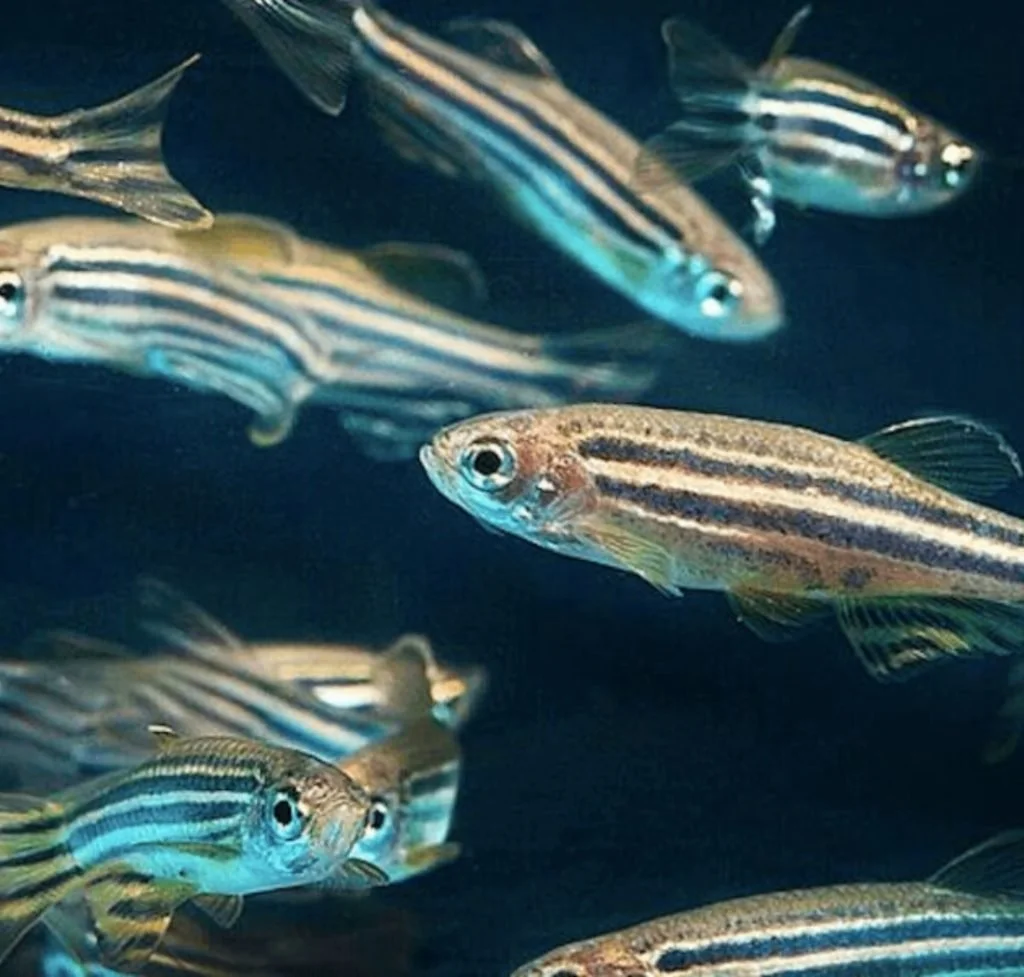
Image by Depositphotos
Why don't they generate as much debate as terrestrial species?
Fish have been perceived as less complex and, therefore, less capable of suffering. Furthermore, they remain the central and most important part of extractive industries such as fishing and aquaculture, thereby perpetuating the notion that they are “products” rather than beings with their own rights and sensations. This perception has been reinforced by the fact that they lack facial expressions or vocalizations audible to humans, which makes it difficult for us to empathize with and interpret their suffering.
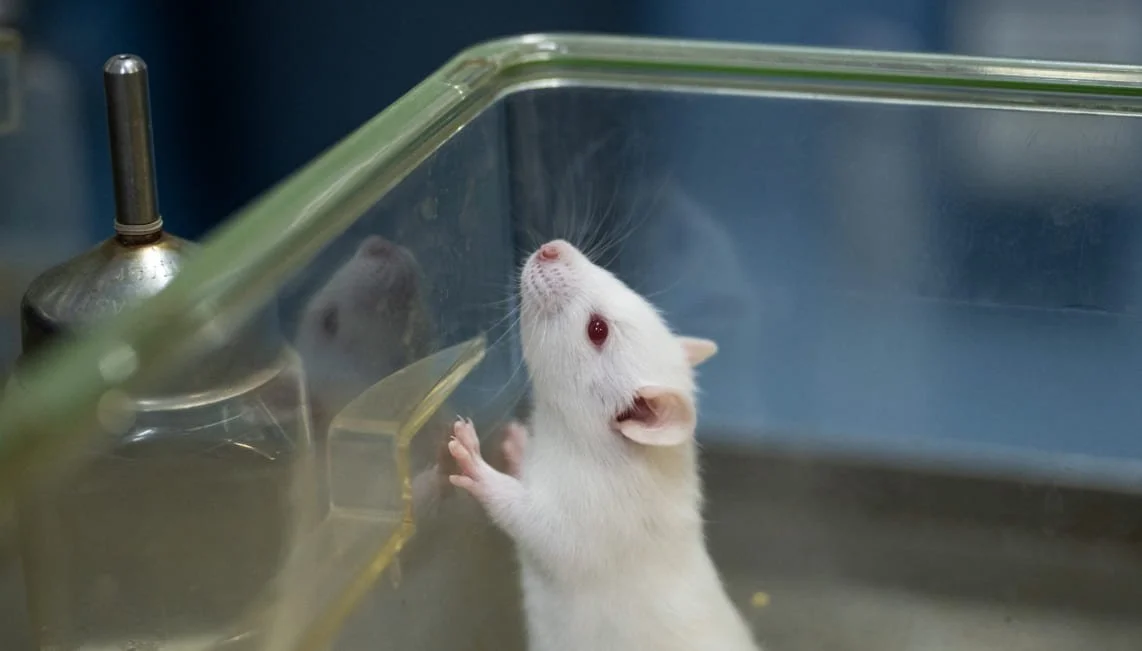
International regulations on the use of animals in research have been much more lenient with regard to fish, allowing their use in experiments that would never be approved for other species. In fact, under the principles of the 3Rs (Replacement, Reduction, and Refinement), they are often mistakenly regarded as a “replacement” model. Fish are beings deserving of moral consideration; substituting fish for mammals is not a true replacement of animal use, but merely a shifting of harm onto individuals who hold a lower value on our anthropocentric scale.
Alternatives to the Use of Zebrafish
The urgent need to reduce the use of animals in scientific research has driven the development of alternative methods. Among these are in vitro models, organs-on-a-chip, and computational modeling have proven to be effective and ethical tools. In vitro models use cell cultures derived from human tissues to study biological processes without resorting to animals. Notable examples include reconstituted human skin models, used for toxicity and corrosion testing. These systems allow for the evaluation of cellular responses in a controlled environment, improving the accuracy of results and reducing reliance on animal testing. On the other hand, organs-on-a-chip combine cell cultures with microfluidic systems to accurately simulate the physiology of human organs. Furthermore, computational modeling (in silico), supported by bioinformatics and artificial intelligence, has made significant advances in predicting the toxicity and efficacy of new compounds.
The implementation of these methods not only promotes research ethics but also improves the quality and relevance of scientific findings. By more faithfully replicating human biology, these techniques yield results that are directly applicable and eliminate the enormous risks associated with extrapolating data across species. In this way, the scientific community is moving toward more responsible and effective practices.
All sentient beings deserve respect
The overwhelming evidence regarding fish’s capacity to experience pain compels us to reconsider how they are treated in laboratories. Education plays a crucial role in this process by promoting a deeper understanding of animal sentience and fostering respect for all forms of life. Educational institutions and research centers must incorporate up-to-date knowledge about fish sentience into their programs and prioritize the availability of alternative methods. If the rationale for using zebrafish is their genetic similarity to humans, the logical conclusion is not to use fish instead of mice, but to use models based on human cells that directly replicate that biology. Likewise, it is essential that policies and regulations be updated to reflect these advances, ensuring the ethical treatment of all animals used in science.
Respect for fish is not only a moral obligation but also an opportunity to improve the quality and rigor of biomedical research, moving toward a future where science and compassion finally go hand in hand.
Support the advancement of animal-free science here.
Bibliography:
Bailone, R.L., Fukushima, H.C.S., Ventura Fernandes, B., et al. (2020). Zebrafish as an alternative animal model in human and animal vaccination research. Lab Anim Res, 36, 13. https://doi.org/10.1186/s42826-020-00042-4
Bambino, K., & Chu, J. (2017). Zebrafish in Toxicology and Environmental Health. Current Topics in Developmental Biology, 124, 331–367. https://doi.org/10.1016/bs.ctdb.2016.10.007
Braithwaite, V. A., & Boulcott, P. (2007). Pain perception, aversion, and fear in fish. Diseases of Aquatic Organisms, 75(2), 131–138. https://doi.org/10.3354/dao075131
Choi, TY., Choi, TI., Lee, YR., et al. (2021). Zebrafish as an animal model for biomedical research. Exp Mol Med, 53, 310–317. https://doi.org/10.1038/s12276-021-00571-5
Ciliberti, R., Alfano, L., & Petralia, P. (2024). Ethics in aquaculture: animal welfare and environmental sustainability. Journal of Preventive Medicine and Hygiene, 64(4), E443–E447. https://doi.org/10.15167/2421-4248/jpmh2023.64.4.3136
FAO (2024). FAO Report: Global Fisheries and Aquaculture Production Reaches an All-Time High. Newsroom. https://www.fao.org/newsroom/detail/fao-report-global-fisheries-and-aquaculture-production-reaches-a-new-record-high/es
Grunwald, D., Eisen, J. (2002). Headwaters of the zebrafish — emergence of a new model vertebrate. Nat Rev Genet, 3, 717–724. https://doi.org/10.1038/nrg892
Howe, K., Clark, M., Torroja, C., et al. (2013). The zebrafish reference genome sequence and its relationship to the human genome. Nature, 496, 498–503. https://doi.org/10.1038/nature12111
Khan, F. R., & Alhewairini, S. S. (2018). Zebrafish (Danio rerio) as a Model Organism. IntechOpen. https://www.intechopen.com/chapters/64178
Mason, G. J., & Lavery, J. M. (2022). What Is It Like to Be a Bass? Red Herrings, Fish Pain, and the Study of Animal Sentience. Frontiers in Veterinary Science, 9, 788289. https://doi.org/10.3389/fvets.2022.788289
Mocho, J.-P., & von Krogh, K. (2022). A FELASA Working Group Survey on Fish Species Used for Research, Methods of Euthanasia, Health Monitoring, and Biosecurity in Europe, North America, and Oceania. Biology, 11(9), 1259. https://doi.org/10.3390/biology11091259
Ohnesorge, N., Heinl, C., & Lewejohann, L. (2021). Current Methods to Investigate Nociception and Pain in Zebrafish. Frontiers in Neuroscience, 15, 632634. https://doi.org/10.3389/fnins.2021.632634
Parrish, J. K., Viscido, S. V., & Grünbaum, D. (2002). Self-organized fish schools: an examination of emergent properties. The Biological Bulletin, 202(3), 296–305. https://doi.org/10.2307/1543482
Simonetti, R. B., Marques, L. S., Pedro, D., & Oberst, E. R. (2015). ZEBRAFISH (Danio rerio): The future of animal models in biomedical research. https://doi.org/10.13140/RG.2.1.3130.3520
Sneddon L. U. (2015). Pain in aquatic animals. The Journal of Experimental Biology, 218(Pt. 7), 967–976. https://doi.org/10.1242/jeb.088823
Sneddon L. U. (2019). Evolution of nociception and pain: evidence from fish models. Philosophical Transactions of the Royal Society of London. Series B, Biological Sciences, 374(1785), 20190290. https://doi.org/10.1098/rstb.2019.0290