
Alternative Methods from the OECD
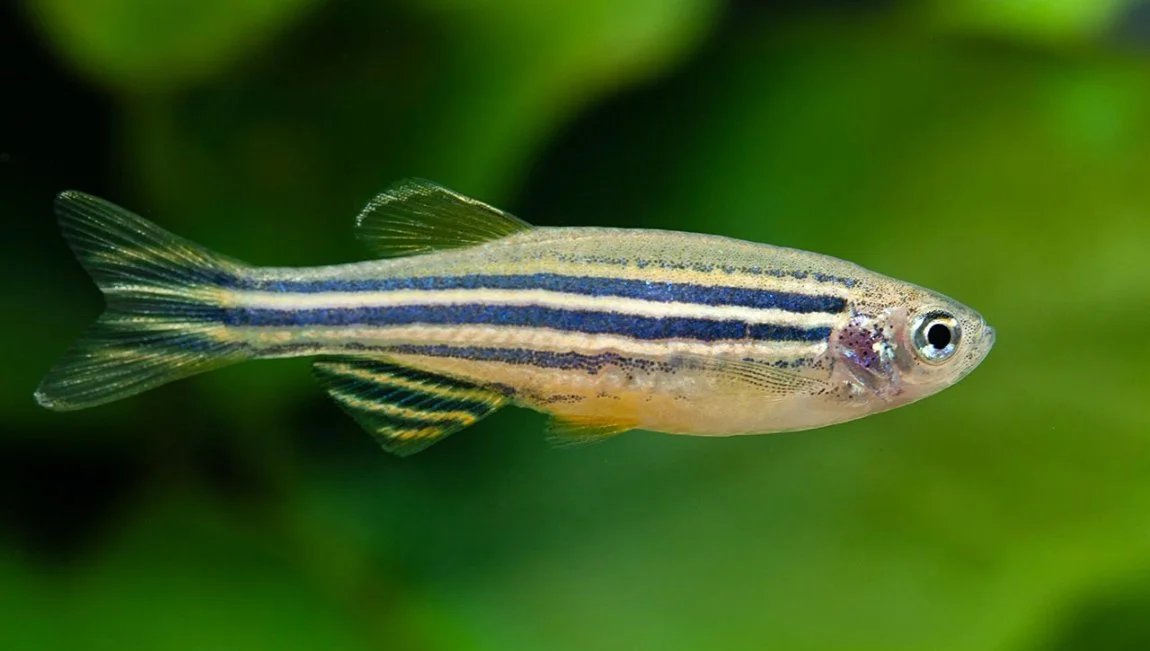
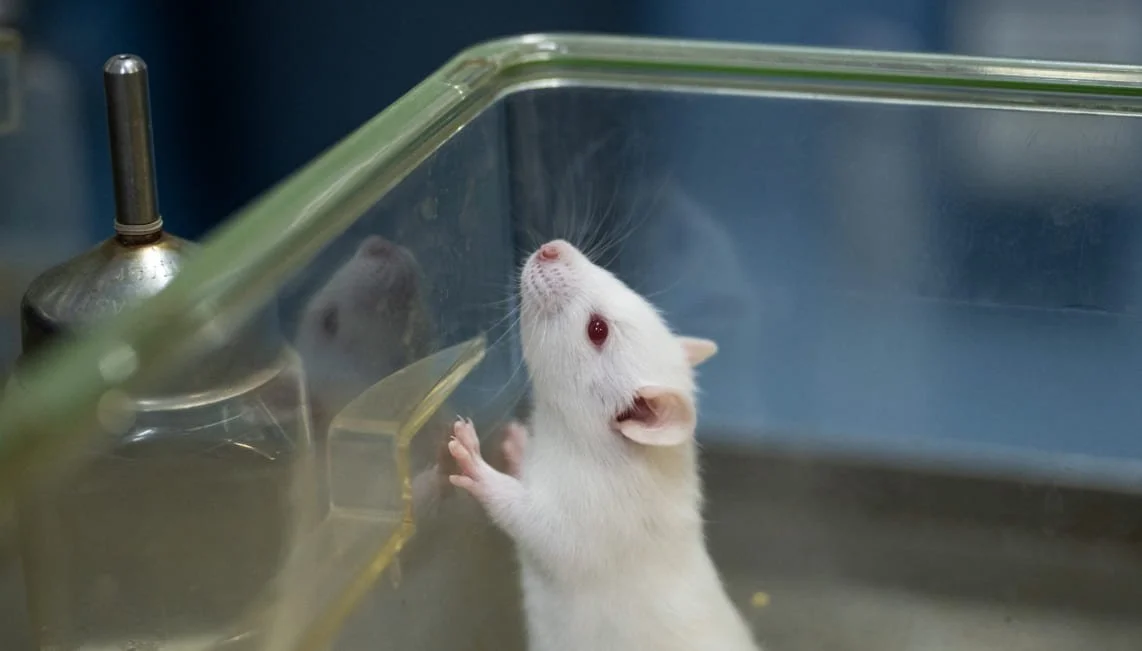
The Organization for Economic Cooperation and Development (OECD) has developed international standards that promote the use of alternative methods to animal testing through globally recognized validation processes.
In this context, it has established guidelines such as the Test Guidelines and Guidance Documents, which allow for the assessment of substance safety without resorting to animals. These guidelines, identified by specific codes, facilitate the adoption of more ethical and scientifically robust approaches to risk assessment.
Its validation involves reproducibility studies and regulatory evaluation. Among the most commonly used methods are in vitro using reconstructed skin models, cell lines, in chemico methods, and in silico tools, which allow for faster and more consistent prediction of biological responses. These methodologies reduce the use of animals and, in many cases, provide more reproducible results than traditional approaches.

Image by Depositphotos
Assessment of Eye and Skin Damage
Traditionally, the assessment of eye and skin irritation has been conducted through animal testing. Currently, there are validated alternatives that use reconstructed human tissue models, such as three-dimensional corneas or skin, allowing for the assessment of irritation or corrosion without resorting to animals.
These models, based on human cells, have demonstrated a high degree of agreement with human biological responses. In addition, complementary tools such as in chemico assays and cellular systems allow for the analysis of processes such as inflammation or the chemical reactivity of substances, improving the accuracy of the results.
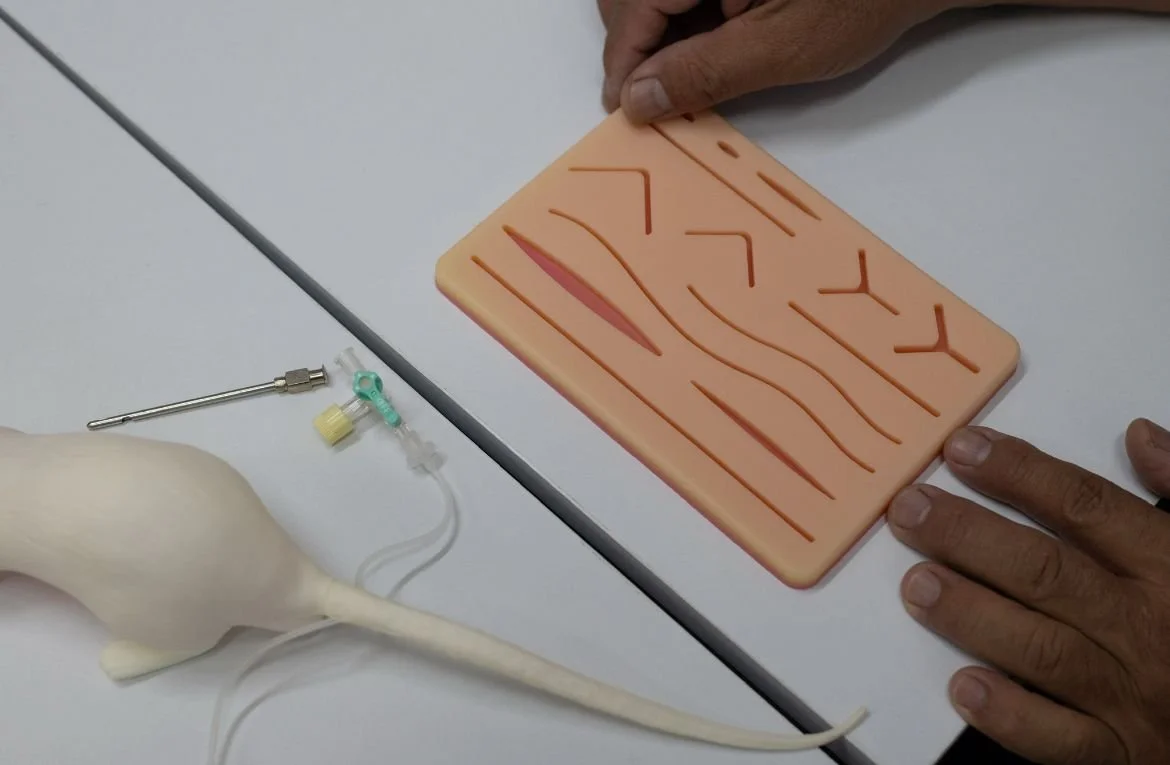
Image by Te Protejo & We Animals
Skin Absorption and Genotoxicity
To analyze how a substance crosses the skin, there are in vitro methods that allow for the measurement of its penetration and distribution without the use of animals. These tools make it easier to estimate potential effects on the body.
With regard to genotoxicity, assays have been developed using cellular systems and predictive models that make it possible to identify damage to genetic material more quickly and in a manner more aligned with human biology.
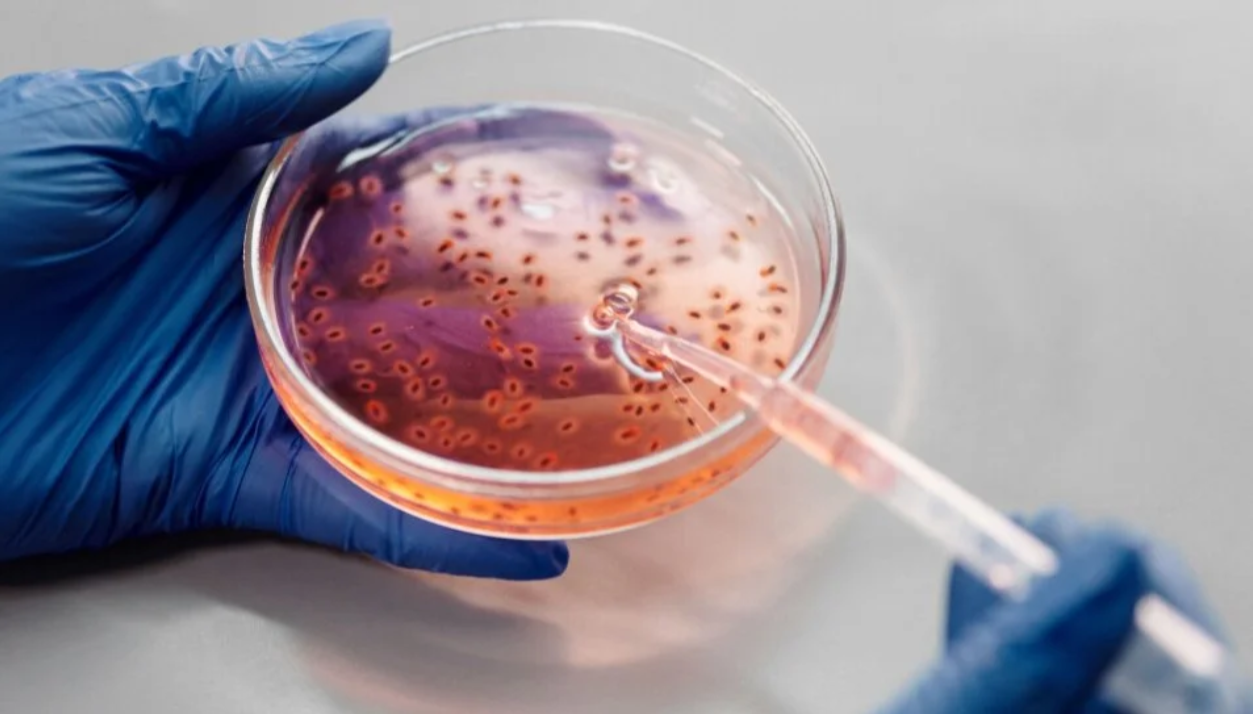
Image by Depositphotos
Carcinogenicity, phototoxicity, and biological interaction
The assessment of carcinogenic potential has evolved toward alternative methods that identify alterations at the cellular and chromosomal levels. In the case of phototoxicity, there are tests that detect substances that become harmful when exposed to light by analyzing their effects on human cells.
Likewise, tools have been developed to evaluate the interaction of substances with key biological systems. In vitro methods allow for the analysis of immune system responses, while specific assays detect interactions with hormone receptors, contributing to the assessment of potential endocrine disruptions.
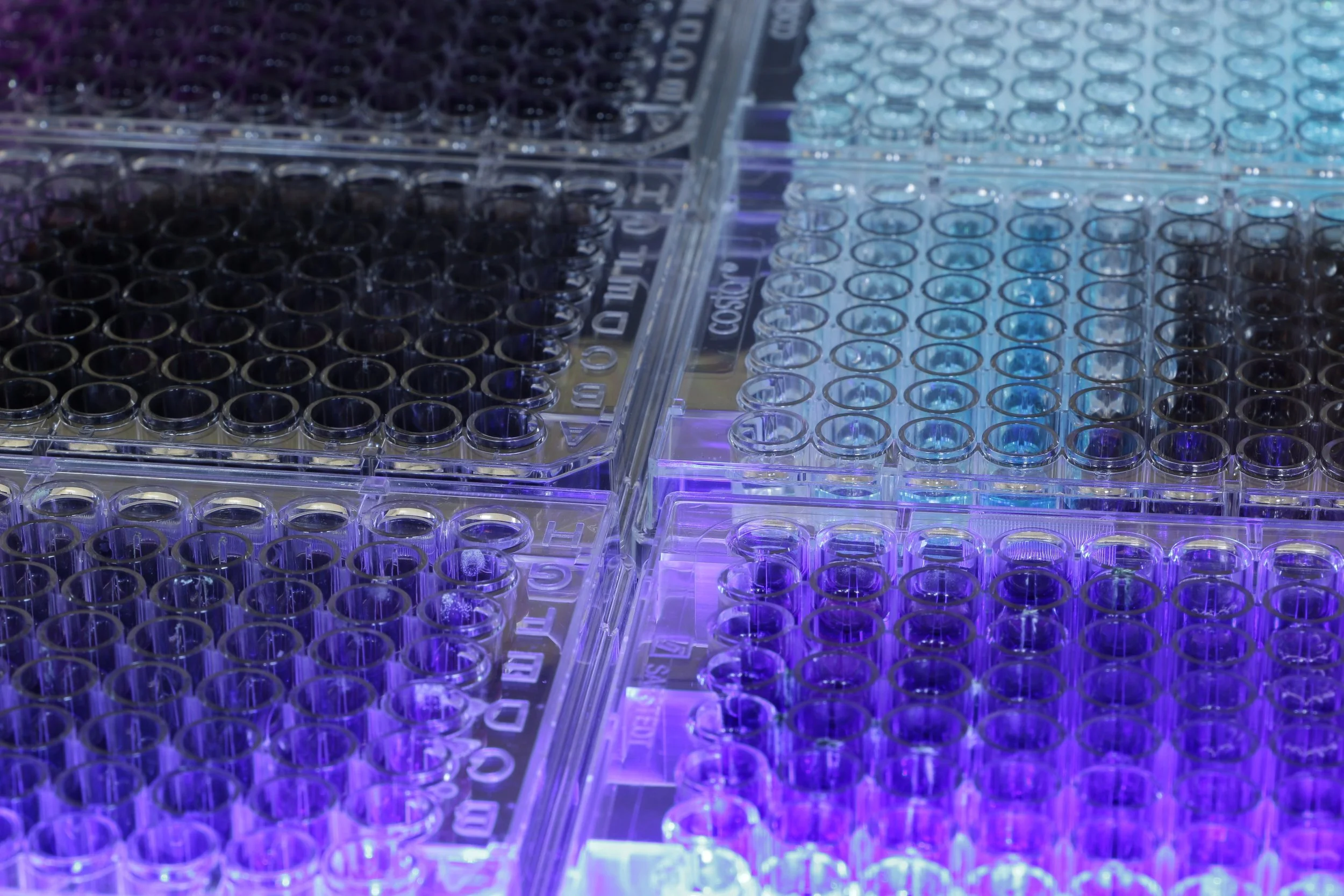
Image by Depositphotos
Environmental Toxicity
Ecotoxicological testing has incorporated alternatives to the use of animals, such as tests using algae and predictive models based on the chemical structure of substances. These tools make it possible to estimate effects on aquatic ecosystems more efficiently, reducing the use of animals and improving the availability of information.
The validation of these methods has demonstrated that it is possible to obtain reliable and reproducible results, optimizing time and costs across various industrial sectors.

Progress and Challenges
The development of alternative methods demonstrates that it is possible to move toward a more ethical science without compromising the quality of the results. However, their adoption still requires greater support, especially in terms of funding, infrastructure, and training.
Strengthening the implementation of these methods requires not only scientific advances but also regulatory frameworks that promote their adoption. Understanding the proposals and progress in this area helps us understand how to move toward evaluation models that do not use animals.
Bibliography
OECD Guidelines for the Testing of Chemicals / Section 3: Degradation and Accumulation. Revised Introduction to the OECD Guidelines for the Testing of Chemicals, Section 3. (2006). United States: OECD Publishing.
Park, G., Rim, Y. A., Sohn, Y., Nam, Y., & Ju, J. H. (2024). Replacing Animal Testing with Stem Cell Organoids: Advantages and Limitations. Stem Cell Reviews and Reports, 20(6), 1375–1386. https://doi.org/10.1007/s12015-024-10723-5
INTERAGENCY COORDINATING COMMITTEE FOR THE VALIDATION OF ALTERNATIVE METHODS. (2018). A Strategic Guide to Establishing New Approaches for Assessing the Safety of Chemicals and Medical Products in the United States. https://ntp.niehs.nih.gov/sites/default/files/iccvam/docs/roadmap/iccvam_roadmap_es-mx-508.pdf
MatTek Company. (November 28, 2015). EpiOcular In Vitro 3D Tissues | MatTek Life Sciences. MatTek Life Sciences. https://www.mattek.com/mattekproduct/epiocular/
Lim, S. E., Ha, S. J., Jang, W. H., Jung, K. M., Jung, M. S., Yeo, K. W., Kim, J. S., Jeong, T. C., Kang, M. J., Kim, S. Y., Lee, S. H., Ko, K. Y., Kim, T. S., Park, K. S., Bae, S., & Lim, K. M. (2019). Me-too validation study for an in vitro eye irritation test using 3D-reconstructed human corneal epithelium, MCTT HCETM. Toxicology in vitro: an international journal published in association with BIBRA, 55, 173–184. https://doi.org/10.1016/j.tiv.2018.12.003
J TEC. (2017). Cultured Human Tissue for Research Use: LabCyte EPI-MODEL | Japan Tissue Engineering Co., Ltd. (J-TEC). Www.jpte.co.jp. https://www.jpte.co.jp/en/business/LabCyte/epi-model/index.html
L'Oréal. (2022). SkinEthic RHE Reconstructed Human Epidermis. www.episkin.com. https://www.episkin.com/SkinEthic-RHE
Pilar, M., & Martinez-Hidalgo, V. (2021). -Hidalgo This work is licensed under a Creative Commons Attribution-NonCommercial-NoDerivatives 4.0 International License DOSSIER: BIOETHICS AND NON-HUMAN ANIMALS IN RESEARCH Are there alternatives to animal experimentation? Are there alternatives to animal experimentation? Are there alternatives to animal experimentation? https://scielo.isciii.es/pdf/bioetica/n51/1886-5887-bioetica-51-00081.pdf
OECD (2023), Test No. 491: Short-Time In Vitro Exposure Test Method for Identifying i) Chemicals That Cause Serious Eye Damage and ii) Chemicals That Do Not Require Classification for Eye Irritation or Serious Eye Damage, OECD Guidelines for the Testing of Chemicals, Section 4, OECD Publishing, Paris, https://doi.org/10.1787/9789264242432-en.
OECD (2021), Test No. 494: Vitrigel-Eye Irritancy Test Method for Identifying Chemicals Not Requiring Classification and Labeling for Eye Irritation or Serious Eye Damage, OECD Guidelines for the Testing of Chemicals, Section 4, OECD Publishing, Paris, https://doi.org/10.1787/9f20068a-en.
(2024). Test Guideline No. 442C: In Vitro Skin Sensitization Assays Addressing the Adverse Outcome Pathway Key Event on Covalent Binding to Proteins, Section 4: Health Effects, OECD/OCDE 442C: OECD GUIDELINE FOR THE TESTING OF CHEMICALS: In Vitro Skin Sensitization Assays Addressing the Adverse Outcome Pathway Key Event on Covalent Binding to Proteins.
OECD (2024), Test No. 442D: In Vitro Skin Sensitization: Assays Addressing the Adverse Outcome Pathway Key Event on Keratinocyte Activation, OECD Guidelines for the Testing of Chemicals, Section 4, OECD Publishing, Paris, https://doi.org/10.1787/9789264229822-en.
OECD (2024), Test No. 442E: In Vitro Skin Sensitization: In Vitro Skin Sensitization Assays Addressing the Key Event of Dendritic Cell Activation in the Adverse Outcome Pathway for Skin Sensitization, OECD Guidelines for the Testing of Chemicals, Section 4, OECD Publishing, Paris, https://doi.org/10.1787/9789264264359-en.
De Valoración De Toxicidad, C., De Prueba, M., & Enfoques, Y. (2018). Validated non-animal toxicity testing methods and guidelines. Retrieved from https://www.thepsci.eu/wp-content/uploads/2021/05/2021.05.10-Alternative-Test-Methods_Espanol.pdf
OECD (2019), Test No. 431: In vitro skin corrosion: reconstructed human epidermis (RHE) test method, OECD Guidelines for the Testing of Chemicals, Section 4, OECD Publishing, Paris, https://doi.org/10.1787/9789264264618-en.
Patel, M. R., Verma, R., Patel, M. V., Dalal, V., & Nagane, R. (2017). In vitro skin corrosivity test of proficiency chemicals using the Corrositex® Assay. Toxicology Letters, 280, S158. https://doi.org/10.1016/j.toxlet.2017.07.444
Kojima, H., Ikarashi, Y., Nakada, T., Yagami, A., Sugibayashi, K., Todo, H., Hoshino, Y., Iizuka, N., Nakamura, T., Sekizawa, S., Shinoda, K., Yagi, M., Araki, D., Sakaguchi, H., Sasa, H., & Sugiyama, M. (2018). Guidance on the Use of Alternative Test Methods for the Safety Assessment of Cosmetics and Quasi-drugs. Alternatives to Animal Testing. https://doi.org/10.1007/978-981-13-2447-5_8.
OECD (2015), Test No. 435: In Vitro Membrane Barrier Test Method for Skin Corrosion, OECD Guidelines for the Testing of Chemicals, Section 4, OECD Publishing, Paris, https://doi.org/10.1787/9789264242791-en.
OECD (2004), Test No. 428: Skin Absorption: In Vitro Method, OECD Guidelines for the Testing of Chemicals, Section 4, OECD Publishing, Paris, https://doi.org/10.1787/9789264071087-en.
Guidance for Waiving Acute Dermal Toxicity Tests for Pesticide Formulations and Supporting Retrospective Analysis. (2016). https://www.epa.gov/sites/default/files/2016-11/documents/acute-dermal-toxicity-pesticide-formulations_0.pdf
Joint Research Center: Institute for Health and Consumer Protection, Grune, B., Richmond, J., and Roi, A., *The EURL ECVAM Search Guide – Good Search Practice on Animal Alternatives*, Richmond, J. (editor) and Roi, A. (editor), Publications Office, 2013. https://op.europa.eu/en/publication-detail/-/publication/8835aa05-f780-454a-ac43-7752b38b394e
Mansouri, K. (2019). Collaborative Acute Toxicity Modeling Suite (CATMoS). https://ntp.niehs.nih.gov/sites/default/files/iccvam/meetings/at-wksp-2019/ppt/05-mansouri-508.pdf
Furuhama, A., Kitazawa, A., Yao, J., Matos Dos Santos, C. E., Rathman, J., Yang, C., Ribeiro, J. V., Cross, K., Myatt, G., Raitano, G., Benfenati, E., Jeliazkova, N., Saiakhov, R., Chakravarti, S., Foster, R. S., Bossa, C., Battistelli, C. L., Benigni, R., Sawada, T., Wasada, H., … Honma, M. (2023). Evaluation of QSAR models for predicting mutagenicity: outcome of the Second Ames/QSAR international challenge project. SAR and QSAR in Environmental Research, 34(12), 983–1001. https://doi.org/10.1080/1062936X.2023.2284902
OECD (2020), Test No. 471: Bacterial Reverse Mutation Test, OECD Guidelines for the Testing of Chemicals, Section 4, OECD Publishing, Paris, https://doi.org/10.1787/9789264071247-en.
OECD (2016), Test No. 476: In Vitro Mammalian Cell Gene Mutation Tests Using the Hprt and xprt Genes, OECD Guidelines for the Testing of Chemicals, Section 4, OECD Publishing, Paris, https://doi.org/10.1787/9789264264809-en.
OECD (2016), Test No. 473: In Vitro Mammalian Chromosomal Aberration Test, OECD Guidelines for the Testing of Chemicals, Section 4, OECD Publishing, Paris, https://doi.org/10.1787/9789264264649-en.
OECD (2019), Test No. 495: ROS (Reactive Oxygen Species) Assay for Photoreactivity, OECD Guidelines for the Testing of Chemicals, Section 4, OECD Publishing, Paris, https://doi.org/10.1787/915e00ac-en.
(2023). Test Guideline No. 444A: In Vitro Immunotoxicity—IL-2 Luc Assay, Section 4: Health Effects.
OECD (2021), Test No. 455: Performance-Based Test Guideline for Stably Transfected In Vitro Transactivation Assays to Detect Estrogen Receptor Agonists and Antagonists, OECD Guidelines for the Testing of Chemicals, Section 4, OECD Publishing, Paris, https://doi.org/10.1787/9789264265295-en.
OECD (2023), Test No. 458: Stably Transfected Human Androgen Receptor Transcriptional Activation Assay for the Detection of Androgenic Agonist and Antagonist Activity of Chemicals, OECD Guidelines for the Testing of Chemicals, Section 4, OECD Publishing, Paris, https://doi.org/10.1787/9789264264366-en.
OECD (2023), Test No. 456: H295R Steroidogenesis Assay, OECD Guidelines for the Testing of Chemicals, Section 4, OECD Publishing, Paris, https://doi.org/10.1787/9789264122642-en.
OECD (2024), Test No. 493: Performance-Based Test Guideline for Human Recombinant Estrogen Receptor (hrER) In Vitro Assays to Detect Chemicals with ER Binding Affinity, OECD Guidelines for the Testing of Chemicals, Section 4, OECD Publishing, Paris, https://doi.org/10.1787/9789264242623-en.
QSAR Toolbox. (2018). QSAR Toolbox. https://qsartoolbox.org/
OECD (2011), Test No. 201: Freshwater Algae and Cyanobacteria, Growth Inhibition Test, OECD Guidelines for the Testing of Chemicals, Section 2, OECD Publishing, Paris, https://doi.org/10.1787/9789264069923-en