Challenging the Bias Toward the Animal Model
Despite the development of innovative scientific methods that do not use animals, there remains a preference for traditional models in research. This bias hinders the adoption of more ethical alternatives and limits progress toward more up-to-date scientific practices.
Globally, there are laws and policies that promote the reduction and replacement of animal use, based both on ethical considerations and on the limitations of these models in representing human biology. At the same time, approaches have emerged that use human cells, data, and systems to replicate complex physiological processes, establishing themselves as increasingly effective tools in drug research and development.
However, adoption has been slower than expected. One of the main barriers is a bias toward traditional methods, which favors the use of animals even when alternatives are available. This preference can influence project evaluations and discourage the implementation of new approaches.
Preclinical methods and animal-free alternatives
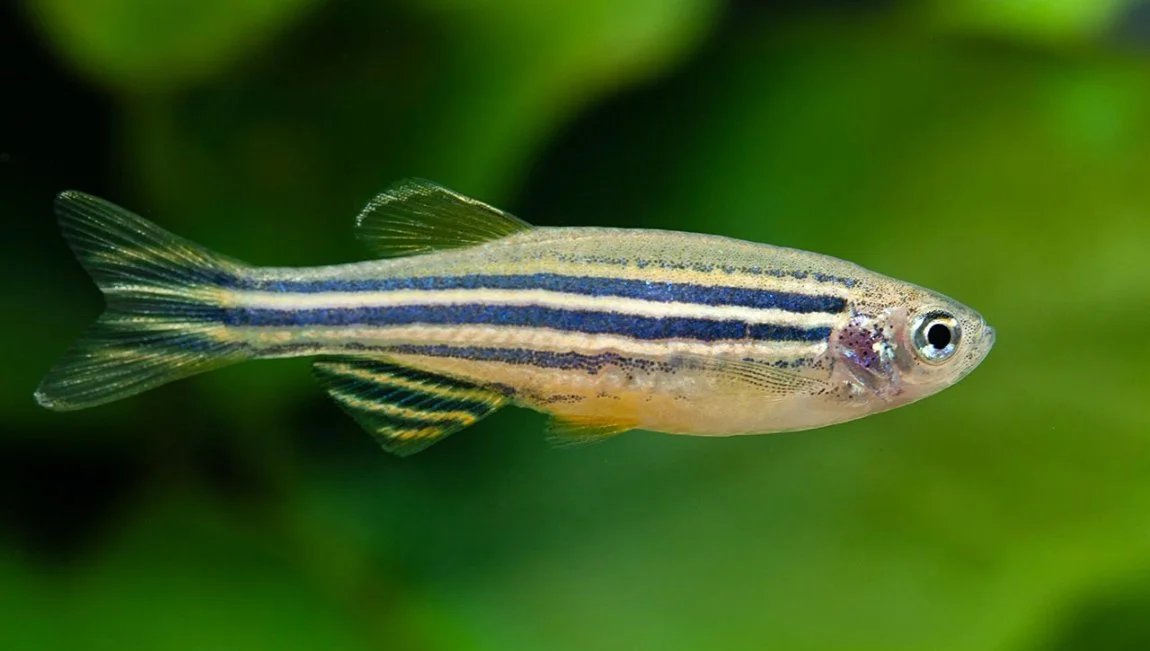
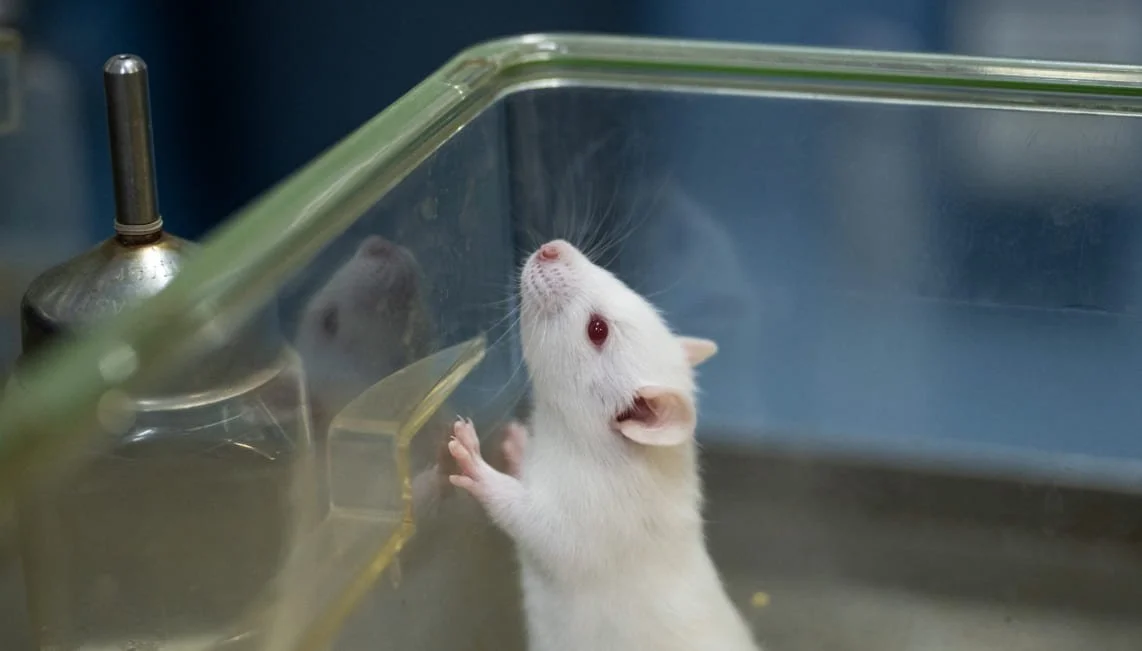
Preclinical studies have traditionally been conducted using animals in basic and applied research. However, various regulations stipulate that these methods must be replaced when alternatives exist, while also promoting their reduction and refinement under the 3Rs principle.
Animal testing often involves high costs, long lead times, and results that are not always applicable to humans, which is reflected in the high failure rates in clinical trials. In this context, there has been growing interest in more predictive methods based on human systems.
In recent years, in vitro and in silico models have gained prominence due to their ability to evaluate biological processes without resorting to the use of animals. Among these advances, organoids, organ-on-a-chip systems, and induced pluripotent stem cells stand out, as they allow for the simulation of human body functions under controlled conditions.
Despite their potential, these approaches face technical and economic challenges, such as high upfront costs and implementation difficulties. Their adoption also depends on the validation of the models and on best practices that ensure reproducible results.
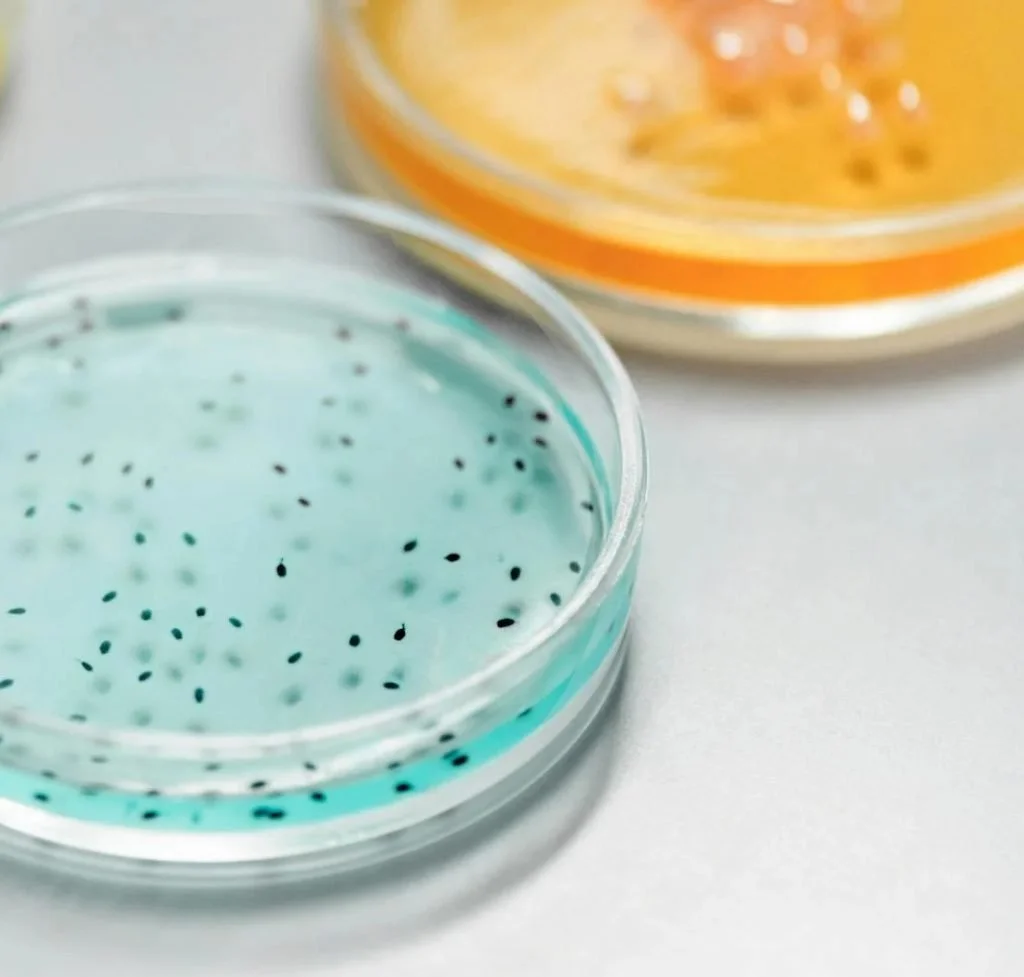
Image by Depositphotos
Bias in Scientific Research and Publication
Scientific publication is key to the advancement of medicine, but it is not free from bias. One such bias is publication bias, which occurs when the likelihood of a study being published depends on its results. Added to this is a less-explored phenomenon: a preference for animal studies over non-animal approaches.
This bias arises when traditional methods are considered the standard, even when suitable alternatives exist. It can affect the evaluation of articles, delay publications, and limit funding for projects based on non-animal methods.
A survey of researchers and peer reviewers revealed that some studies include animal experiments solely to meet editorial requirements, even when they are not considered necessary. In addition, several participants noted that these requests stem more from custom than from scientific necessity.
Among the identified consequences are the conduct of unnecessary experiments, delays in publication, and disincentives to use alternative methods. It was also observed that a lack of awareness of these alternatives influences the preference for animal models.
How to Move Toward More Up-to-Date Research
In 2022, an international virtual workshop was held to address this issue, bringing together researchers, publishers, government representatives, and other stakeholders in the scientific community. Among the main barriers identified were pressure to publish, the importance of the impact factor, financial interests, and the perception of animals as the norm in research.
The report also highlighted the lack of knowledge about alternative methods and the need to strengthen their teaching and dissemination. Recommendations include raising awareness among the scientific community, improving the training of reviewers, promoting the critical evaluation of applications for animal experiments, and prioritizing funding for methods based on human biology.
Following this meeting, initiatives were launched to continue addressing this bias, generating evidence and tools to facilitate the transition toward more ethical and accurate approaches.
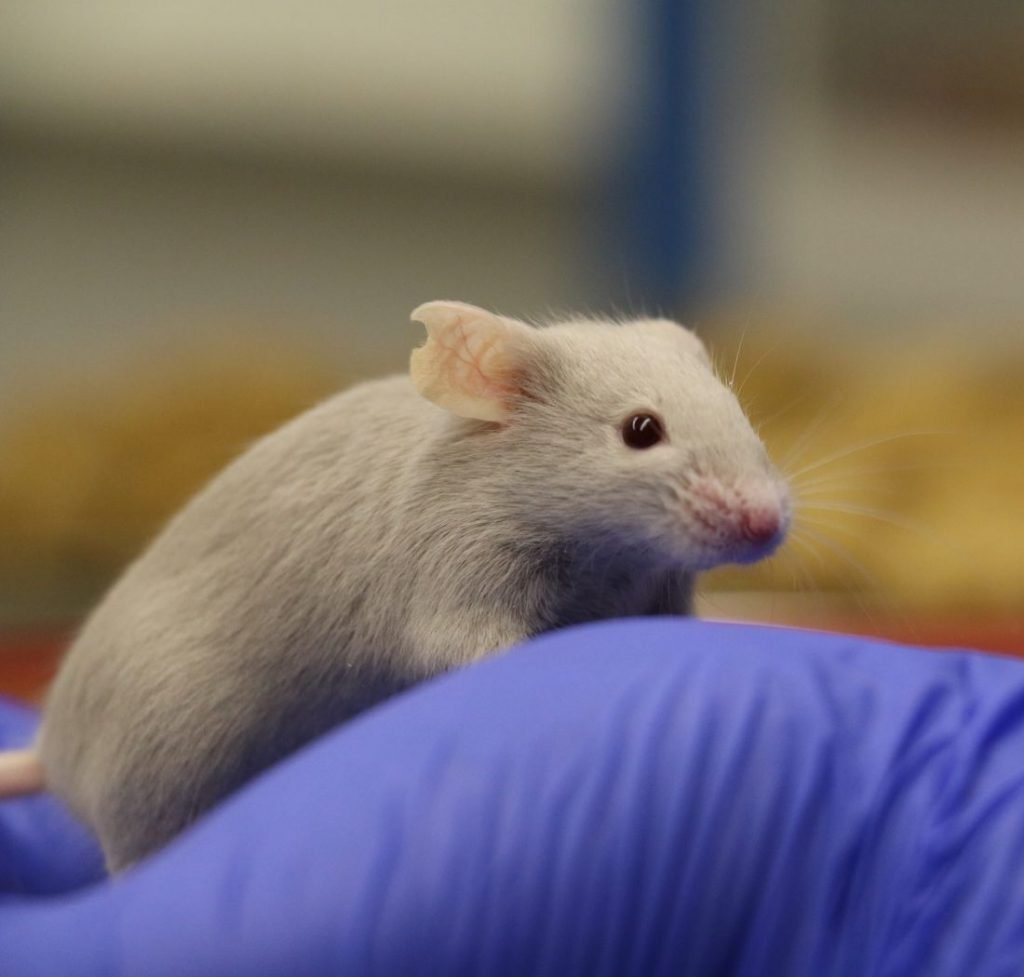
Image by Depositphotos
It's up to us
Research methods that do not rely on animals offer great potential for advancing biomedicine and drug development. However, their adoption still faces barriers within the scientific community.
Overcoming the bias toward animal models requires strengthening training, improving evaluation systems, and creating conditions that promote the implementation of alternatives. It also involves recognizing the roles of various stakeholders, including researchers, funders, and public policymakers.
The public also plays an important role, as its decisions can influence the market and research priorities. Promoting greater awareness of these issues helps move toward practices that are more responsible and aligned with current challenges. Understanding how changes in public policy and regulation are being driven allows us to grasp the role that institutional decisions can play in the adoption of animal-free methods; review the progress and proposals aimed at strengthening these approaches.