
Which animals are most commonly used in research?
Scientific research has historically relied on the use of animals on the premise that they can serve as models for human biological processes, particularly in the evaluation of medical treatments and potentially toxic substances. But which animals are used most often?
Among them, rodents stand out due to their well-characterized genome, ease of handling, and rapid reproduction, which make them one of the most widely used models for studying complex diseases. Birds and fish are also used in studies of genetics and embryonic development, as are nematodes and amphibians. In addition to these species, rabbits and pigs are used in immunology and transplant technologies due to their physiological similarities to humans. This use has sparked ongoing ethical debates, both regarding the limitations of extrapolating results and the welfare of the animals involved.
When did animal testing begin?
The earliest evidence of vivisection dates back to ancient Greece, with figures such as Aristotle and Galen. Over the centuries, the practice became systematized and spread to fields such as biomedicine. In the 17th century, René Descartes argued that animals were incapable of feeling pain, which helped justify their use for a long time. In the following century, advances in physiology and medicine began to be validated through animal testing, such as the experiments conducted by Louis Pasteur in the development of immunization.
Subsequently, legislation on animal cruelty was passed in the United Kingdom, and organizations such as the National Anti-Vivisection Society emerged. Between the 1950s and the 1970s, public criticism of these practices grew. Despite this, transgenic animals were developed in the 1980s, and 1996 marked one of the most controversial milestones with the cloning of Dolly the sheep.
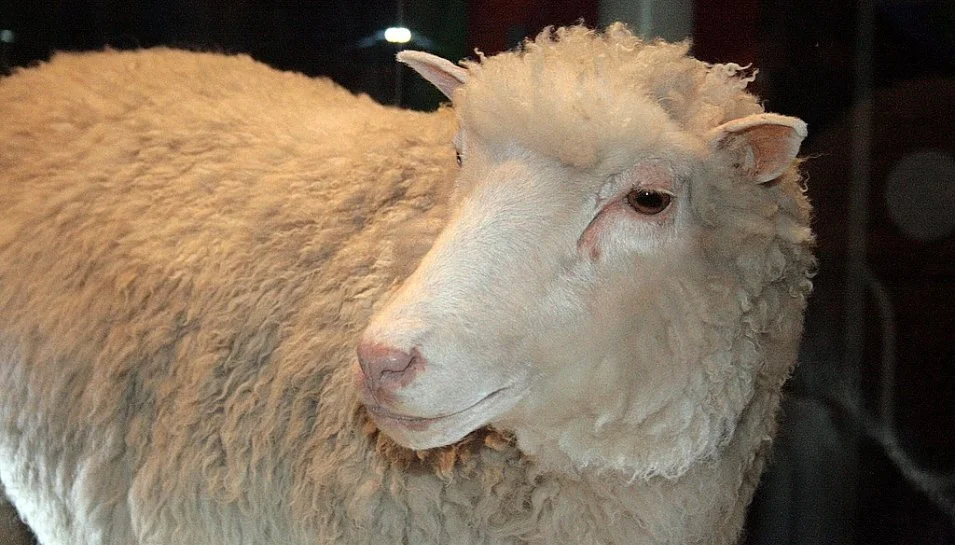
Image by Depositphotos
Why are animals still used?
The use of animals in research is based on ethical, biological, and practical considerations, in accordance with the 3R principles and regulations that seek to balance scientific progress with the reduction of suffering. In theory, it is justified only when there are no viable alternatives, such as computational or cellular models.
The choice of species depends on its biological characteristics and the objectives of the study. In this context, it is recommended to avoid using species with greater cognitive abilities, replacing them with others that, although they respond to harmful stimuli, are believed to experience pain differently. However, this criterion raises a persistent ethical debate: whether a difference in the perception of pain is sufficient to justify the use of animals in research.
Most Commonly Used Models
Mice and Rats:
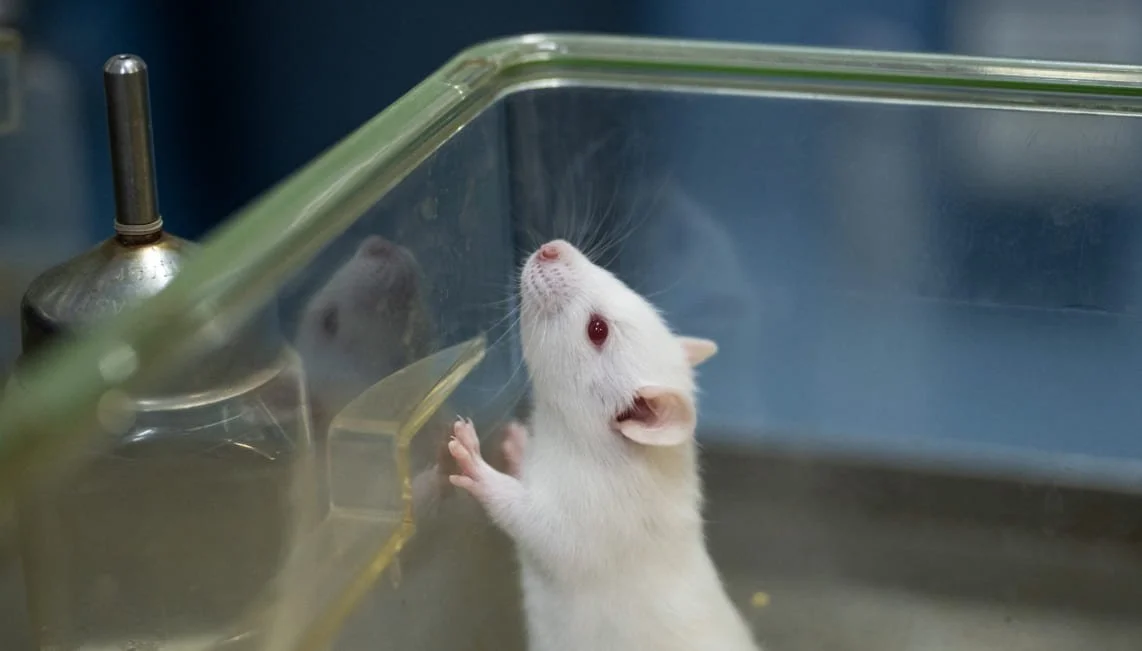
Mice (Mus musculus) and rats (Rattus norvegicus) are the species most commonly used in biomedical research, accounting for an estimated 70% or more of the animals used worldwide. They are used because of their small size, rapid reproduction, ease of handling, and the fact that their genome is well understood and can be manipulated. They have been genetically modified for decades to study diseases such as cancer, diabetes, and neurodegenerative disorders.
Rats, on the other hand, differ evolutionarily from mice and have a physiology more similar to that of humans in aspects such as the cardiovascular and neurological systems. In addition, they allow for more precise physiological monitoring and facilitate procedures such as surgery and drug administration.
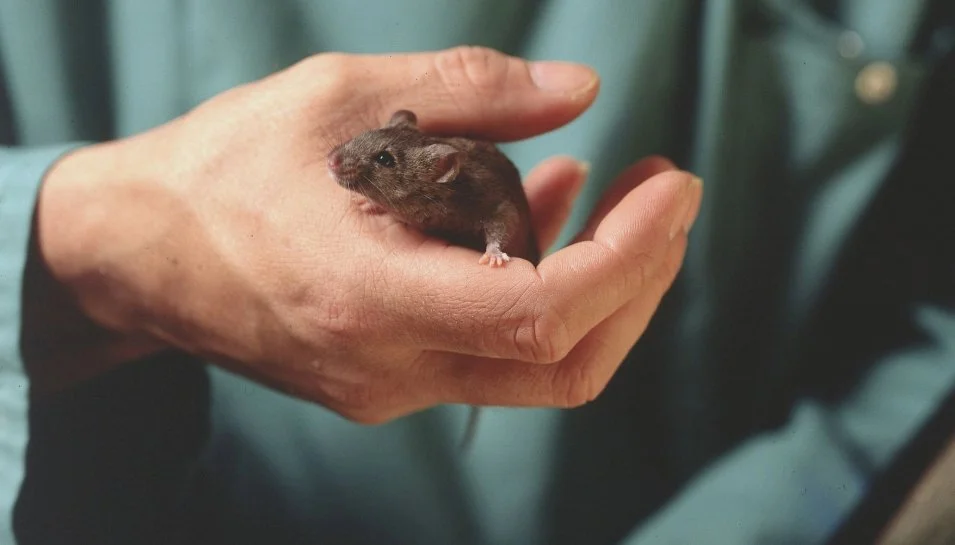
Image by Depositphotos
Rabbits:
Rabbits (Oryctolagus cuniculus) are used in toxicology and safety studies, particularly because of the characteristics of their ocular physiology, as well as in research on immunity and antibody production for vaccines. They have also been used in cardiology and laser surgery studies.
In recent decades, its use has declined due to social pressure and the development of alternative methods, such as eye organoids and other experimental models.
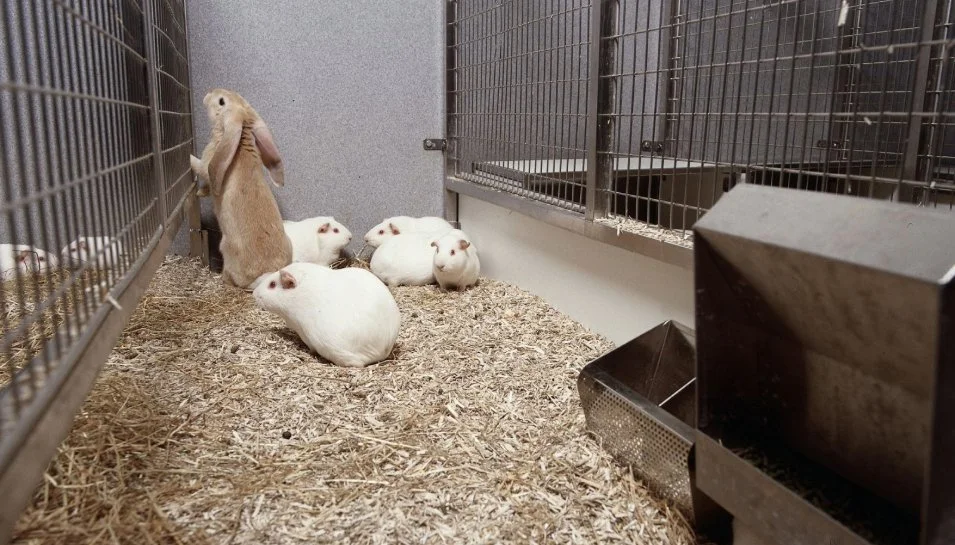
Image by Depositphotos
Birds:
Birds, particularly chickens (Gallus gallus), are used because of their well-defined brain structure and their ability to learn. Their eggs are also used as bioreactors to produce proteins of interest to humans. In addition, they have been genetically modified to increase their resistance to disease and improve their productive efficiency. Other species, such as Taeniopygia guttata (the zebra finch), are used in studies of speech disorders associated with genetic mutations.
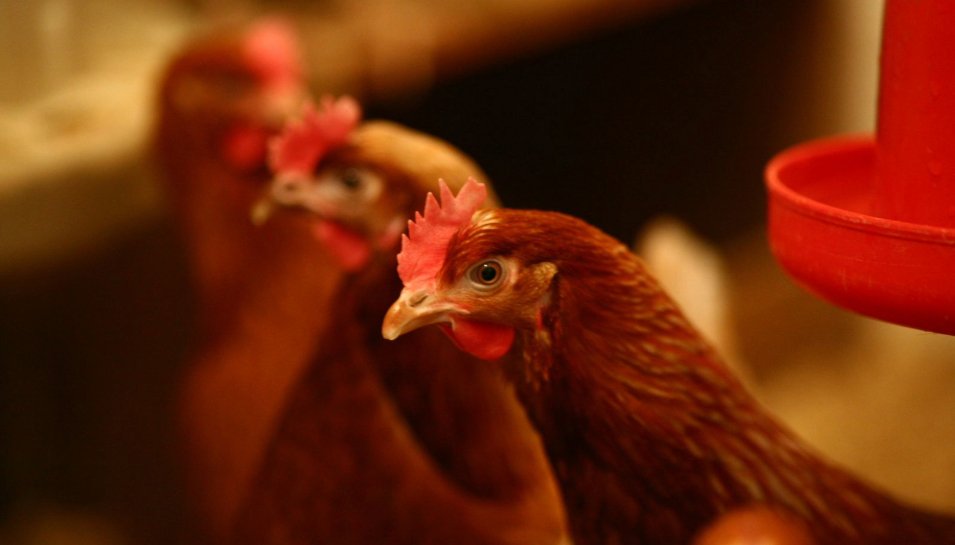
Image by Depositphotos
Pigs:
Pigs have become important in research because of their physiological similarities to humans. They are used in studies focused on protein production and organ development through gene editing, with the goal of advancing treatments and transplants.
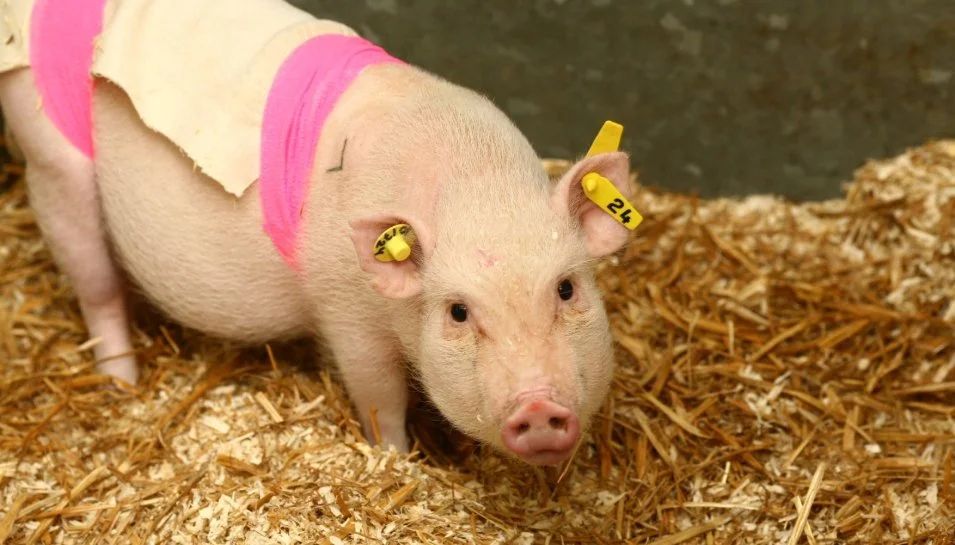
Image by Depositphotos
Fish:
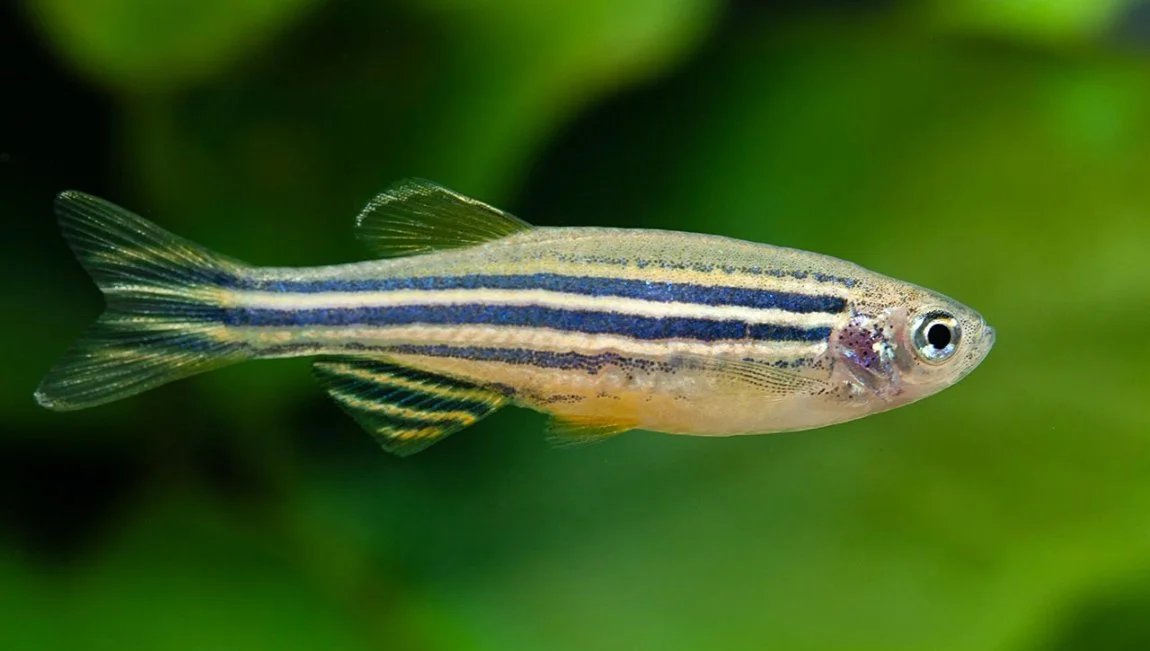
The zebrafish is one of the most widely used model organisms because of its external fertilization and rapid, transparent embryonic development, which allows for the observation of biological processes in real time. It shares genetic similarities with humans, which is why it is used in studies of cardiovascular and neuromuscular diseases, as well as mutagenesis.
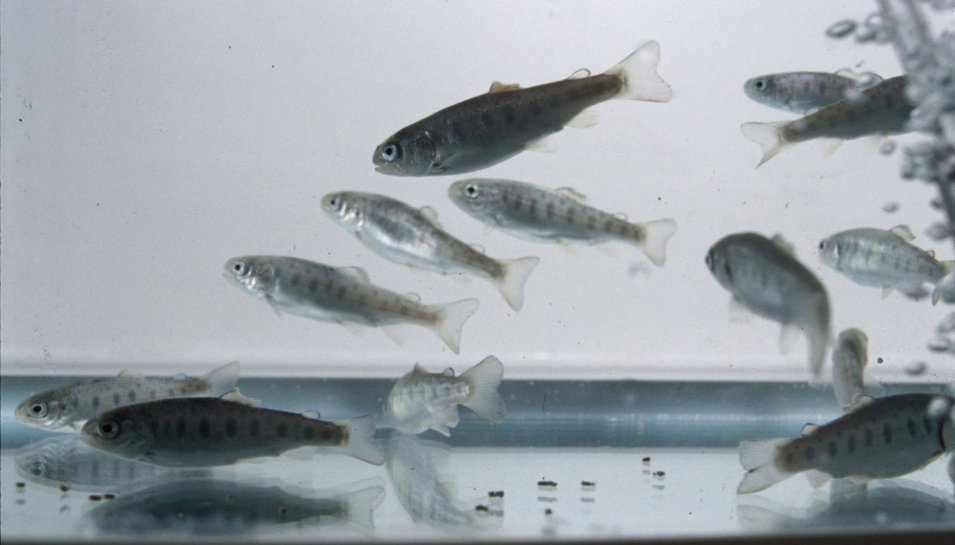
Image by Depositphotos
Fruit fly:
The fruit fly (Drosophila melanogaster) is one of the oldest and most widely used model organisms in genetic studies. Its short life cycle, ease of cultivation, and genetic similarity to humans have made it a popular choice for research on embryonic development, the nervous system, and behavior.
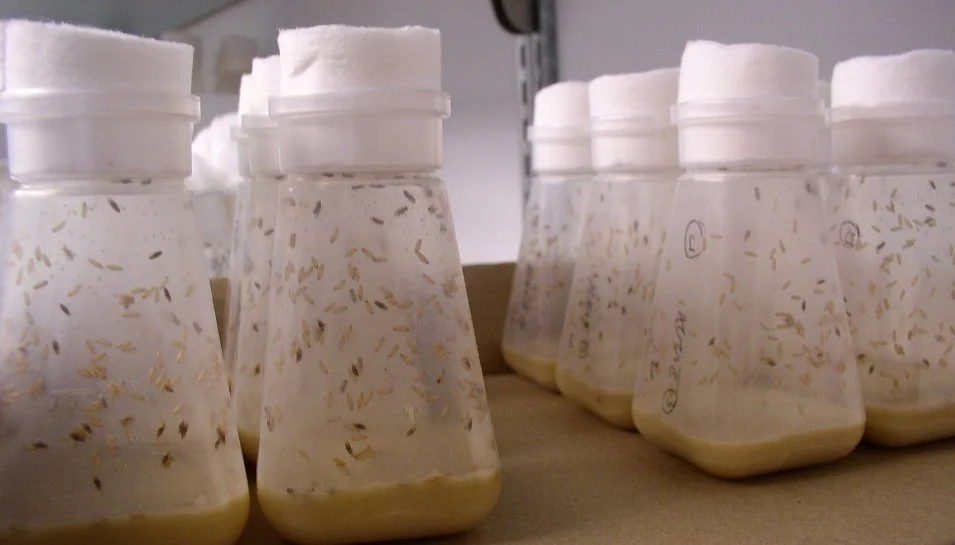
Image by Depositphotos
Wax moth:
The wax moth (Galleria mellonella) has been used in studies of the immune system, toxicology, and infections. Its immune response is observed through melanization: the darker the larva becomes, the more advanced the infection. Cocoon formation can also be affected by the presence of pathogens or genetic alterations. Although its use has declined, it remains of biotechnological interest due to its ability to degrade polyethylene.
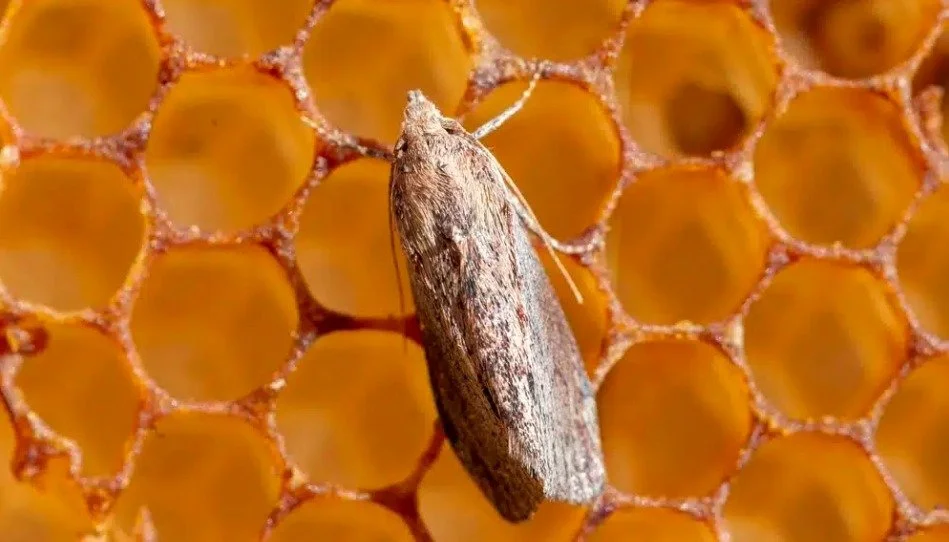
Image by Depositphotos
Nematodes:
Caenorhabditis elegans was the first multicellular organism to have its genome fully sequenced. Its short life cycle, ease of handling, and genetic similarity to other organisms make it a widely used model organism. Its transparency and well-characterized nervous system allow it to be used in studies of aging, diabetes, and developmental genetics.
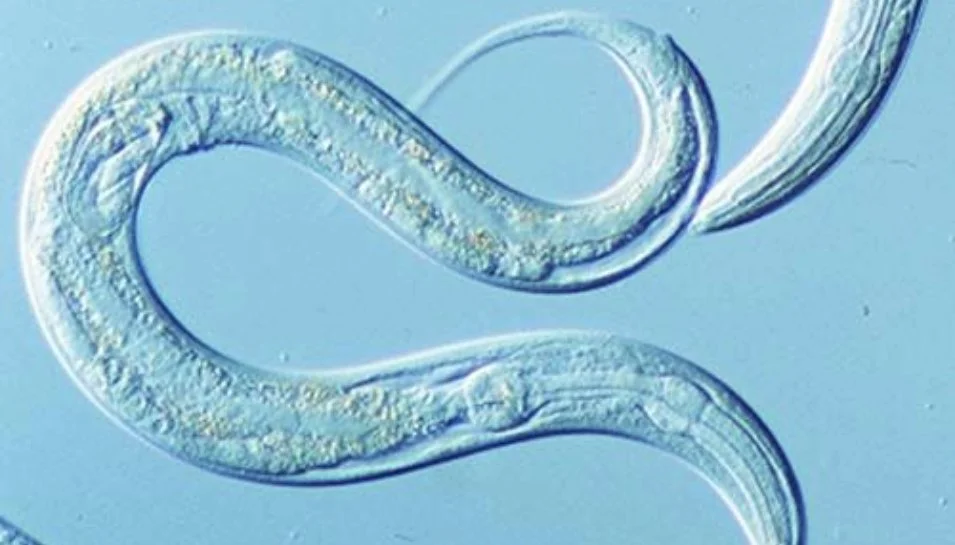
Image by Depositphotos
Amphibians:
The African clawed frog (Xenopus laevis) is a key model organism in developmental biology, used in embryology and genetics studies because of its ability to produce numerous eggs and the ease with which microinjections can be performed. Its cell extracts are also used in research on cell division, replication, and apoptosis.
Other species, such as the American bullfrog (Rana catesbeiana), are used in studies of physiology, toxicology, and metabolic adaptation. Salamanders, such as Ambystoma maculatum, are notable for their regenerative capacity, which allows for research into tissue repair and limb regeneration. Other species are also used to study adaptation and resistance to environmental stress.
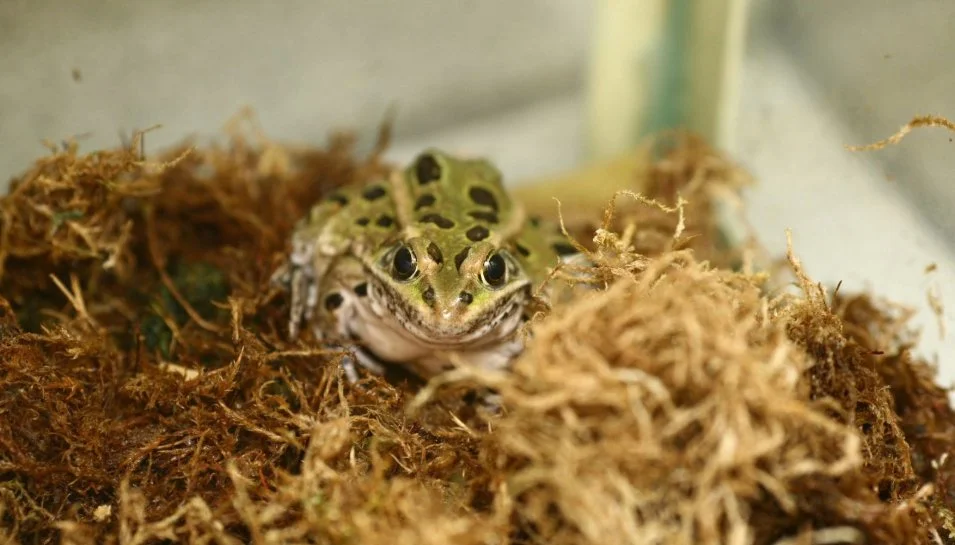
Image by Depositphotos
Nonhuman primates:
Nonhuman primates have central nervous systems similar to those of humans, with high cognitive and emotional capacity. These characteristics raise more complex ethical dilemmas, since their suffering and perception of pain are considered comparable.
For this reason, its use is subject to stricter regulations and is limited to cases where no alternatives exist, primarily in neuroscience research and in the development of vaccines against high-impact diseases, as was the case during the COVID-19 pandemic.
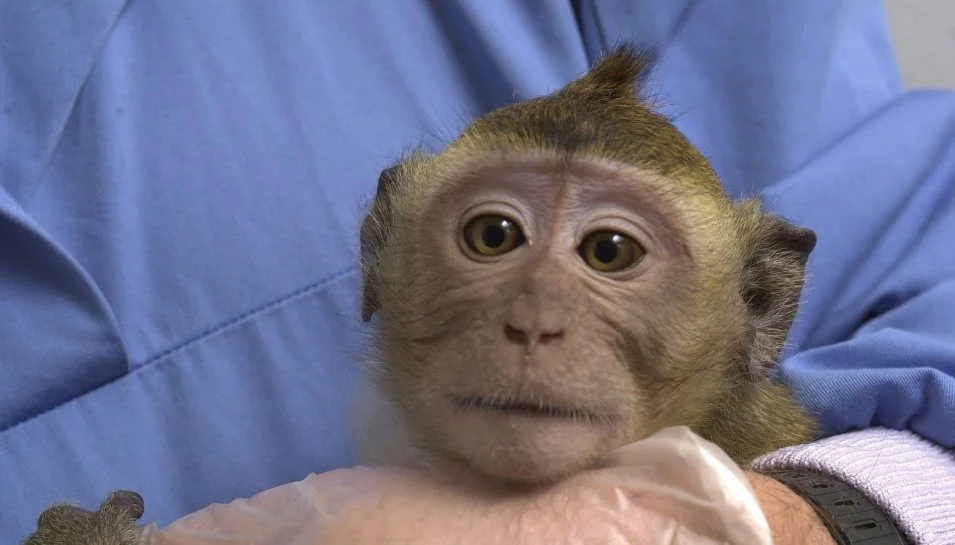
Image by Depositphotos
Key Observations
From an ethical perspective, it is questioned whether animal suffering is an acceptable cost for scientific progress, especially given animals’ capacity to experience pain and emotions. Despite the 3R principles, concerns persist regarding the diversity of species used and the limitations of their regulation. The choice of species is often influenced by ease of handling, physiological similarities to humans, and the perception that organisms with less complex nervous systems suffer less, which has favored the use of fish, birds, and insects over mammals.
From a scientific standpoint, although animal models have been key to numerous advances, their use has limitations. In drug development, many compounds that pass the preclinical phase in animals do not yield successful results in humans, due to biological differences that make it difficult to extrapolate the data.
In this context, the Food and Drug Administration has introduced new guidelines to reduce the use of animals in preclinical stages, promoting alternatives such as cell cultures and computational models, which offer greater accuracy and applicability. However, this transition requires not only technological advances but also cultural and regulatory changes that prioritize respect for animals used in research.
Explore new technologies that are advancing toward the replace animals in science.
Bibliography:
Franco, N. H. (2013). Animal Experiments in Biomedical Research: A Historical Perspective. Animals, 3(1), 238–273. https://doi.org/10.3390/ani3010238.
Baumans, V. (2004). “Use of animals in experimental research: an ethical dilemma?” *Gene Therapy*, 11, Suppl. 1, S64–S66. https://doi.org/10.1038/sj.gt.3302371.
Lieschke, G. J., & Currie, P. D. (2007). Animal models of human disease: zebrafish swim into view. *Nature Reviews Genetics*, 8(5), 353–367. https://doi.org/10.1038/nrg2091. Swindle, M. M., Makin, A., Herron, A. J., Clubb, F. J., Jr., & Frazier, K. S. (2012).
Swine as Models in Biomedical Research and Toxicology Testing. Veterinary Pathology, 49(2), 344–356. https://doi.org/10.1177/0300985811402846.
Guerrini, A. (2003). Experimenting with Animals in Eighteenth-Century Britain. Johns Hopkins University Press. https://doi.org/10.3138/cbmh.23.2.589.
Franco, N. H. (2013). Animal Experiments in Biomedical Research: A Historical Perspective. Animals, 3(1), 238–273. https://doi.org/10.3390/ani3010238.
(2024). History of Anti-Vivisection. Retrieved from https://www.navs.org
Franco, N. H. (2013). Animal Experiments in Biomedical Research: A Historical Perspective. Animals, 3(1), 238–273. https://doi.org/10.3390/ani3010238.
Steiner, G. (2015). The Differences Between Singer, Regan, and Francione [PDF document]. Abolitionist Approach. Retrieved from https://www.abolitionistapproach.com/wp-content/uploads/2016/06/Steiner-on-Singer-Regan-Francione.pdf.
European Union. (2010). Directive 2010/63/EU on the protection of animals used for scientific purposes. Official Journal of the European Union.
ALTEX - Alternatives to Animal Experimentation. (n.d.). Retrieved December 27, 2024, from the Altex.org website: https://www.altex.org/index.php/altex.
Sneddon, L. U. (2019). Evolution of nociception and pain: evidence from fish models. Philosophical Transactions of the Royal Society of London. Series B, Biological Sciences, 374(1785), 20190290. https://doi.org/10.1098/rstb.2019.0290.
Why Animal Research? (n.d.). Retrieved December 27, 2024, from the Nabr.org website: https://www.nabr.org/.
Eighth Edition. (n.d.). For the care and use of. Retrieved December 27, 2024, from the NIH.gov website: https://grants.nih.gov/grants/olaw/guide-for-the-care-and-use-of-laboratory-animals.pdf.
Jackson WS, Kaczmarczyk L. Astonishing advances in mouse genetic tools for biomedical research. Swiss Med Wkly [Internet]. Oct. 18, 2015;145(4344):w14186. Available from: https://smw.ch/index.php/smw/article/view/2090.
Roig, D. P. (October 12, 2024). Laboratory mice have won a total of 40 Nobel Prizes in Physiology or Medicine. National Geographic. Retrieved from https://www.nationalgeographic.com.es/ciencia/ratones-laboratorio-acumulan-40-premios-nobel-fisiologia-o-medicina_23418.
Sengupta, P. (2013). “The Laboratory Rat: Relating Its Age to That of Humans.” *International Journal of Preventive Medicine*, 4(6), 624–630.
Ahn, S. J., Hong, H. K., Na, Y. M., Park, S. J., Ahn, J., Oh, J., Chung, J. Y., Park, K. H., & Woo, S. J. (2016). Use of Rabbit Eyes in Pharmacokinetic Studies of Intraocular Drugs. Journal of Visualized Experiments: JoVE, (113), 53878. https://doi.org/10.3791/53878.
Animal Research Info (n.d.), from the ari.info website: https://www.animalresearch.info/es/el-diseno-de-la-investigacion/animales-de-investigacion/conejo/.
Es, A. (March 27, 2017). They Turn a Spinach Leaf into Heart Tissue (And It Beats!). Retrieved December 27, 2024, from the ABC.es website: https://www.abc.es/ciencia/abci-convierten-hoja-espinaca-tejido-corazon-201703272151_noticia.html.
Lillico, S. G., McGrew, M. J., Sherman, A., & Sang, H. M. (2005). Transgenic chickens as bioreactors for protein-based drugs. Drug Discovery Today, 10(3), 191–196. https://doi.org/10.1016/S1359-6446(04)03317-3.
Pfenning, A. R., Hara, E., Whitney, O., Rivas, M. V., Wang, R., Roulhac, P. L., … Jarvis, E. D. (2014). Convergent transcriptional specializations in the brains of humans and song-learning birds. Science (New York, N.Y.), 346(6215). doi:10.1126/science.1256846.
Wu, G., Bazer, F.W. Application of new biotechnologies to improve swine nutrition and pork production. J Animal Sci Biotechnol 10, 28 (2019). https://doi.org/10.1186/s40104-019-0337-6.
Eisenson, D. L., Hisadome, Y., & Yamada, K. (2022). Progress in xenotransplantation: Immunological barriers, advances in gene editing, and successful tolerance induction strategies in pig-to-primate transplantation. Frontiers in Immunology, 13. doi:10.3389/fimmu.2022.899657.
Andrews, R. N., Bloomer, E. G., Olson, J. D., Hanbury, D. B., Dugan, G. O., Whitlow, C. T., & Cline, J. M. (2020). Non-Human Primates Receiving High-Dose Total-Body Irradiation Are at Risk of Developing Cerebrovascular Injury Years After Irradiation. Radiation Research, 194(3), 277–287. https://doi.org/10.1667/RADE-20-00051.1.
Sibley, M. H., Ortiz, M., Gaias, L. M., Reyes, R., Joshi, M., Alexander, D., & Graziano, P. (2021). Top problems of adolescents and young adults with ADHD during the COVID-19 pandemic. Journal of Psychiatric Research, 136, 190–197. https://doi.org/10.1016/j.jpsychires.2021.02.009.
Lawrence, C. (2007). The husbandry of zebrafish (Danio rerio): A review. Aquaculture (Amsterdam, Netherlands), 269(1–4), 1–20. doi:10.1016/j.aquaculture.2007.04.077. Available from: https://www.sciencedirect.com/science/article/abs/pii/S0044848607004012?via%3Dihub.
Terzioglu, M., Saralahti, A., Piippo, H., Rämet, M., & Andressoo, J. O. (2020). Improving CRISPR/Cas9 mutagenesis efficiency by delaying the early development of zebrafish embryos. Scientific Reports, 10(1), 21023. https://doi.org/10.1038/s41598-020-77677-9
Pandey, U. B., & Nichols, C. D. (2011). Human disease models in Drosophila melanogaster and the role of the fly in therapeutic drug discovery. Pharmacological Reviews, 63(2), 411–436. https://doi.org/10.1124/pr.110.003293.
Tsai, C. J., Loh, J. M., & Proft, T. (2016). Galleria mellonella infection models for the study of bacterial diseases and for antimicrobial drug testing. Virulence, 7(3), 214–229. https://doi.org/10.1080/21505594.2015.1135289.
(n.d.). The saliva of the wax worm contains enzymes capable of breaking down plastic. Retrieved December 27, 2024, from the Csic.es website: https://www.csic.es/es/actualidad-del-csic/la-saliva-del-gusano-de-la-cera-contiene-enzimas-capaces-de-degradar-el-plastico.
Mayoral Peña, Z., Piña Vázquez, D. M., Gómez Sánchez, M., Salazar Olivo, L. A., Aguilar Tipacamú, G., & Arellano Carbajal, F. (2017). The nematode Caenorhabditis elegans as a model for evaluating the anthelmintic potential of plant extracts. Revista Mexicana de Ciencias Pecuarias, 8(3), 279–289. doi:10.22319/rmcp.v8i3.4504. Available from: https://www.scielo.org.mx/pdf/rmcp/v8n3/2448-6698-rmcp-8-03-00279.pdf.
Zahn, N., James-Zorn, C., Ponferrada, V. G., Adams, D. S., Grzymkowski, J., Buchholz, D. R., Nascone-Yoder, N. M., Horb, M., Moody, S. A., Vize, P. D., & Zorn, A. M. (2022). Normal Table of Xenopus Development: A New Graphical Resource. Development, 149(14), 1 dev200356. https://doi.org/10.1242/dev.200356.
Brockes, J. P., & Kumar, A. (2005). Appendage regeneration in adult vertebrates and implications for regenerative medicine. Science (New York, N.Y.), 310(5756), 1919–1923. https://doi.org/10.1126/science.1115200.
Duellman, W. E., & Trueb, L. (1994). Biology of Amphibians. JHU Press. Available from: https://books.google.cl/books?hl=en&lr=&id=CzxVvKmrtIgC&oi=fnd&pg=PP11&dq=Duellman+and+Trueb,+1994&ots=A-J6gaoseY&sig=_WXPu0-Rmv96AfYX-PyshVnP51o#v=onepage&q=Duellman%20and%20Trueb%2C%201994&f=false.
Pretty, R., Naitoh, T., & Wassersug, R. J. (1995). Metamorphic shortening of the alimentary tract in anuran larvae (Rana catesbeiana). Anatomical Record, 242(3), 314-323. https://doi.org/10.1002/ar.1092420314.
Tanaka, E. M., & Reddien, P. W. (2011). The cellular basis for animal regeneration. Developmental Cell, 21(1), 172–185. https://doi.org/10.1016/j.devcel.2011.06.016.
Knight, A. (2011). The Costs and Benefits of Animal Experiments. London: Palgrave Macmillan UK.
Basics about clinical trials. (August 9, 2024). Retrieved December 27, 2024, from the U.S. Food and Drug Administration website: https://www.fda.gov/patients/clinical-trials-what-patients-need-know/basics-about-clinical-trials.
Seok, J., Warren, H. S., Cuenca, A. G., Mindrinos, M. N., Baker, H. V., Xu, W., … Wong, W. H. (2013). Genomic responses in mouse models poorly mimic human inflammatory diseases. Proceedings of the National Academy of Sciences of the United States of America, 110(9), 3507–3512. doi:10.1073/pnas.1222878110.
The FDA allows clinical trials in humans without prior animal testing. (n.d.). Retrieved December 27, 2024, from the Saludyfarmacos.org website: https://www.saludyfarmacos.org/lang/es/boletin-farmacos/boletines/feb202303/34_la/.
Statement by FDA Commissioner Scott Gottlieb, M.D., on new strategies to modernize clinical trials to advance precision medicine, patient protections, and more efficient product development. (March 24, 2020). Retrieved December 27, 2024, from the U.S. Food and Drug Administration website: https://www.fda.gov/news-events/press-announcements/statement-fda-commissioner-scott-gottlieb-md-new-strategies-modernize-clinical-trials-advance