

Human experimentation: Does it exist? How does it work?
In debates about animal testing, it is common to hear comments suggesting that incarcerated individuals or even politicians be used for this type of testing, on the grounds that the research would be more accurate if conducted directly on human beings. This raises the question of whether such practices are possible and how they are regulated. However, the legal and ethical answer is clear: currently, it is not possible to compel a human being to participate in a research protocol—a restriction that stems from some of the darkest chapters in human history.
During World War II, Nazi Germany carried out countless horrific experiments using concentration camp prisoners. All of these practices were conducted against the victims’ will. Although it was documented that these acts led to advances in our understanding of the human body, the international community determined that the cruelty with which these discoveries were made cannot be justified.
A prime example of this is the Pernkopf Atlas, long considered one of the most accurate anatomy textbooks and widely used by the medical community. Its use was widespread until it was discovered that the bodies of people murdered in concentration camps were used to create its illustrations (it is estimated that approximately 1,377 bodies were delivered to the Institute of Anatomy for this purpose) (Pandya, 2020). Today, the vast majority of academic institutions have stopped using this material in their teaching due to its serious ethical implications.
To prevent such atrocities from recurring, the Nuremberg Code (1947) was published at the end of the war. This document consists of ten fundamental points that establish the absolute necessity of always obtaining “informed consent,” thereby guaranteeing the autonomy of the participants. Subsequently, in 1964, and following the precedent set by Nuremberg, the Declaration of Helsinki was enacted, which details the ethical principles that must govern any medical research involving human subjects.

Image by Depositphotos
Ethical Principles in Research
In general, these treaties establish the following guidelines:
The patient's health and well-being should always be the priority.
Ultimately, all medical research should include studies in humans only under strict guidelines.
Absolute respect for all people must be guaranteed, and their rights and interests must be protected.
It is necessary to minimize the impact on and damage to the environment.
The relationship between risk, cost, and benefit must always be rigorously evaluated.
Vulnerable groups must receive specific protection.
The information obtained must be handled in a manner that respects the privacy and confidentiality of individuals.
There must be a clear and understandable informed consent form that details the objectives, scope, methods, risks, and anticipated benefits. This document must be signed without any pressure, and the participant has the right to withdraw from the research at any time without facing retaliation.
To reach this stage, modern clinical trials are first divided into preclinical phases (in which alternative methods and animal models are used). Only if the results of the preclinical phase are encouraging does the study move on to the clinical phases.

Image by Depositphotos
Clinical phases
Clinical trials involve human volunteers and are divided into four main stages. Taking the evaluation of a new drug as an example, the process works as follows:
Phase 0: Some studies include this preliminary stage, in which a very small group of people is given an extremely low dose of the product being tested.
Phase 1: Evaluates the drug's safety. It is conducted in healthy volunteers and is used to observe how the body absorbs, distributes, and metabolizes the substance.
Phase 2: Evaluate efficacy. This phase involves patients with the disease for which the drug is being tested, while also monitoring for possible short-term side effects.
Phase 3: A much larger population is used than in the previous phase to confirm whether the drug is truly effective against the disease and to verify its safety on a large scale.
Phase 4: This is the final stage and takes place once the drug is already on the market; its purpose is to monitor long-term side effects.
In the cosmetics industry, the phases and processes vary slightly because this is not strictly medical research; however, when human subjects are involved, the same principles must be applied to safeguard their well-being.
Learning about the Nuremberg Code and the Declaration of Helsinki invites deep reflection: if, as a society, we have established such strict principles to protect our own species from forced experimentation—recognizing the importance of autonomy and consent—it is worth asking why it is still justified to subject other species to painful procedures against their will. Rethinking the use of animal models is the next major step toward truly ethical science.
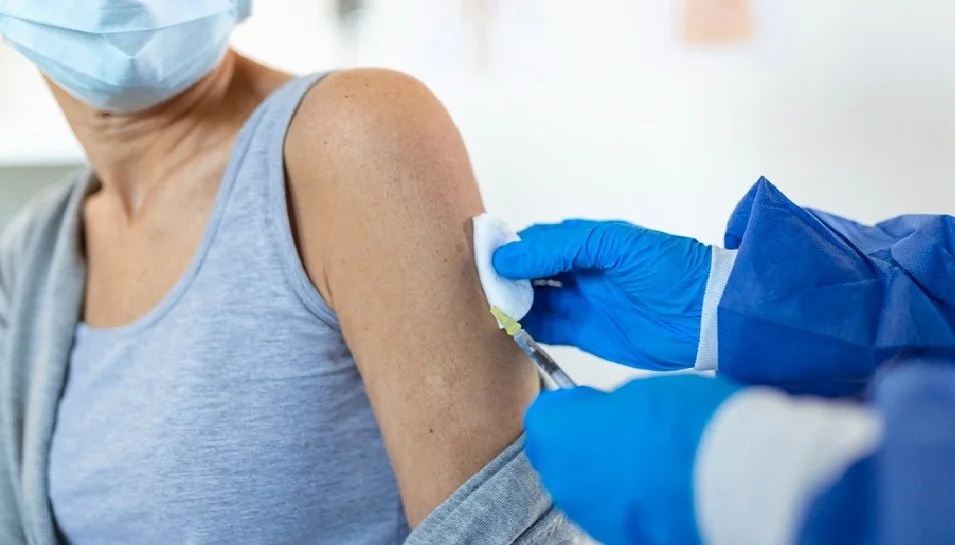
Image by Depositphotos
Find out which laboratories in Latin America are working on alternative methods in our Map.