
Rats and Mice: More Than Just a Number
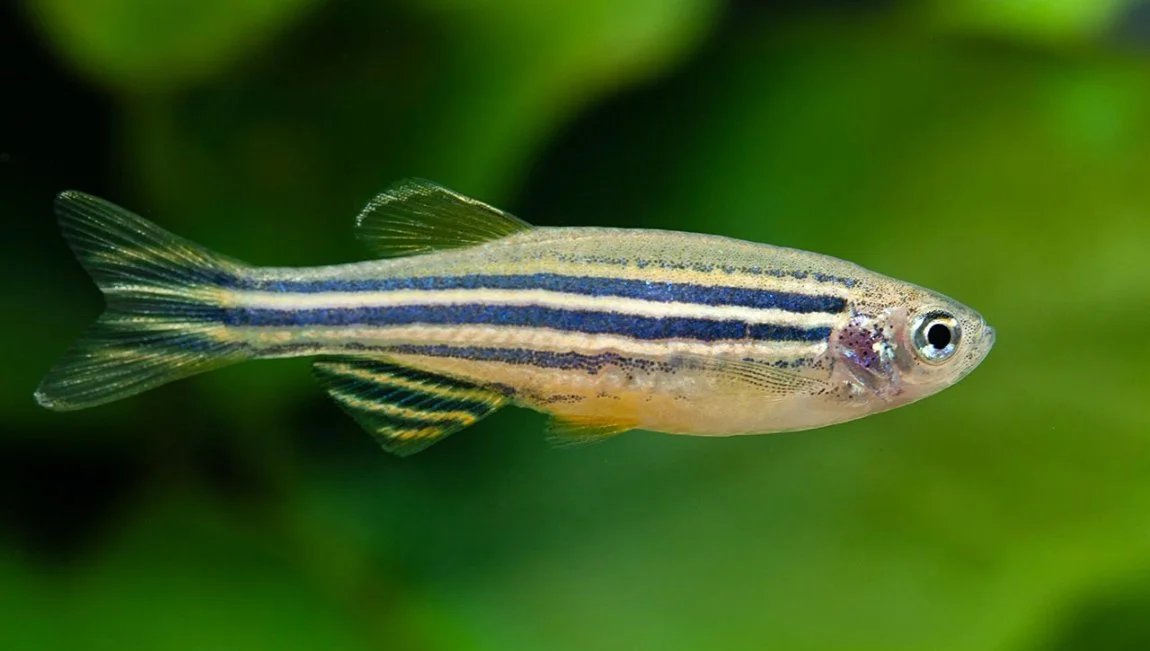
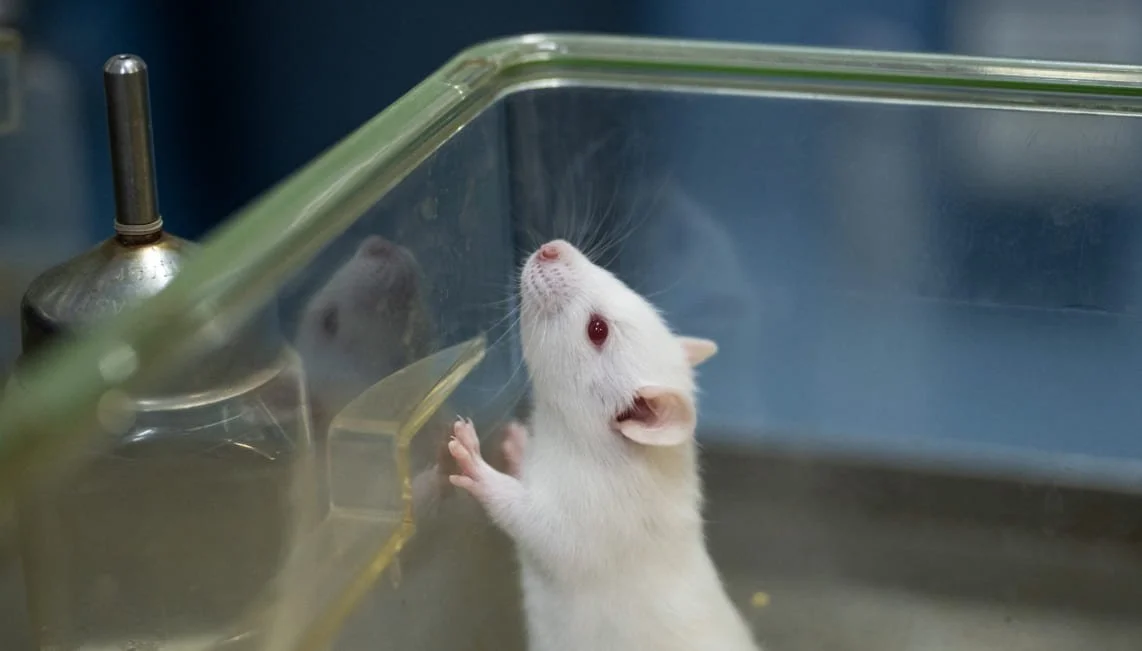
Every April, two important events are commemorated: Rat Day and World Laboratory Animal Day. Both dates invite us to reflect on the role that different species have played in science, as well as on the importance of recognizing them as living beings capable of experiencing pain and well-being.

Image by Te Protejo
Rats and mice have been part of human life for centuries, not only in domestic and natural environments but also in laboratories, where they have been used in the development of medications and treatments. Beyond this context, it is important to understand their characteristics and behaviors.
It is estimated that more than 95% of the animals used in research are rodents; however, their inclusion in animal welfare legislation remains limited. Despite this, various studies have shown that they can experience pain and fear and form social bonds with other members of their species.
It is against this backdrop that the “More Than Just a Number in 2025” campaign is being launched, which aims to raise awareness of rats and mice beyond the confines of laboratories and promote a greater understanding of their cognitive, emotional, and social abilities.
ADD CAMPAIGN PHOTOS: subway photo and social media infographic on the difference between a rat and a mouse
Smart, social, and full of surprises
Far from the stereotypes often associated with these species, rats are animals with highly developed cognitive and social abilities. Various studies have demonstrated their capacity for learning, their ability to solve complex tasks, and the presence of social behaviors, such as responding to the distress of other individuals.
Mice, meanwhile, are known for their acute hearing and sense of smell, as well as their exploratory behavior. In addition, they exhibit behavioral variability, which has been linked to individual differences in their behavior.
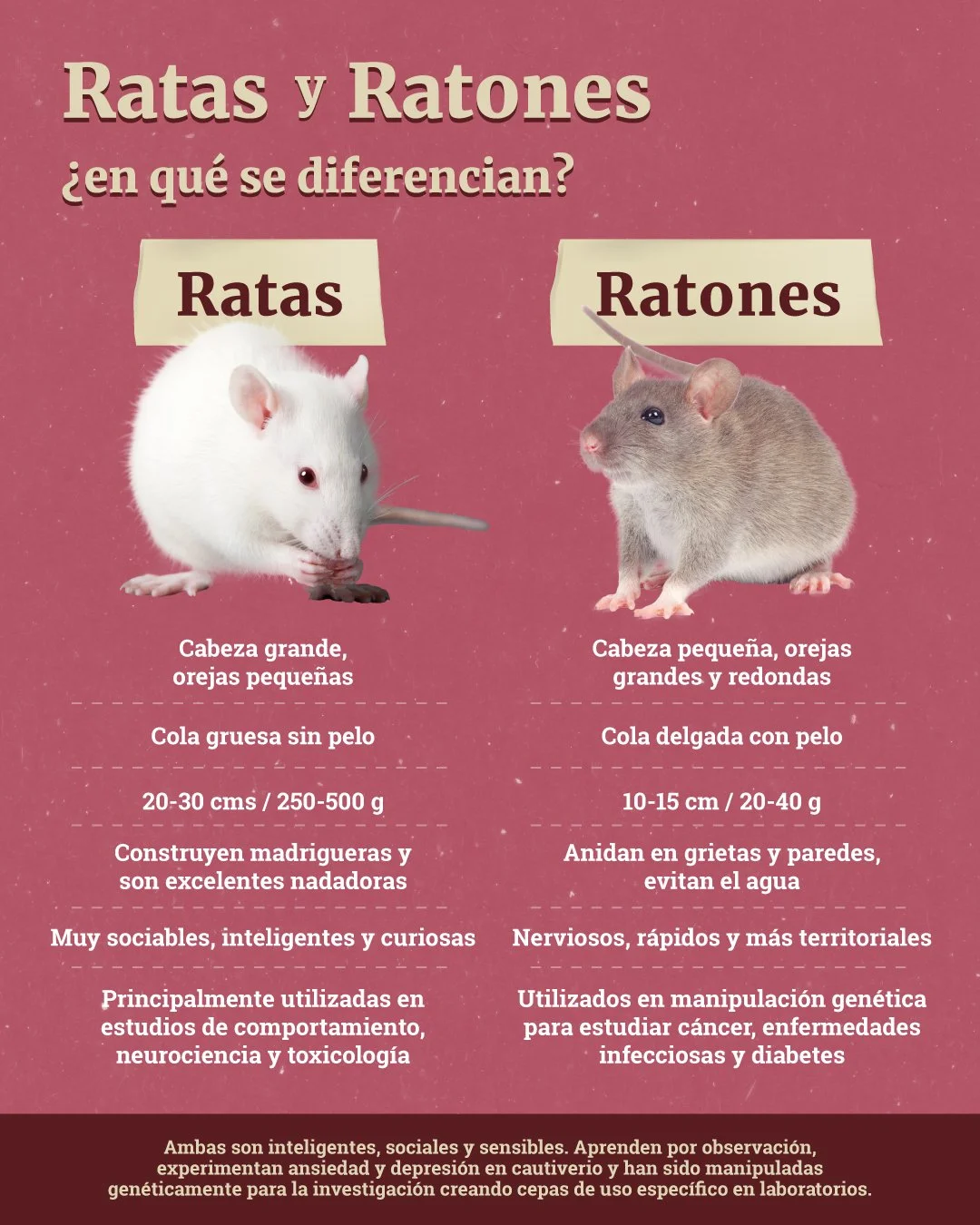
Image by Te Protejo
What should you do if you find a rat or mouse in your surroundings?
Stay calm and avoid sudden movements. These animals can easily become frightened if they feel threatened, so it is not recommended to try to handle them directly.
Provide an escape route. Opening doors or windows allows them to leave on their own. In enclosed spaces, this can help guide them toward an exit without causing stress.
Avoid leaving food out in the open. Food scraps can attract these species, so it is recommended that you store food properly and keep your living spaces clean.
Check for and seal potential entry points. Identifying and closing openings or cracks can help prevent them from entering, thereby avoiding the need to resort to measures that could harm them.
They, too, deserve to be treated with respect and compassion
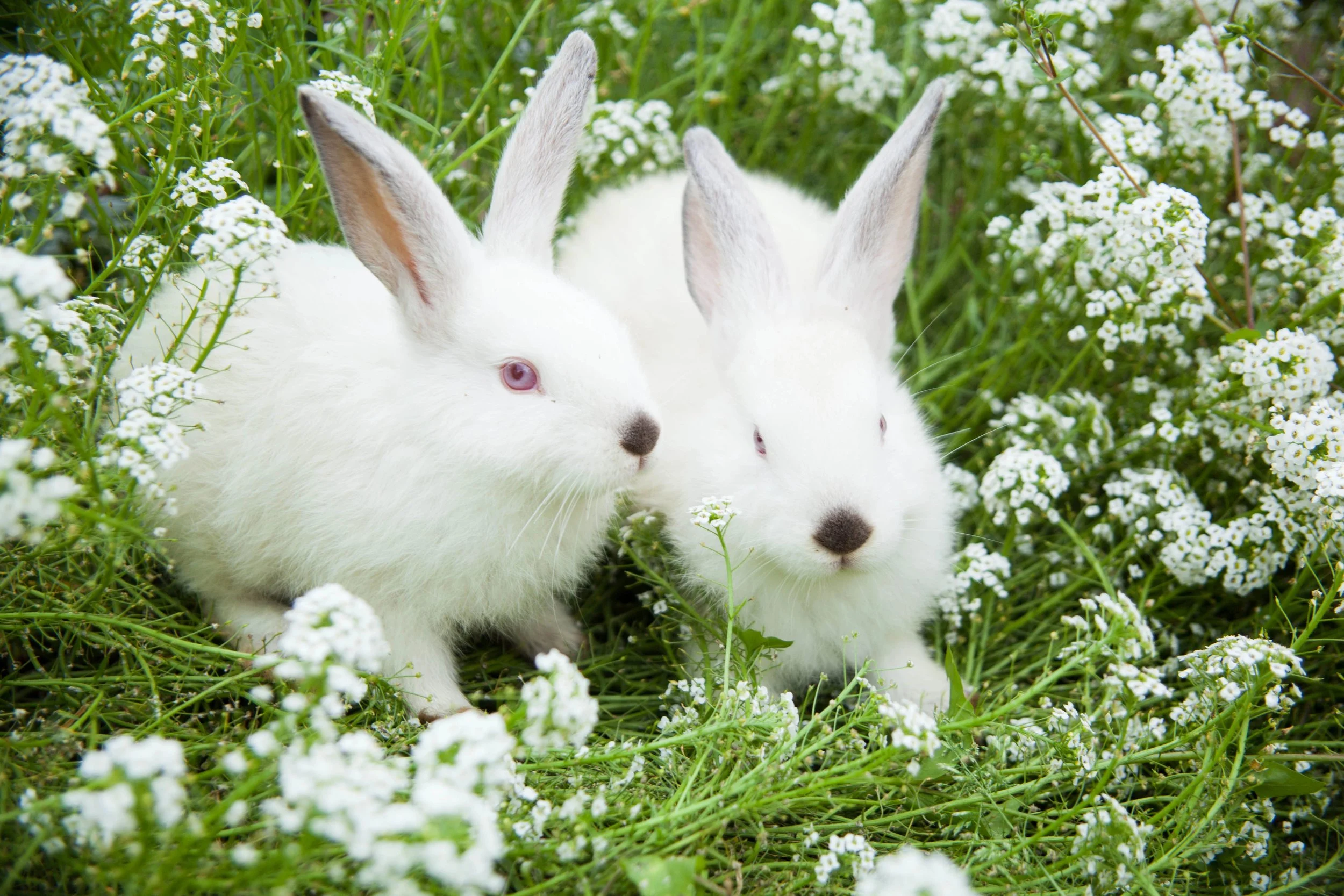
Image by Depositphotos
This campaign aims to promote a more respectful view of rats and mice, recognizing them as living beings with their own emotional and behavioral capacities, beyond their use in scientific contexts.
We also invite you to learn about and share this initiative, with the goal of contributing to greater visibility and consideration for these animals. Every life counts, and recognizing their value is part of moving toward a more ethical relationship with other species. You can access informational materials from the campaign, such as downloadable resources, designed to foster empathy and knowledge about these species.
To explore this topic further, you can review related content such as The Animal Dilemma in science, as well as Motherhood in Rats: What Is It Really Like? and History of the Rat, which explore various aspects of the relationship between these species and research, along with aspects of their behavior and evolution.