
The Dilemma of Animals in Science: Reflections from a Podcast
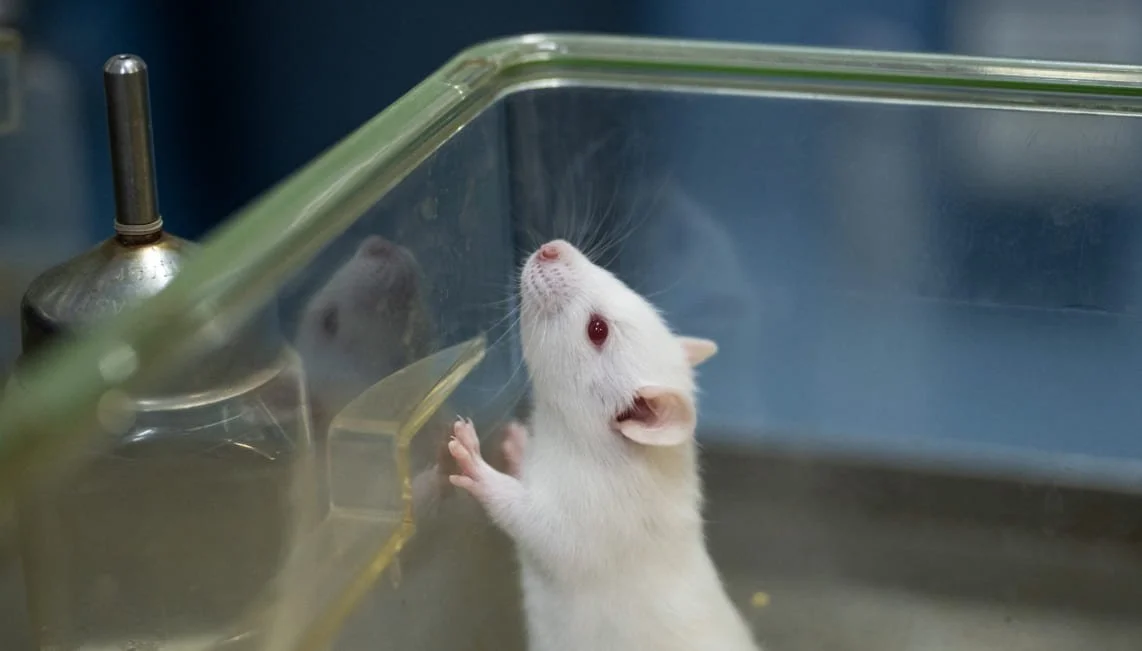
The episode “The Rat I Loved” from the podcast Radio Ambulante invites you to reflect on the ethical dilemma of using animals in scientific research. Based on this story, it highlights the importance of applying the 3R principles—Replacement, Reduction, and Refinement—in scientific research, with the goal of minimizing animal suffering and promoting more ethical and responsible methods.

Image courtesy of Radio Ambulante
A fact about the author: she has a deep appreciation for podcasts, and the ones she listens to increasingly influence her thoughts and decisions. Among her favorites, Radio Ambulante stands out as a leader. This podcast tells stories from Latin America with an in-depth and carefully produced approach, addressing topics such as culture, history, politics, and the personal experiences of people from different countries in the region.
The episodes combine investigative journalism and emotion, offering a rich and unique perspective on Latin American reality. For those looking for a podcast that educates, moves, and provokes thought, Radio Ambulante is an excellent choice. One episode that particularly stands out is “The Rat I Loved.” Released in March 2022, this episode tells the story of the relationship between veterinary neuroscientist Manuel Rojas and one of his laboratory subjects, a rat named Manuela. It is a story that is both moving and difficult to listen to, inviting listeners to reflect on the ethical and emotional complexities of using animals in laboratories for research and scientific advancement.

Image by Depositphotos
Rats: More Than Just Numbers in a Lab
Before delving deeper into the episode, it’s important to pause and consider a point that often goes unnoticed: what do we really know about rats? It’s easy to think of them only as test subjects or as unwelcome pests in cities, but in reality, they are creatures with fascinating characteristics:
🐭 They are extremely intelligent, capable of solving complex problems, remembering routes, and learning various tricks.
🐭 They form emotional bonds, recognize their caregivers, and show signs of attachment and sadness when they lose a companion.
🐭 They can show empathy by choosing to free another trapped individual rather than receiving a reward for themselves.
🐭 They make sounds that are interpreted as laughter (although at an ultrasonic frequency inaudible to humans) while playing or when they are petted.
Knowing this makes it even harder to ignore the suffering of the rats when they are used in laboratories, especially considering that there are alternatives that could reduce their use.
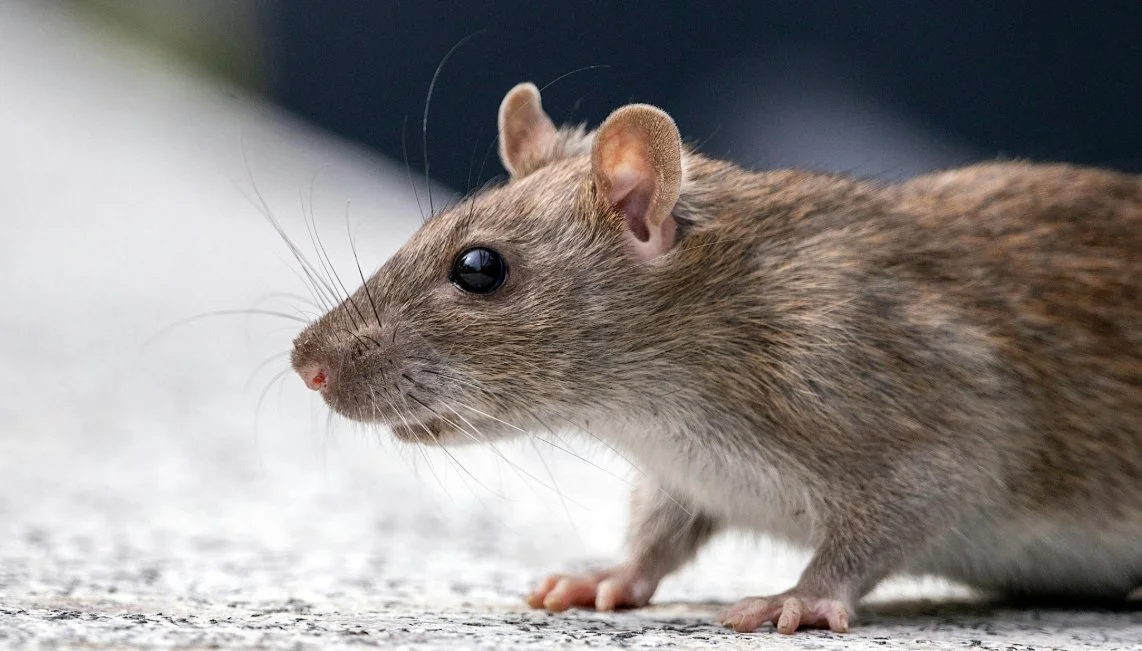
Image by Depositphotos
The Paradox of Animal Testing
Awareness of animal welfare has grown in recent years, extending beyond lifestyle choices—such as veganism—to other forms of animal exploitation. This includes animals used in safety testing for the cosmetics industry, as well as in entertainment, agricultural production, and tourism. Opposition to these practices is widespread and strong.
However, a dilemma arises when it comes to animals used in scientific research, such as the development of drugs for Alzheimer's disease or treatments that improve the quality of life for people with HIV or multiple sclerosis. This conflict highlights the ethical complexity of animal experimentation in science.
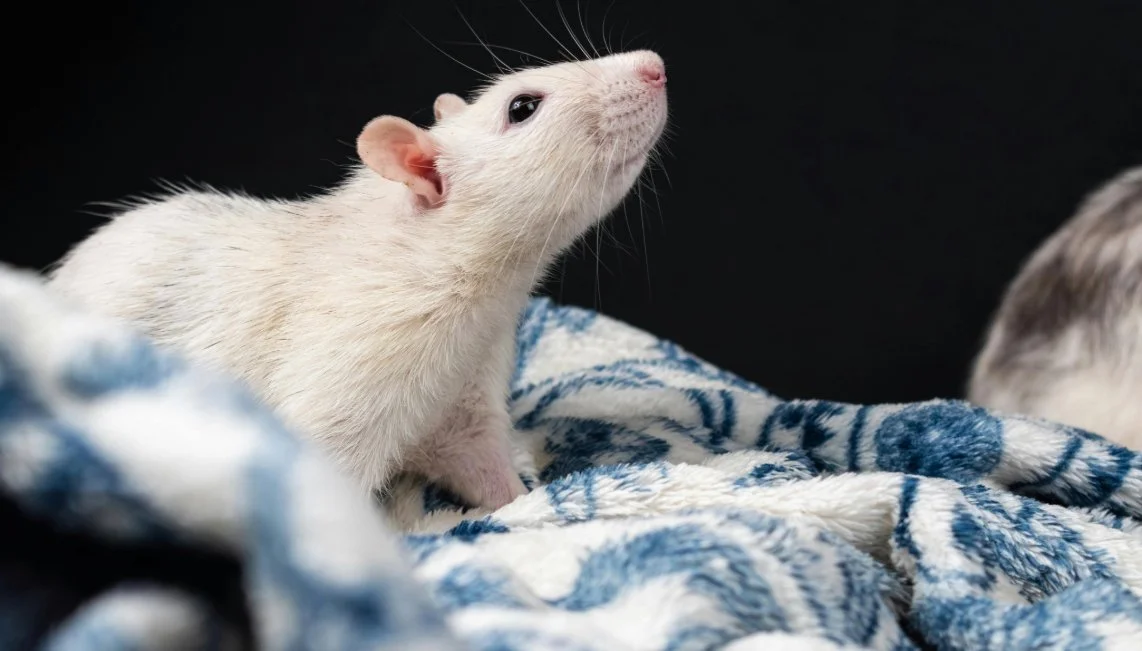
Image by Depositphotos
3R for the Future
This episode of Radio Ambulante offers a profound reflection on the ethics of animal research, addressing the topic with seriousness and sensitivity. Manuel, the protagonist, combines his role as a laboratory scientist with a deep respect and care for the animals he works with, highlighting the emotional complexity involved in this type of research.
The episode's conclusion underscores the philosophy that Manuel conveys to his students after years of experience in laboratories: the importance of applying the 3Rs in animal testing:
💡 Keep the number of experiments to an absolute minimum.
💡 Refine procedures to make them less invasive and painful.
💡 Replace animal testing with alternative methods whenever possible.
Currently, there have been significant advances in animal-free research methods, such as organs-on-a-chip, computational models, and cell cultures, which make it possible to evaluate diseases and drugs without causing suffering. However, there is still a perception among some members of the scientific community that rats and other animals are indispensable for achieving certain medical and technological advances.
The debate over the use of animals in research is complex but necessary. The goal is for the 3Rs to move beyond being merely a theoretical principle and become a real and effective practice in laboratories around the world.
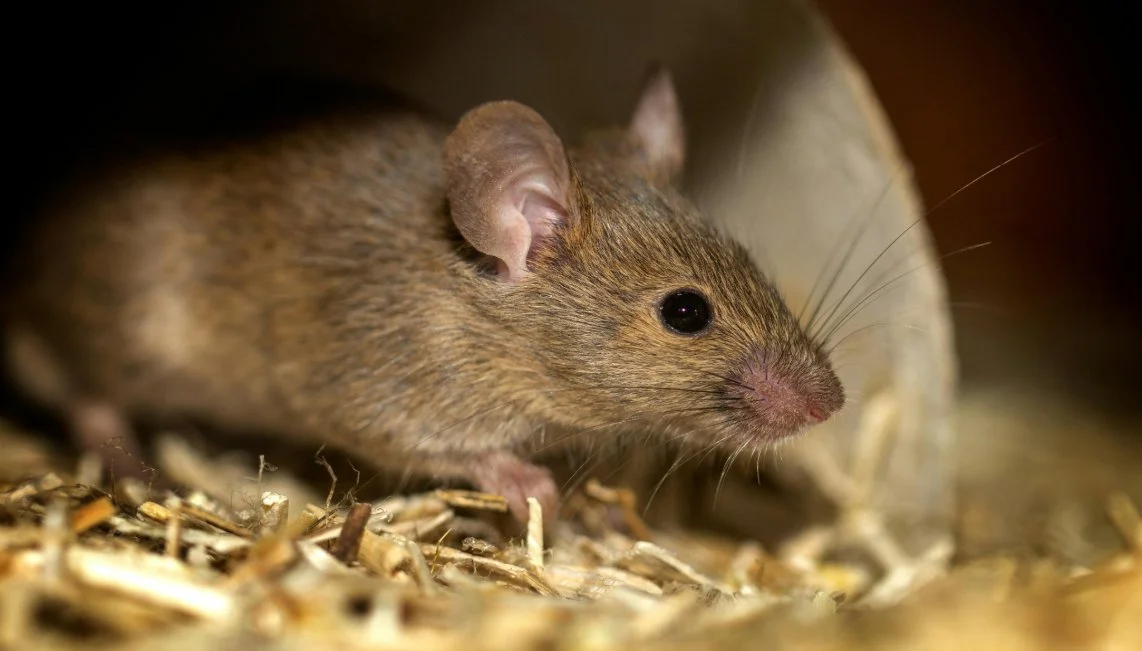
Image by Depositphotos
Have you ever reflected on the use of animals in experimentation to advance science? We invite you to share your opinions and comments on this important ethical and scientific debate. The use of animals in science also raises questions about their role in research processes and the criteria that justify their use. Exploring these aspects in depth allows for a better understanding of the ethical implications behind these practices.