
Laboratory Animals and Their “Voluntary Participation” in Experiments
The concept of “voluntary participation” is often associated with decisions made freely and without coercion. However, its application in the context of animal research raises important questions from both an ethical and scientific perspective.
In this context, the question arises as to whether the participation of animals in experimental studies can be considered voluntary, especially when their behavior may be influenced by rewards or the avoidance of aversive stimuli. This issue has been addressed by researchers seeking to analyze the scope of the concept of voluntary participation in laboratory animals and the implications this has for how scientific studies are designed and interpreted.
Image by Depositphotos
Research Methodology
The authors conducted a search on Google Scholar using the term “volunteers” in publications related to animals, combining it with concepts such as animal behavior, laboratory animals, and zoos. Through this process, a total of 83 studies were identified.
Through a qualitative analysis, they identified nine recurring ways in which language associated with volunteering is used. This type of terminology appears primarily in research on animal behavior and psychology, with objectives such as understanding behavioral patterns, studying cognitive processes, or evaluating interventions aimed at animal welfare.
Before presenting the results, the authors outlined a series of criteria for determining whether it is appropriate to speak of “voluntary participation” in the context of animals used in research.
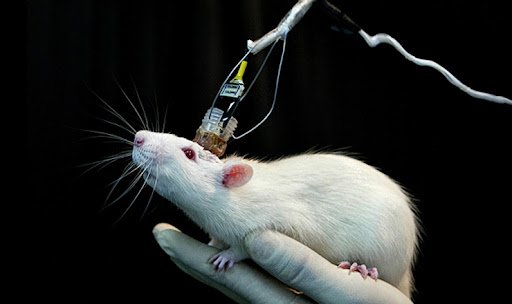
Image by Depositphotos
Will and Agency
First, the authors question whether it is possible to consider animals as agents. This concept, widely used in the social sciences and humanities, posits that animals can be individuals with their own preferences and motivations, capable of influencing their environment through their actions.
However, they point out that, although there may be some degree of animal agency, it is limited by forms of control exercised by humans. Furthermore, the concept of animal dissent has been little explored in research. In this context, for both animals and humans, decisions and choices are conditioned by external factors that restrict their autonomy.
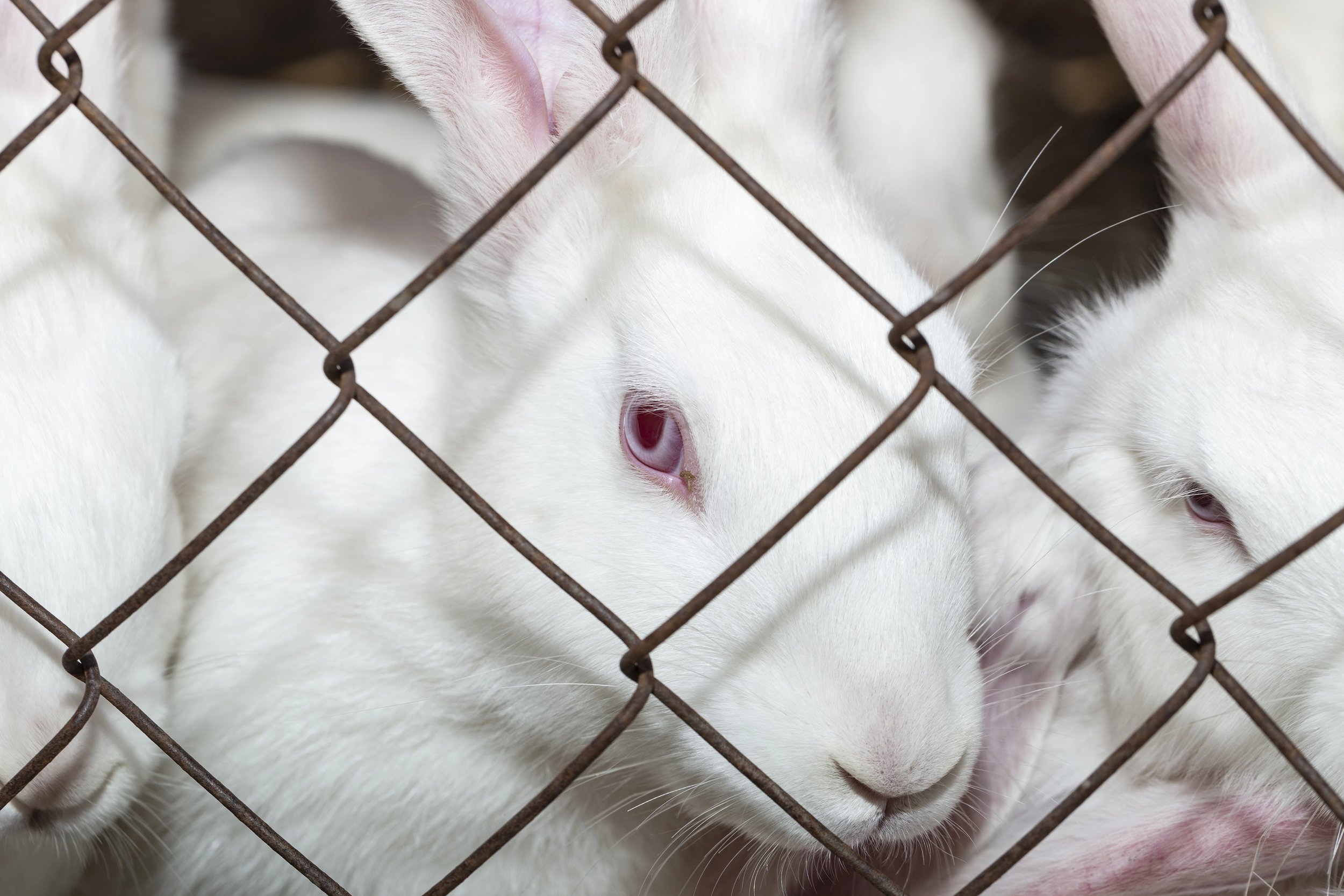
Image by Depositphotos
Training and Raising
The behavior of laboratory animals is strongly influenced by external factors defined by researchers. This influence is not limited to the conduct of studies but begins in earlier stages, such as training and rearing.
With regard to training, there is debate about its compatibility with the idea of voluntary participation. Some experts believe that the use of positive reinforcement could be consistent with this concept. Others, however, question this position, pointing out that these practices may involve conditioning that limits the animals’ autonomy.
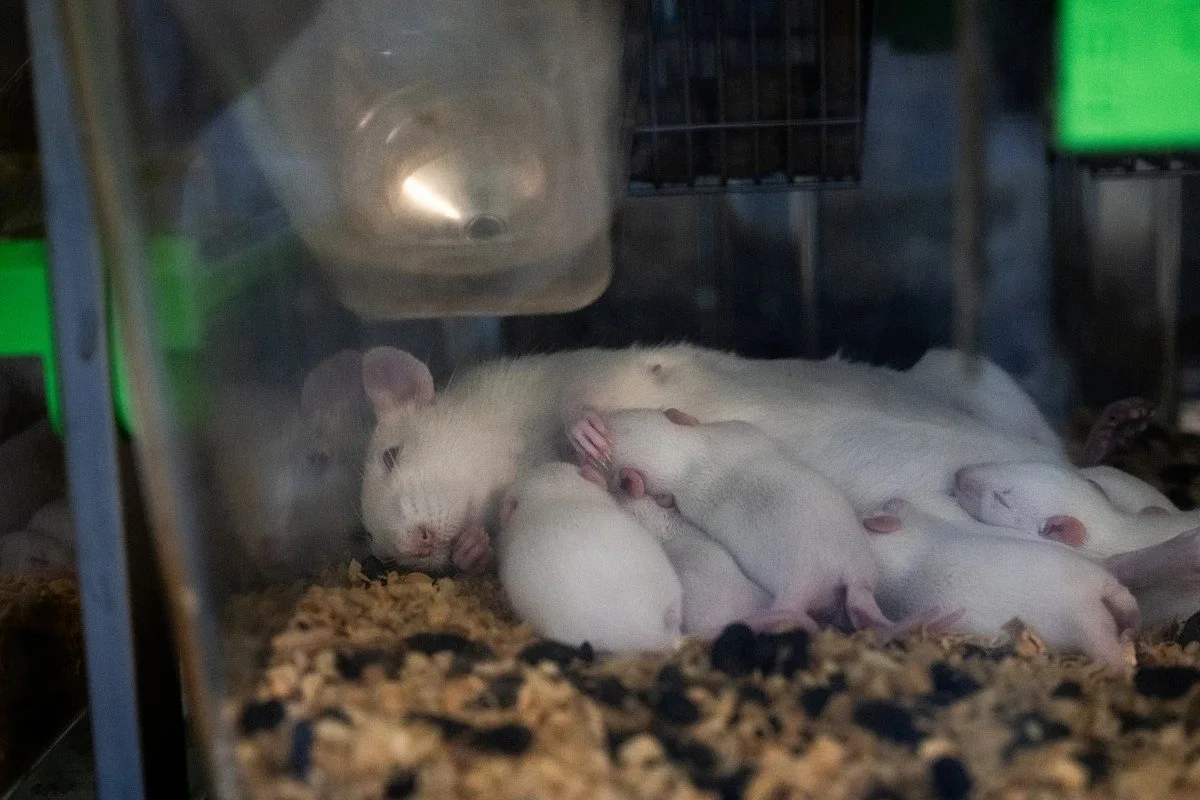
Image by Te Protejo & We Animals
An example of this debate can be found in the so-called Pickard Report, which focuses on the experience of nonhuman primates in neuroscience research. While some research teams noted that the animals showed a willingness to participate in experimental tasks, other organizations pointed out that one cannot speak of voluntariness if certain preconditions exist, such as the restriction of food or water, or the use of force during training. Furthermore, prolonged repetition of tasks can lead to habituation, which also calls into question the notion of free choice.
With regard to breeding, it has also been suggested that the selection of individuals with specific behavioral characteristics could be considered compatible with voluntary participation. However, this approach implies that the researchers themselves influence the animals’ behavior, selecting those that best align with the experimental objectives.
The Use of Force and Rewards
This debate raises the question of what can be considered voluntary participation and whether this concept applies to both humans and animals. Traditionally, voluntariness has been associated with free decisions that are not conditioned by rewards. However, in practice, this definition has been widely debated.
In the case of human beings, participation in clinical trials—even when based on informed consent—may be influenced by external factors such as a lack of alternatives or financial incentives and needs. In these contexts, the decision is not always driven by altruistic motives, but rather by conditions that limit freedom of choice.
Based on this, the authors examine whether a similar situation occurs with animals used in research, questioning whether they truly have the ability to participate or not, and what alternatives exist in their environment.
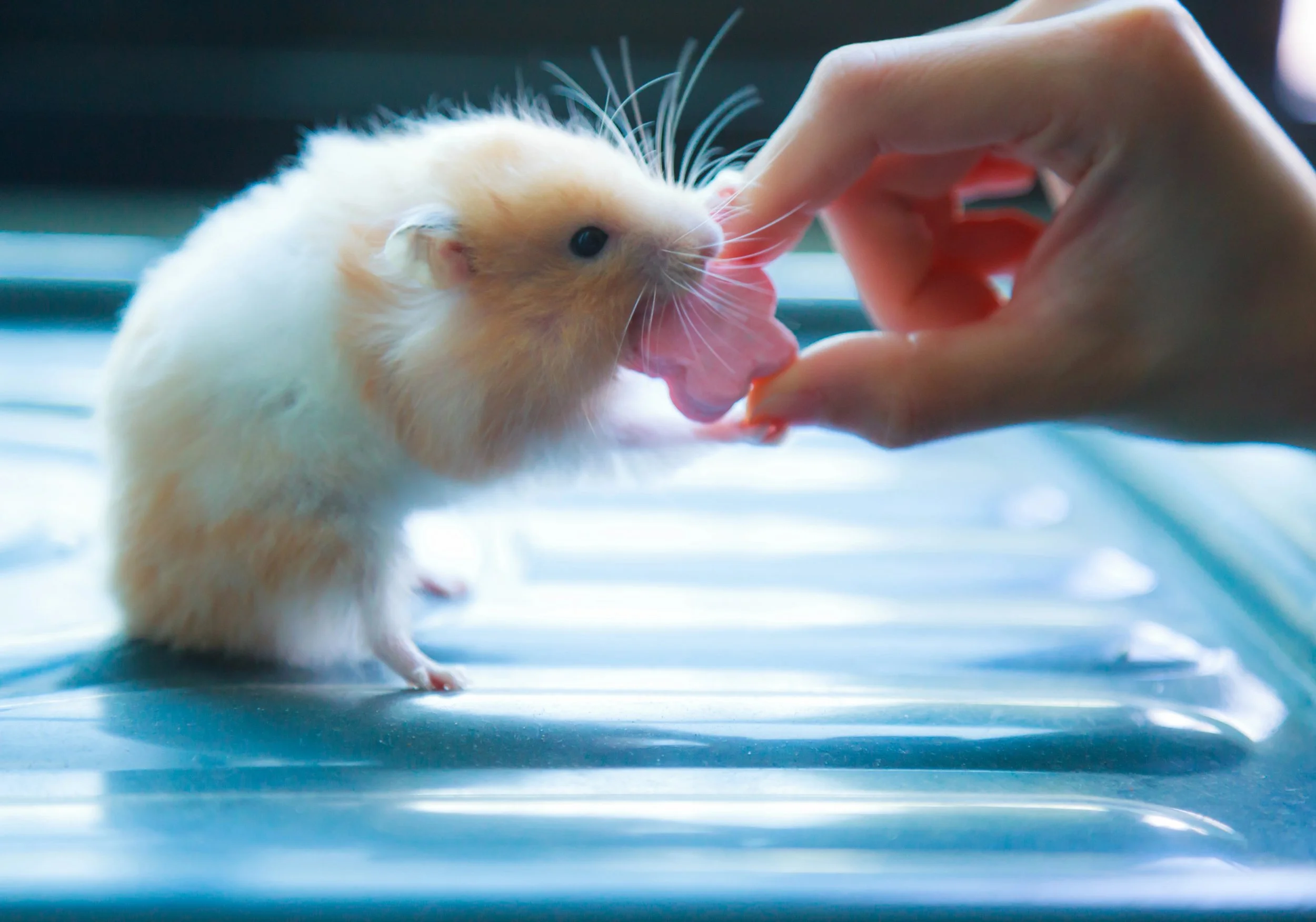
Image by Depositphotos
One example comes from a study of rhesus macaques, which compared the behavior of individuals in a laboratory setting with that of others in conditions more closely resembling their natural habitat. In both cases, the animals had free access to an experimental task and received rewards for participating, without food deprivation. While all the animals participated in the laboratory, only some did so in the open environment, suggesting that context directly influences participation.
Another example addresses the use of food as an incentive in animal research, comparing it to monetary compensation in humans. However, this equivalence has its limitations. In an experiment with capuchin monkeys, it was observed that they reacted negatively when they received a reward different from that of their peers, which shows that factors such as the perception of fairness also influence behavior.
In this context, the authors point out the difficulty of interpreting concepts such as altruism in animals without resorting to anthropocentric approaches. They also acknowledge the limitations involved in attempting to apply human categories to contexts where direct communication is not possible.
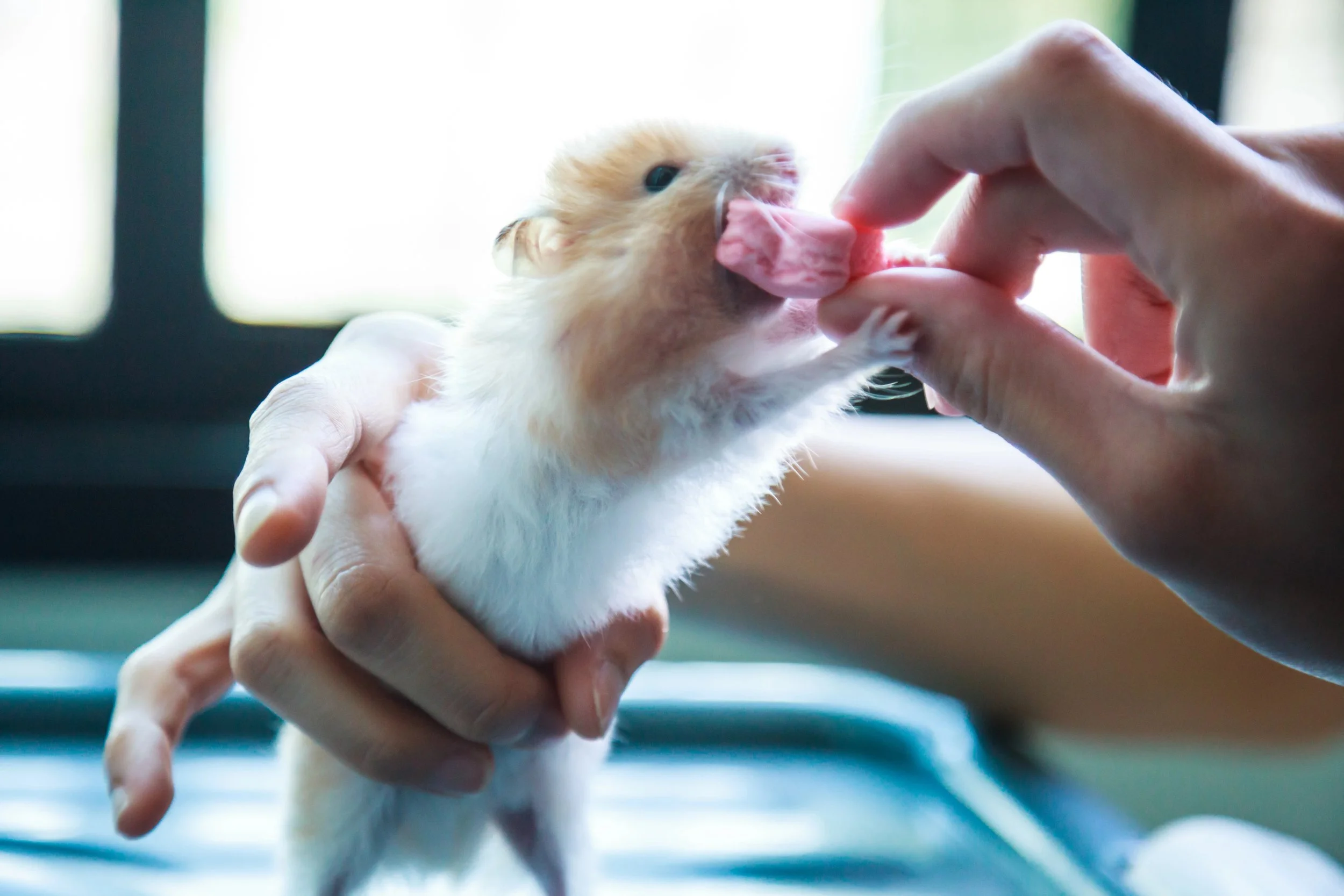
Image by Depositphotos
So, what does the concept of "volunteering" mean in animal research?
Based on the analysis, it is evident that there is no clear and precise definition of what the voluntary participation of animals in research entails. Rather, the concept is used in different ways: as a way to recognize a certain degree of agency or decision-making capacity in animals, as an attempt to avoid notions associated with forced labor, restriction, or suffering, and also as a way to reflect researchers’ commitment to animal welfare.
However, this research shows that the use of the term “voluntariness” in this context deviates considerably from its strictest meaning, understood as a free action, without restrictions or incentives. Even so, the authors argue that, despite these limitations in both humans and animals, the concept can continue to evolve as an ethical aspiration within the scientific community.
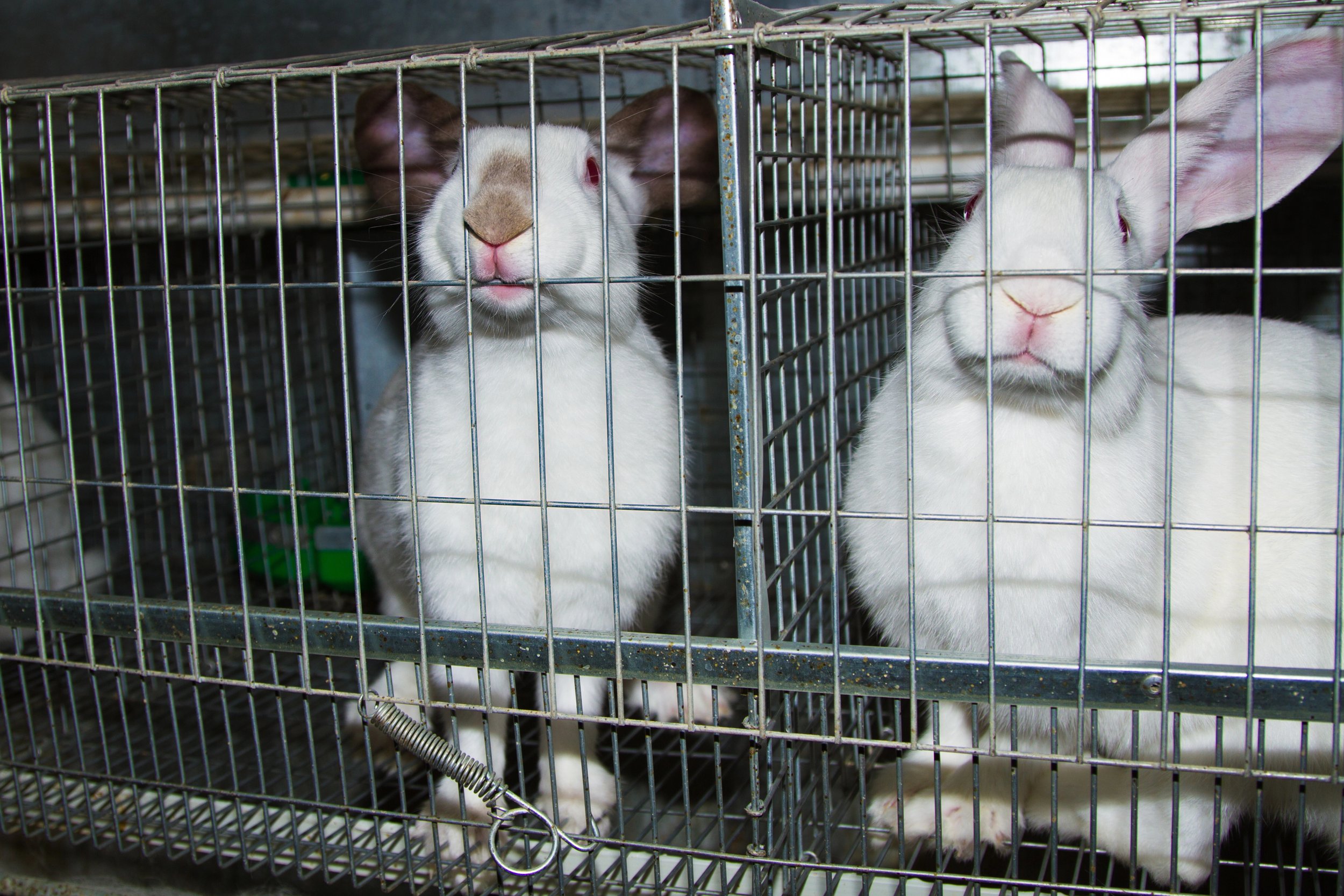
Image by Depositphotos
This type of analysis underscores the need to question the ways in which language is used in research, especially when it can help justify practices that, if applied to human contexts, would be widely rejected. In this regard, moving toward a less anthropocentric perspective is key to better understanding and respecting other animals.
These kinds of reflections invite us to question not only research practices but also the language used to describe them, especially when it can influence how the treatment of animals is perceived. Moving toward a more ethical science involves recognizing these tensions and promoting approaches that take animal welfare into account more rigorously. If you’d like to read the full study, you can access it via this link.