Is the regulation compatible with cruelty-free certification?
In this article, we discuss how regulation and certification can complement each other, and why understanding each country’s regulations has been key to moving toward a cosmetics industry free of animal testing.
Whenever a certification process is initiated with Te Protejo, companies are asked to provide information about the types of products they sell and the countries where they distribute them. This step is essential for conducting an initial analysis and assessing the feasibility of moving forward with obtaining the animal-testing-free seal. Having this information allows us to review the current legislation in the countries where the products are manufactured or sold, as well as to identify whether there are animal testing requirements for certain product categories. Omitting this analysis can lead to incomplete evaluations or erroneous decisions.
A Specific Case: When Regulations Limit Certification
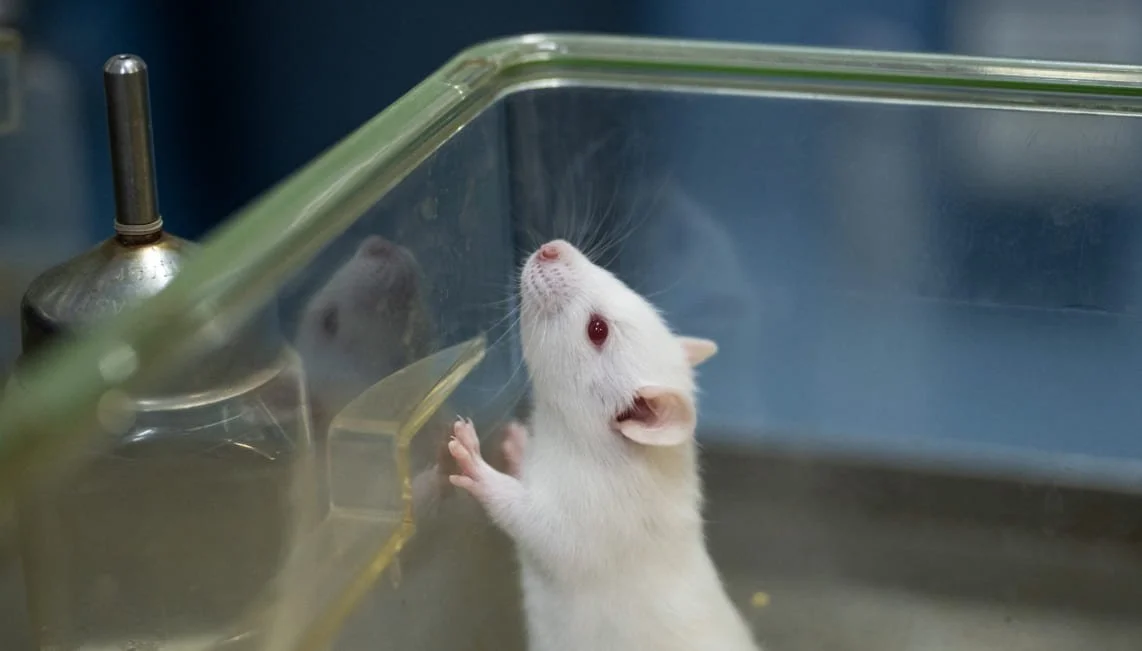
A few years ago, a company with an international presence applied for certification of household cleaning products. Upon reviewing its product portfolio and the countries where its products were sold, it was determined that some disinfectants sold in Peru were subject to an inhalation test on rats—a test for which there are no validated alternatives that do not involve the use of animals.
Had the applicable regulations not been reviewed, this requirement would have gone unnoticed. In many cases, these types of tests are conducted by external laboratories, so they are not always known to the companies’ own internal teams.
In situations like this, the company cannot move forward with the certification process. However, these scenarios also highlight opportunities to foster dialogue with authorities and promote regulatory improvements. At Te Protejo, we value companies’ interest in moving toward more ethical practices as part of a gradual transformation of the industry.
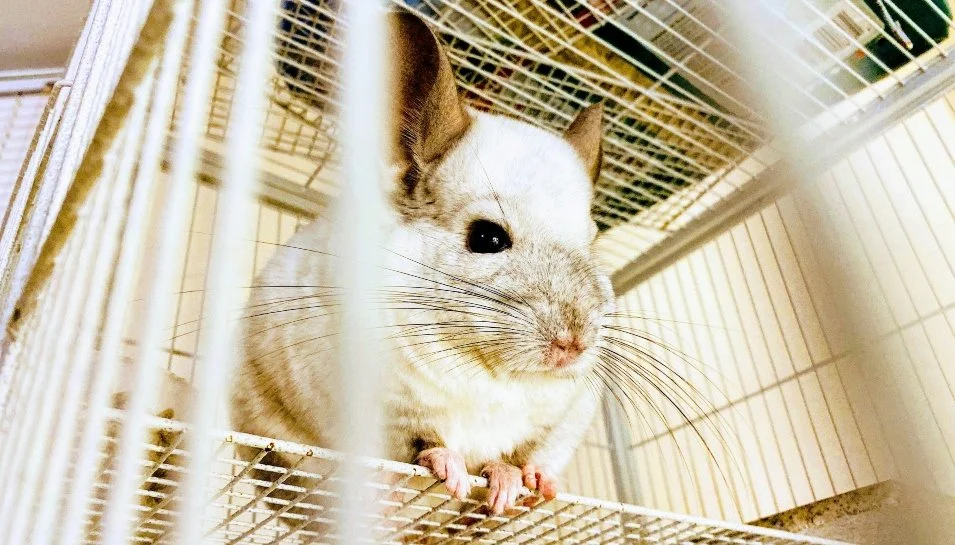
Image by Depositphotos
What factors are considered when assessing the feasibility of certification?
When evaluating whether a product can be certified, several key factors are taken into account:
Product type:
The applicable regulations are reviewed based on the category, such as cosmetics, personal care products, health products, or medical devices.
Countries of production and marketing:
The regulations in effect in the countries where the product is manufactured and marketed are analyzed, including import and export requirements and international agreements.
Required safety tests:
An assessment is conducted to determine whether the regulations require animal testing and whether validated alternative methods exist. If no alternatives exist, the product cannot proceed in the certification process.
Certification and Regulation: Are They Opposite or Complementary?
The two are compatible and reinforce each other. Regulations vary by country and, in many cases, provide for exceptions, either due to interactions with other industries or the lack of validated alternative methods.
Certification, on the other hand, comprehensively evaluates the supply chain, taking into account both the final product and its ingredients, thereby ensuring that no animal testing occurs at any stage of the process.
One example is the European Union. Although animal testing for cosmetics was banned in 2013, certification remains relevant, as there are aspects that the regulations do not fully cover. In this context, certification organizations such as Cruelty Free International have collaborated with authorities to advance the implementation of these changes, demonstrating that regulation and certification can complement each other.
What elements are not covered by the regulation?
Each country's legislation primarily regulates what occurs within its own territory, which leaves out relevant aspects of the production chain. For example, many ingredients may come from abroad and be subject to different regulations.
In addition, there are international agreements that facilitate trade between countries with different regulations. This allows regulations that prohibit animal testing to coexist with others that still require it. In practice, a brand may not conduct animal testing in one country but may market its products in markets where such testing is required in certain cases.
How effective is government oversight?
Cosmetic products are monitored at various stages, including health authorization, verification of regulatory compliance, and post-market surveillance.
Each country establishes its own regulatory procedures, as well as the requirements for obtaining authorizations. In this context, regulations prohibiting animal testing often include transition periods and require regulatory adjustments to ensure their proper implementation.

Image by Depositphotos
The Value of Certification: Ethical and Technical Endorsement
Government oversight faces challenges, especially in contexts where multiple products and companies operate simultaneously. In this scenario, certification plays a complementary role, as it allows for verification that brands not only comply with current regulations but also align with more stringent ethical standards.
As a result, certification remains an important tool, both for strengthening regulatory compliance and for providing consumers with greater clarity when choosing products that align with their values.
Regulation and certification are not only necessary, but they also complement and reinforce each other. At Te Protejo, this work is driven by our Advocacy and Certification departments, with the goal of moving toward an industry free of animal testing.
Would you like to learn more about the certification process? Email us at certificaciones@ongteprotejo.org. And if you want to know which brands are already officially certified, check out our official lists.