Learn about sanctuaries dedicated to laboratory animals
Around the world, there are many places where animals have been victims of human cruelty in various ways: exploitation in circuses and zoos, illegal trafficking, keeping “exotic pets,” or being used in experiments. But there are also places that offer them a second chance after they’ve been rescued: animal sanctuaries.
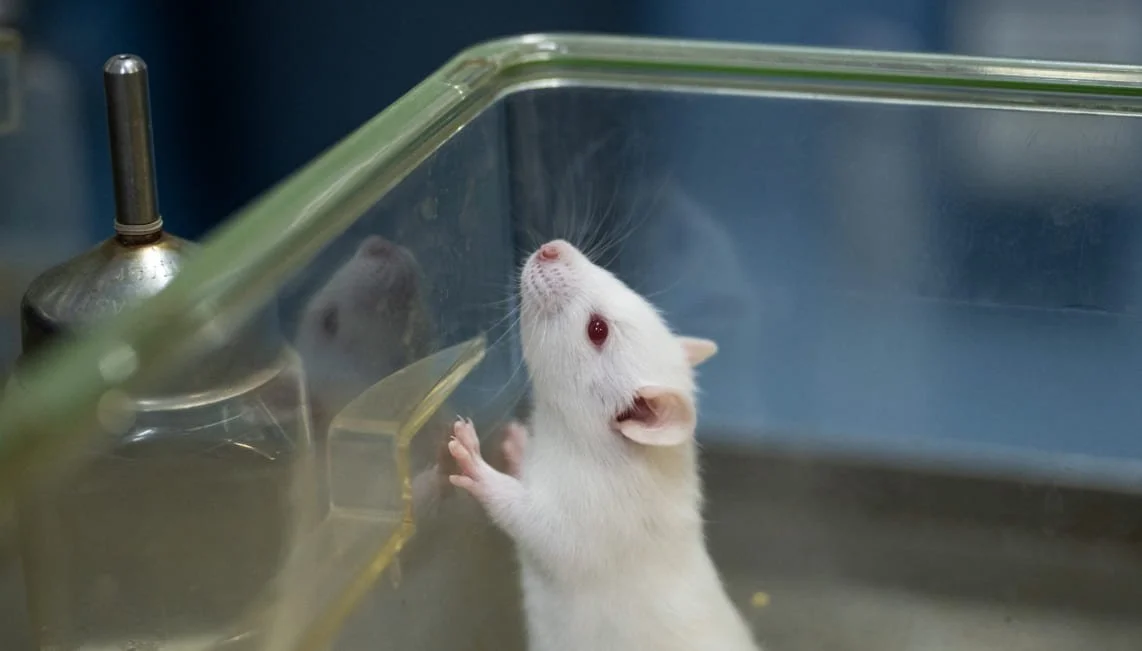
Rescue efforts involving animals used for laboratory experimentation require a high degree of organization and technical expertise, as this is an extremely delicate mission. Since these exploited animals suffer constant stress and are exposed to distressing situations and abuse, their physical and mental health is severely compromised, which could trigger dangerous reactions. Additionally, laboratory animals also suffer the consequences of chemical injections or inhalation, changes in their genetic makeup or physical condition, and even the loss of limbs or vital organs. Therefore, removing them from a laboratory without proper care can pose a life-threatening risk to them.
Despite the challenges, there have been successful rescue cases in which organized groups of medical professionals, veterinarians, and activists have managed to free animals from these situations, allowing them to start a new life in the safe environment of a specialized sanctuary.
Sanctuaries are places dedicated to the rehabilitation of animals that have been victims of mistreatment, abuse, and exploitation; they are established by organizations or individuals committed to animal welfare and protection. The purpose of these facilities is to provide a safe space and specialized care for these animals, which, for various reasons, cannot be reintroduced into their natural habitat.
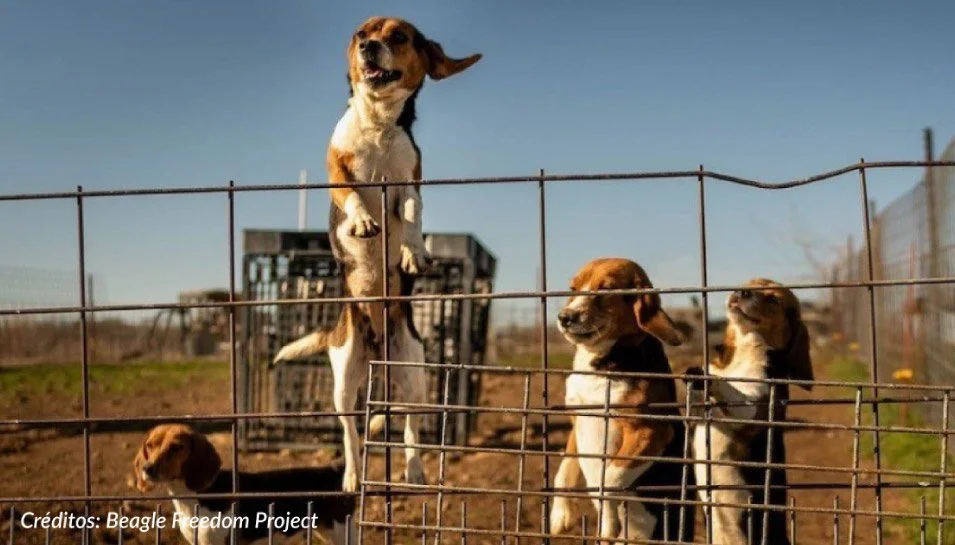
Image by Depositphotos
Freedom Fields
Located in Oklahoma, U.S., Freedom Fields is a sanctuary currently under development designed to provide a home for numerous animals rescued from laboratories.
Before this shelter was established, the land belonged to a research facility that conducted tests on dogs and cats to evaluate flea and tick products. These animals, in addition to being subjected to numerous painful procedures, received no post-treatment care and were therefore in deplorable conditions. For these reasons, the laboratory received several complaints, some filed by the Beagle Freedom Project (BFP), a nonprofit organization specializing in rescuing and rehoming animals used in laboratories, which ultimately led to the facility’s permanent closure.
That is how the site began its transformation into an animal sanctuary. The dogs and cats that had previously been used for experimentation were handed over to BFP, which is now the founding organization of Freedom Fields. Currently, the animals are being rehabilitated and placed for adoption while the site prepares to become fully operational. Once ready, it is expected to open its doors to dogs, cats, pigs, chickens, and rabbits.
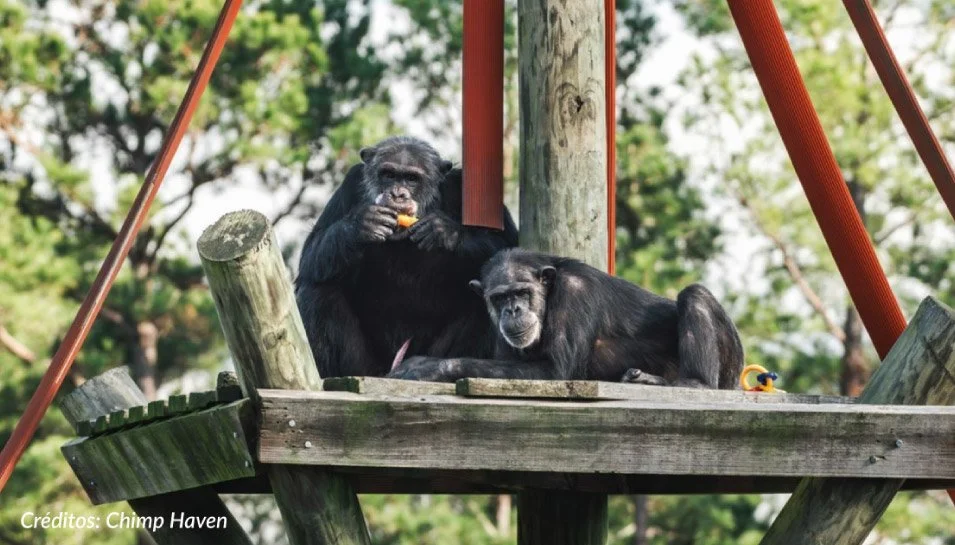
Image by Depositphotos
Chimp Haven Sanctuary
The Chimp Haven sanctuary, located in Louisiana, U.S., is a facility fully equipped to care for chimpanzees retired from biomedical research. In its early days, it was a simple nonprofit organization dedicated to meeting the needs of these primates, until it eventually received a donation of land on which it was able to establish the sanctuary we know today.
Later, when the U.S. Congress passed the Chimpanzee Health Improvement Protection and Maintenance (CHIMP) Act, a system of federal sanctuaries became necessary to provide lifelong care for chimpanzees retired from medical research. That is how Chimp Haven applied for and received a federal contract to operate as the national sanctuary for this species.
To date, Chimp Haven is home to more than 300 chimpanzees, most of whom were previously used in experiments. The residents’ ages range from preteens to 60-year-olds, with an average age of 35. Here, in addition to receiving fresh, high-quality food and proper medical care, they are free to socialize with one another, play, and choose how to spend their days.
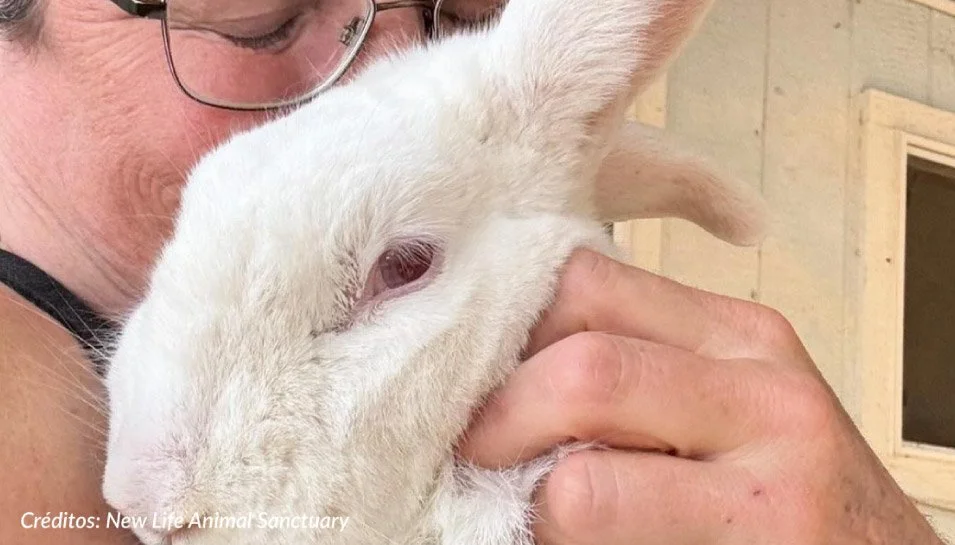
Image by Depositphotos
New Life Animal Sanctuary
Founded in 2008 in California, U.S., the New Life Animal Sanctuary (NFAS) is dedicated to the rescue and rehabilitation of animals that have survived laboratory research. They also rescue farm animals destined for slaughter and injured pets.
As part of its activities, the sanctuary serves as a liaison for orphaned, injured, or sick wild animal juveniles found in shelters. This means that the NFAS arranges for the transport of these wild animals to the appropriate rehabilitation centers based on their needs.
Under the slogan “Life After Labs,” this facility provides medical care, physical and emotional rehabilitation, food, and a safe space tailored to each animal’s needs. Currently, it provides a home for about 200 animals, including pigs, cows, goats, sheep, llamas, dogs, cats, rats, guinea pigs, pigeons, chickens, ducks, turkeys, peacocks, and rabbits.
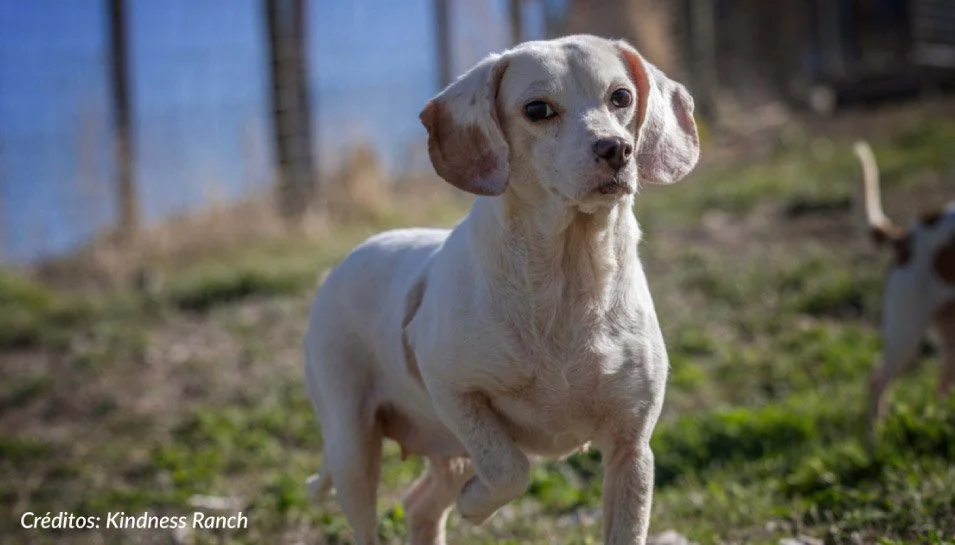
Image by Depositphotos
Kindness Ranch Sanctuary
In southwestern Wyoming, U.S., lies the Kindness Ranch sanctuary. Run by the nonprofit organization Kindness Ranch Animal Sanctuary, this sanctuary was founded with the mission of providing rehabilitation to animals used in laboratory research.
There, caregivers provide round-the-clock care, 7 days a week, administering treatments to dogs and cats to help them adjust to their new lives. The facility also has volunteers who assist with various tasks, such as feeding, cleaning, and grooming the animals.
The sanctuary offers an adoption program for animals that have been rehabilitated and are in excellent health. On the other hand, animals that are in poor health, or that are too old or sick to be rehomed, may remain at the ranch and receive care for the rest of their lives.
All of the sanctuaries mentioned in this article accept donations to improve their facilities and provide ongoing care for the animals. Therefore, anyone interested in contributing can click on the name of the sanctuary of their choice to find out how to help.
Every step forward, new certification, and legislative victory achieved in 2025 reflects the commitment of thousands of people who are demanding an ethical and compassionate market. The path toward a Latin America completely free of animal testing continues to move forward, and your participation is the driving force behind the great challenges that lie ahead. We invite you to learn more about all our campaigns, the milestones we’ve reached, and the real impact that public support has on animals’ lives. To learn more about our work and celebrate these achievements, we encourage you to read the full “Te Protejo 2025” Report here and to continue working together to build a cosmetics industry free from suffering.