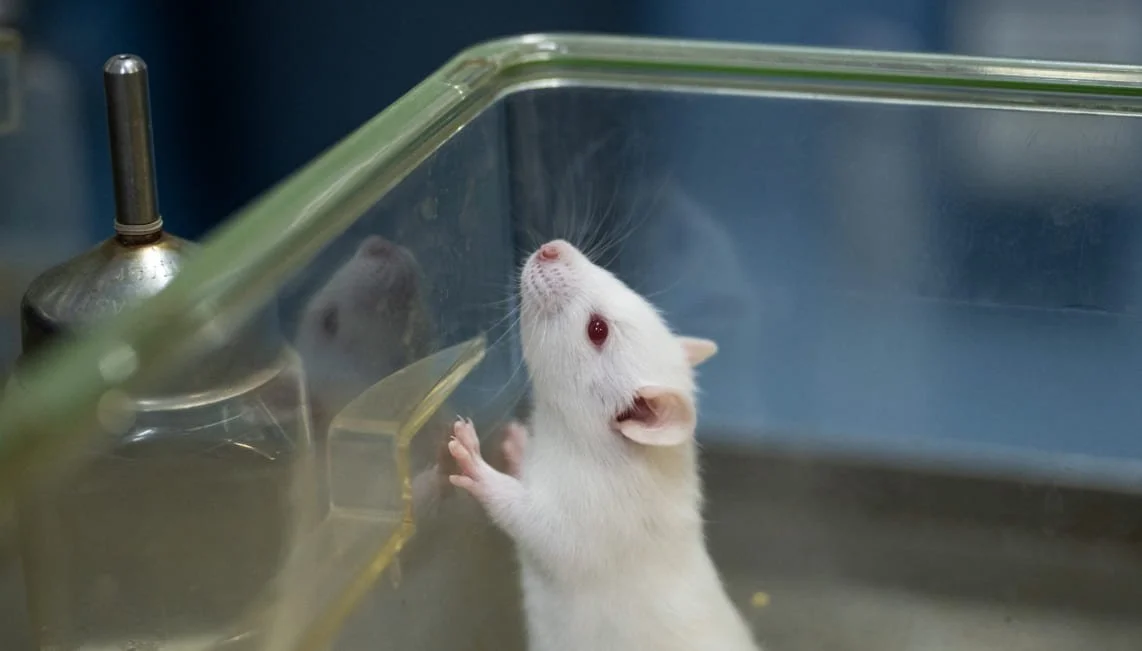

The NIH will prioritize human-based research technologies
The National Institutes of Health (NIH) is a national medical research agency in the United States. This agency comprises 27 institutes and centers and is part of the U.S. Department of Health and Human Services. It is the leading federal agency dedicated to conducting and supporting basic, clinical, and translational medical research, and it works to discover the causes, treatments, and cures for both common and rare diseases.
Recently, the NIH has launched a new strategy aimed at expanding innovative human-based research while reducing the use of animals in science. The development and implementation of cutting-edge alternative models that do not rely on animals are in line with the recent initiative by the U.S. Food and Drug Administration (FDA) to reduce such testing. While animal models have traditionally been the norm for advancing scientific knowledge, emerging technologies offer unique advantages. When used correctly or in combination with existing models, they can significantly expand the tools available to answer biomedical questions that were previously complex or impossible to address.
“For decades, the biomedical research system has relied almost exclusively on animal models. With this initiative, the NIH is ushering in a new era of innovation,” said NIH Director Dr. Jay Bhattacharya. “By integrating advances in data science and technology with our growing understanding of human biology, we can fundamentally rethink how research is conducted—from clinical trials to real-world application. This human-centered approach will accelerate innovation, improve health outcomes, and pave the way for transformative treatments. It is a decisive step forward for science, public trust, and patient care.”
In fields such as Alzheimer’s disease and cancer, research has shown limitations in transferring results obtained in animals to human diseases. These difficulties can be explained by differences in anatomy, physiology, life expectancy, or the characteristics of the diseases themselves. Although humans and animals share much of their genetic information, recent studies suggest that there are functional differences in organs and systems that affect the ability to translate these findings.
New technologies are changing this landscape by enabling scientists to study health and disease directly using human data. As a result, they offer an alternative capable of producing more reproducible, translatable, and efficient results, whether used independently or in conjunction with animal models. Notable among these technologies are:
♥ Organoids: tissue chips and other in vitro systems that allow for the modeling of diseases and reflect both biological variability and the specific characteristics of each patient.
♥ Computational models: They simulate complex biological systems, disease progression, and drug interactions.
♥ Real-world data: They make it possible to study health outcomes at the community and population levels.
To drive this transformation, the NIH will establish the Office of Research Innovation, Validation, and Application (ORIVA). This new entity will coordinate agency-wide efforts to develop, validate, and scale up non-animal approaches, as well as serve as an interagency and regulatory liaison in the protection of public health. ORIVA’s mission will be to expand funding, training, and awareness regarding alternative methods, highlighting their value in translational research. New funding opportunities will incorporate criteria that evaluate the suitability of methods based on the scientific question, the context of use, their applicability to humans, and their clinical relevance. Infrastructure will also be strengthened to facilitate researchers’ access to these approaches.
In addition, staff responsible for reviewing funding applications will receive specific training to mitigate potential biases toward animal studies, and specialists in alternative methods will be included on the review committees. The NIH will publish annual reports on research spending to measure progress in reducing funding for animal studies and increasing investment in human-based strategies.
The change spearheaded by the NIH sets a global precedent. The science of the future will be more humane, ethical, and precise. From Latin America, we too can be part of this transformation by supporting and promoting research that does not use animals and is based on our own biological and human diversity. Support ending animal testing for the cosmetics industry by signing the petition at “They Feel Too”.
This article was translated by Javi, and you can read the original content at this link.