The Dilemma of Research Based on Animal Models
Animal testing has been a widely used practice in science to evaluate the safety of drugs, cosmetics, and various chemicals. However, in recent decades, advances in biotechnology and growing social pressure to establish more ethical practices have driven the development of alternative methods. These methodologies seek to replace the use of animals with scientifically more advanced, reliable, and cruelty-free models.
Despite their obvious advantages, the acceptance and implementation of alternative methods face numerous barriers, including a bias toward animal models, regulatory obstacles, and technical challenges. This article analyzes the current limitations of these methodologies and the strategies needed to accelerate the transition toward animal-free science.
See also: Cruelty-Free Certification Organizations: What Do They Actually Check?
The Bias Toward Animal-Based Methods in Science
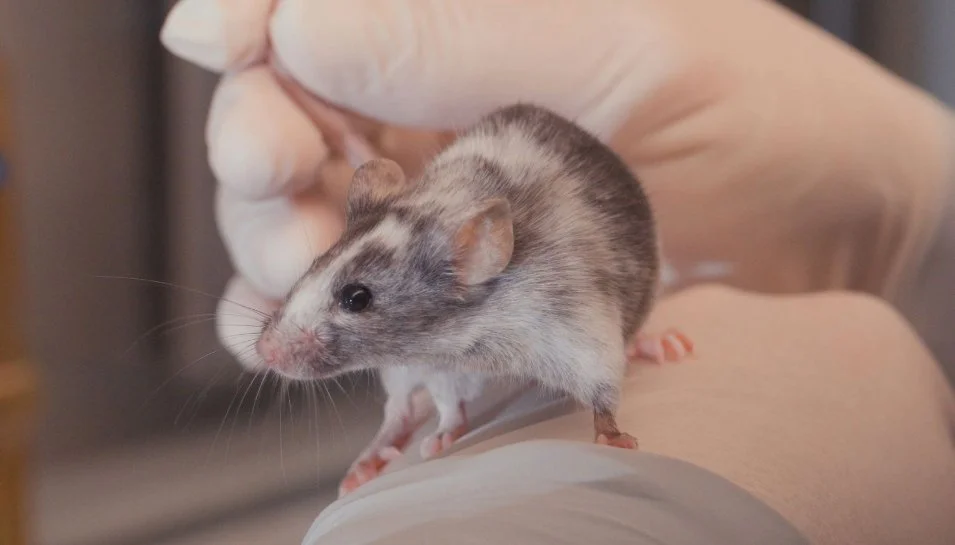
Image by Depositphotos
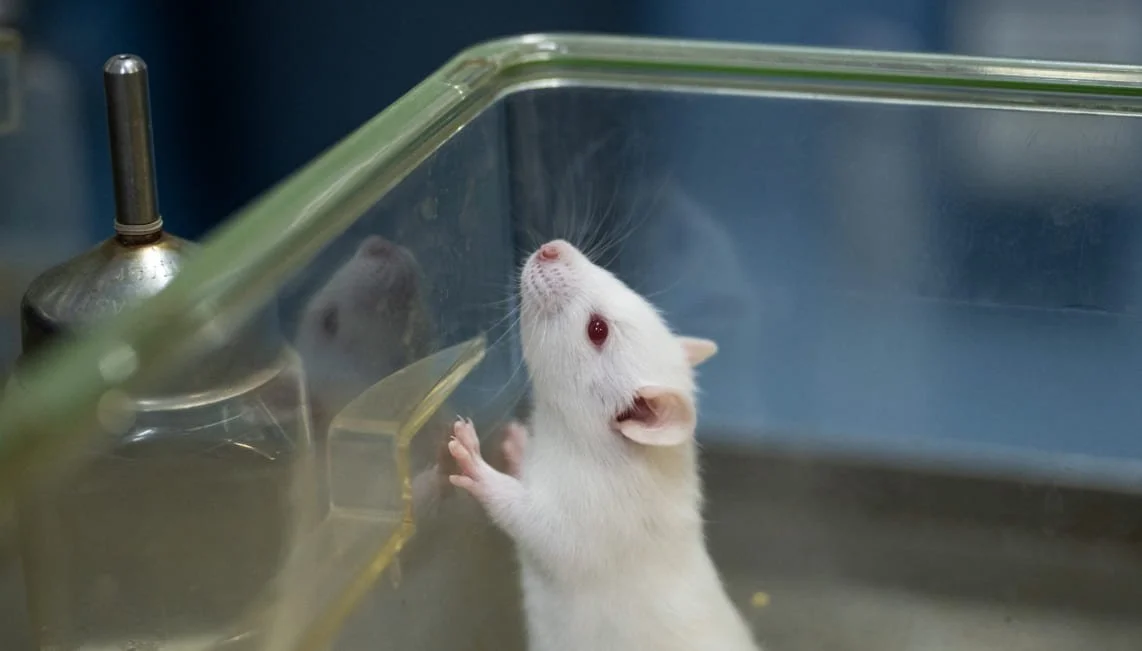
Within the scientific community, there remains a strong preference for the use of animal models, even when viable alternative methods exist. This is often due to tradition, a lack of funding to train staff, or even the particular interests of the institutions involved in the process (such as breeding facilities, animal facilities, research centers, and educational institutions). This bias negatively influences the peer review of scientific publications and the evaluation of research projects, hindering the continued development and acceptance of cruelty-free methods.
According to recent studies, peer reviewers of scientific journals and funding agencies often require in vivo experiments as additional validation. This occurs even when research uses much more advanced alternative methods and is backed by strong scientific evidence. This requirement creates high and unnecessary barriers to the implementation of alternatives and perpetuates the false notion that animal models are the “gold standard” in biomedical research. Reality has shown that thousands of these experiments often fail when applied to humans, sometimes causing dangerous adverse effects on our health, in addition to unjustifiably claiming the lives of the animals involved.

Image by Depositphotos
Regulatory barriers to the implementation of alternatives
Although regulatory agencies such as the OECD, the FDA, and the EMA have begun to accept certain alternative methods for toxicity and safety testing, the full transition and validation of these processes for publication remain slow and bureaucratic.
Among the most significant regulatory barriers are:
Lack of international harmonization: Differences in the acceptance of alternative tests across different regions make it difficult to implement them globally.
Extensive validation requirements: Alternative methods must undergo rigorous approval processes to demonstrate their "equivalence" to animal-based methods, which significantly delays their adoption.
Resistance from regulated industries: Sectors such as the pharmaceutical and cosmetics industries have relied on animal models for decades. Adapting to the new systems involves making significant operational changes and restructuring costs (which are not necessarily higher, but do require an initial investment).
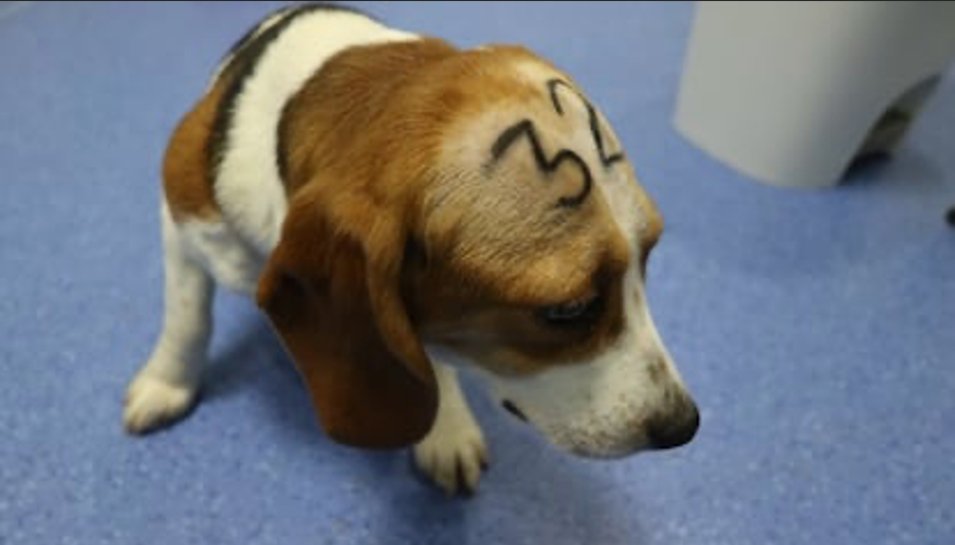
Image by Depositphotos
Technical Challenges in Implementation
Despite enormous progress in biotechnology, alternative methods still face technical challenges that limit their ability to reduce and completely replace animal testing. Some of the main ones are:
Limitations in biological replication: Although organs-on-a-chip and organoids are making significant progress each year, researchers are still refining their ability to fully replicate the complex systemic interactions of a living organism.
Difficulties in extrapolating data: Certain in vitro models still pose challenges when it comes to accurately simulating the absorption, metabolism, and excretion of substances in a comprehensive manner.
Lack of access and transition costs: Implementing these new methodologies requires up-to-date equipment and high-quality training. This may necessitate budgetary adjustments that limit their accessibility in countries or institutions with fewer resources.
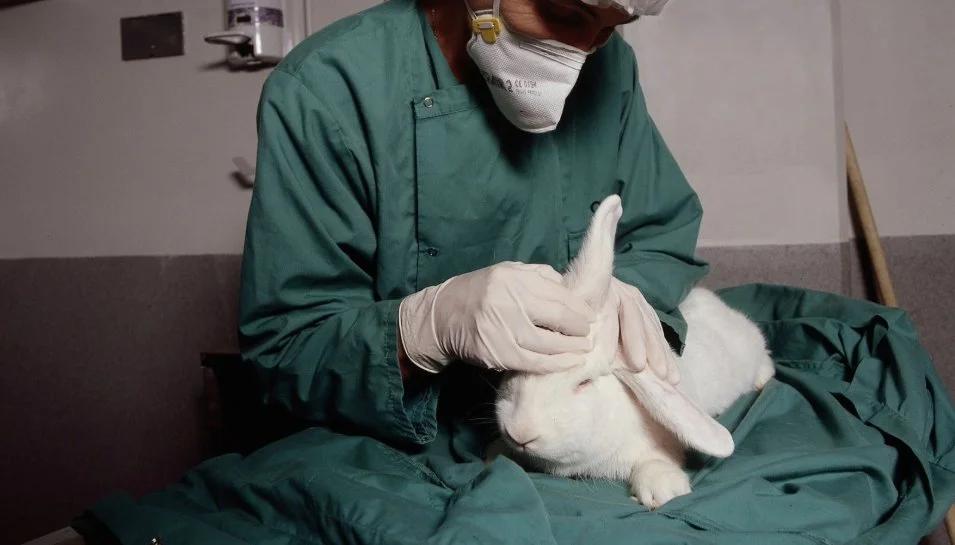
Image by Depositphotos
Strategies for Overcoming Limitations
To achieve an effective transition to science free of animal experimentation, it is essential to address these challenges through specific actions:
Education and Awareness: Promote the development and understanding of new alternative technologies within the scientific and regulatory communities.
Technology Investment: Expand funding to improve the accuracy, accessibility, and democratization of alternative models.
Regulatory reforms: Streamline validation processes and promote greater acceptance of new alternatives in international regulations.
Cultural Change: Promote editorial policies that eliminate bias toward animal-based methods in scientific publications and ensure equitable funding for research.
Image by Depositphotos
The Path to the Future
While alternative methods hold the key to eliminating animal experimentation, their implementation faces multiple barriers that must be addressed comprehensively and urgently. Scientific bias, regulatory obstacles, and technical limitations are slowing the adoption of these methodologies. However, with appropriate strategies for investment, education, and political will, it is possible to accelerate the transition toward a science that is more ethical, efficient, and truly aligned with human biology. The complete eradication of animal testing will depend on the unwavering and global commitment of researchers, policymakers, industry, and society as a whole.
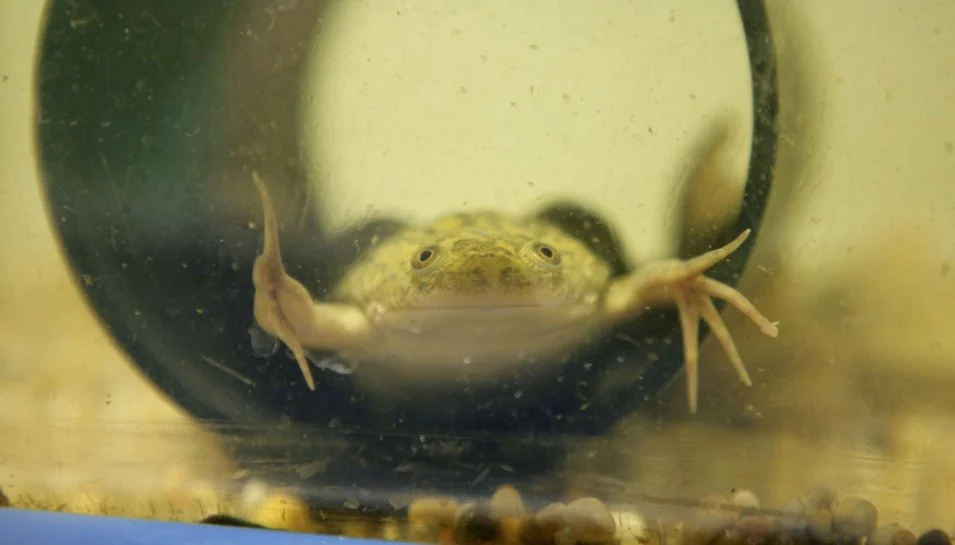
Image by Depositphotos
Find out which laboratories are working with alternative methods here.