How do researchers determine the toxicity of a chemical?
The assessment of chemical toxicity is a complex process that combines various scientific approaches. This article reviews the main methods used and the alternatives aimed at reducing the use of animals in these types of studies.
Globally, there are a large number of chemicals registered for production and use. However, only a fraction of them have been thoroughly evaluated for toxicity, due to factors such as costs, evaluation timelines, ethical considerations, and regulatory limitations.
To protect public health, agencies such as the U.S. Environmental Protection Agency, the U.S. Food and Drug Administration, and the European Chemicals Agency evaluate the safety of potentially hazardous substances to which people may be exposed.
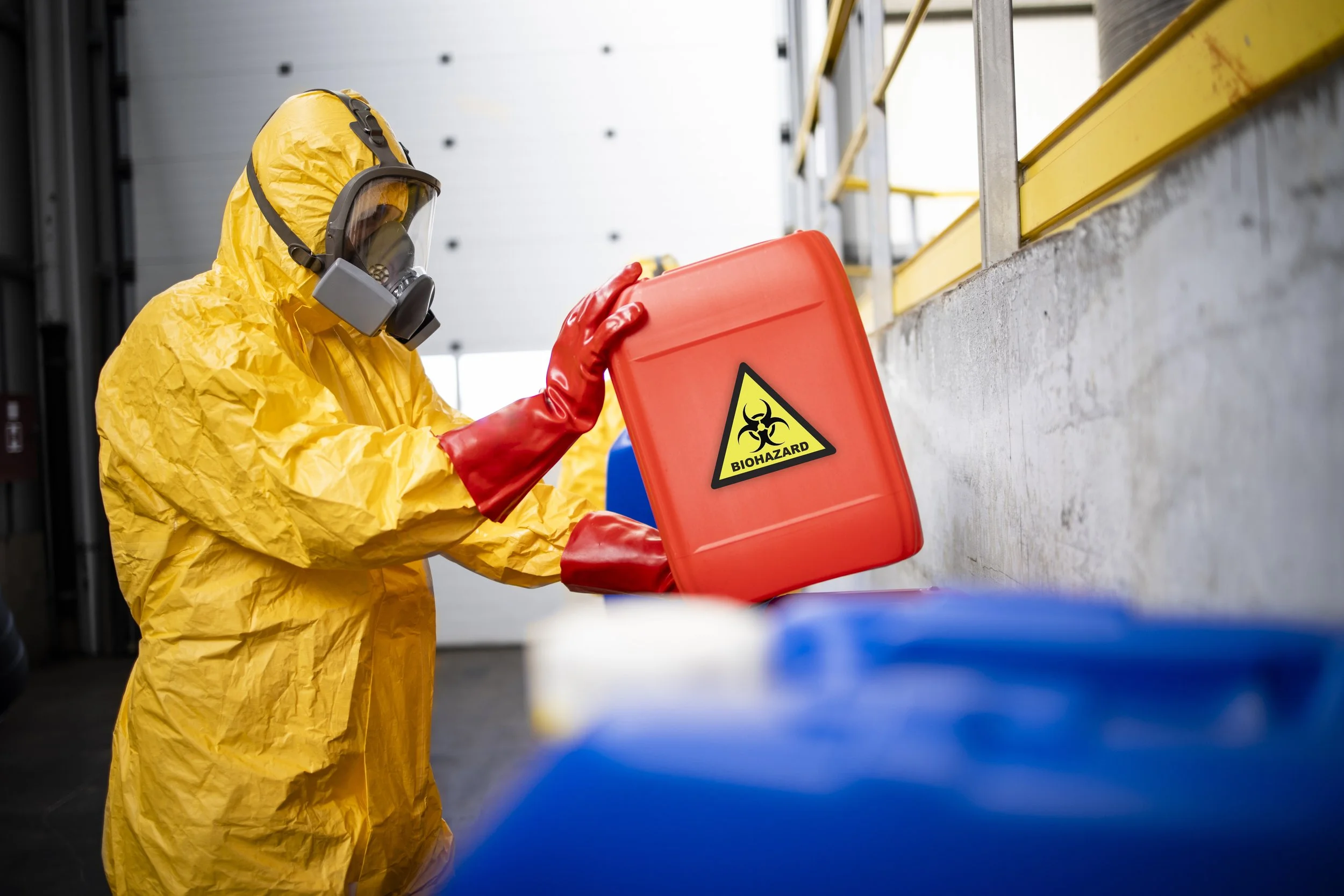
Image by Depositphotos
These include volatile organic compounds, such as formaldehyde; air pollutants, such as nitrogen dioxide; substances found in consumer products, such as bisphenol A; and herbicides such as atrazine. In recent years, so-called persistent environmental substances, such as perfluorooctanesulfonic acid and perfluorobutanesulfonic acid, have also gained prominence due to their potential impact on human health.
Despite these advances, there are thousands of substances used by industry that have not been thoroughly evaluated. For this reason, they are typically prioritized for study based on criteria such as exposure levels, potential risk, and the feasibility of analysis.
Toxicity and Chemical Safety Testing
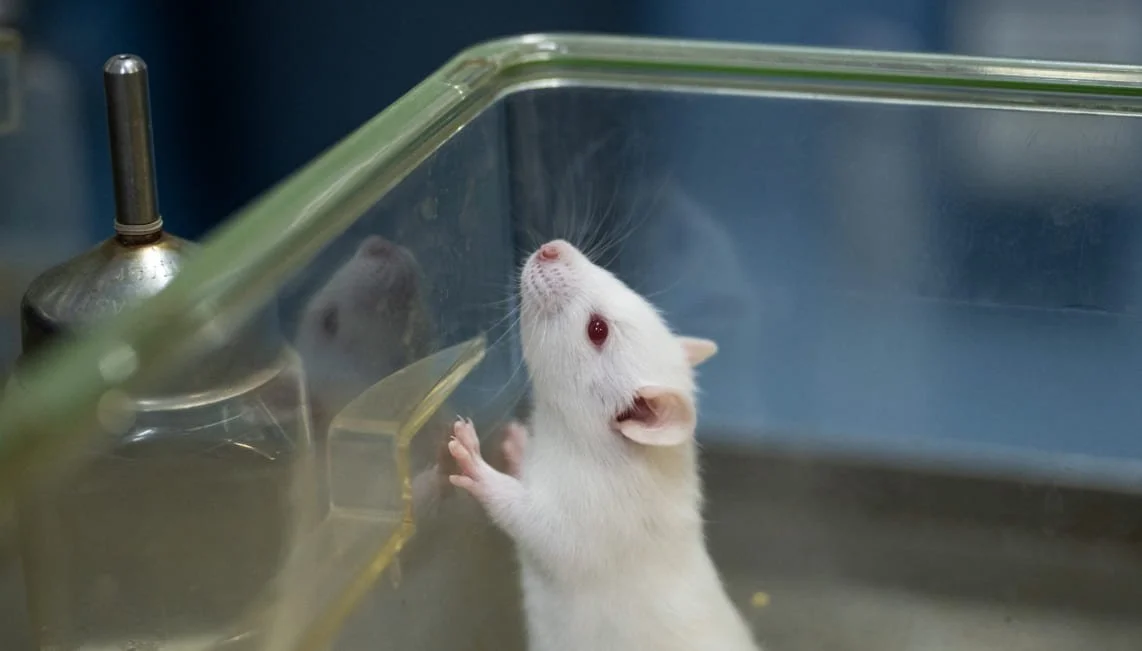
Historically, the safety of chemicals has been assessed through biological tests, also known as bioassays. These involve exposing nonhuman animals—usually rodents such as rats or mice—to a substance under controlled conditions to observe its biological effects and potential risks.
These studies are designed to analyze various types of effects, including those that occur immediately, those associated with short- and long-term exposures, and reproductive or developmental effects. Their use is based on the premise that the results can provide relevant information for estimating potential effects in humans. However, this approach has significant limitations.
One of the main challenges is extrapolating results across species. Differences in anatomy, physiology, biochemistry, and genetics can influence how a substance affects animals and humans. In some cases, compounds that are highly toxic to humans may not produce the same effects in other species.
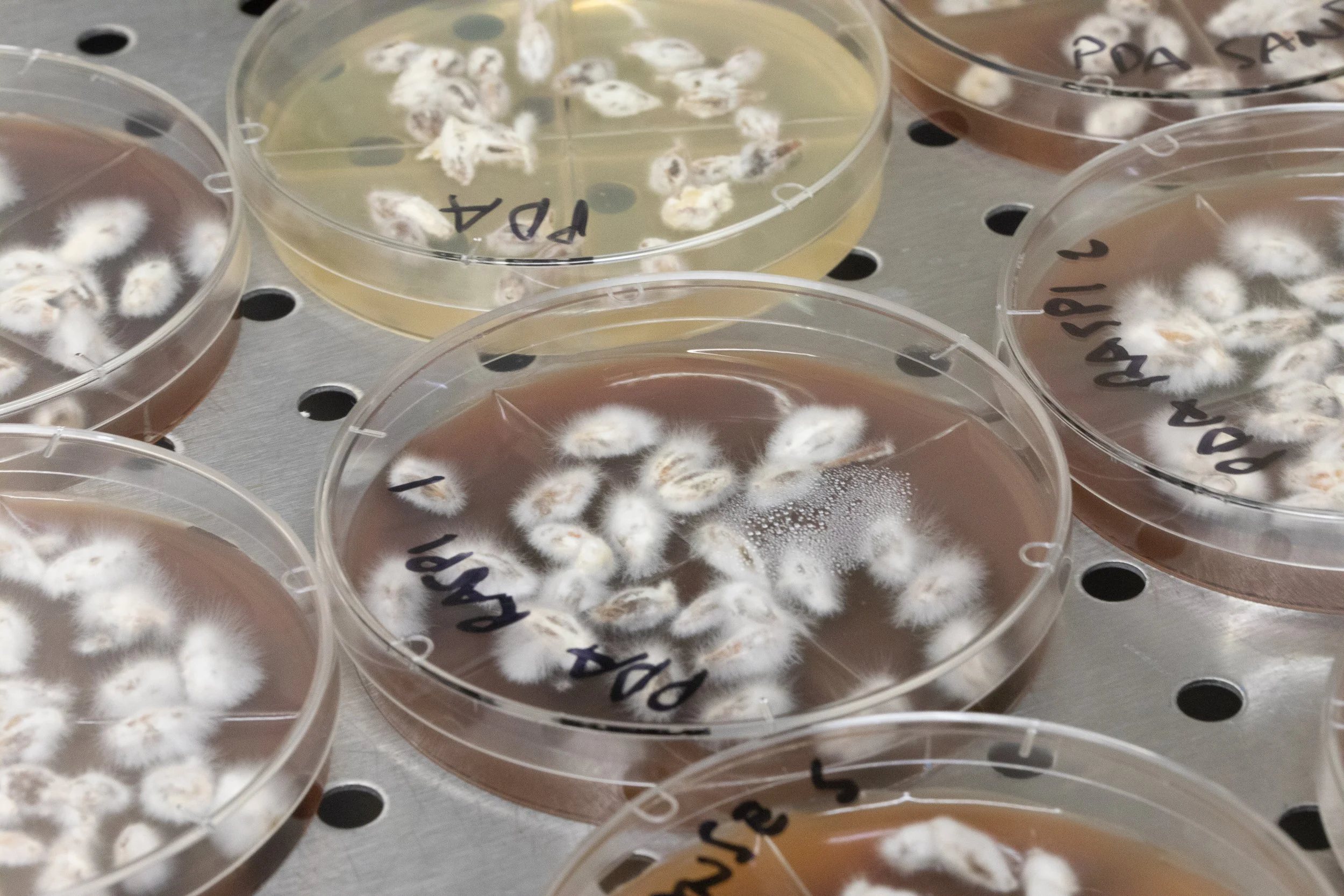
Image by Depositphotos
In addition, these studies are costly and time-consuming. For example, a full battery of toxicological tests can take several years and require a significant investment, which limits the number of substances that can be evaluated in depth.
There are also ethical concerns regarding the use of animals to assess the toxicity of chemicals. In response, various government agencies and private organizations have promoted strategies aimed at replacing, reducing, or refining their use in research and testing.
In this context, various alternatives have been developed to assess chemical safety without using animals. These are known as “new approach” methodologies and seek to generate results relevant to humans, based on sound scientific principles. In addition, they aim to be more efficient in terms of time and cost, and to have broader applicability in various contexts.
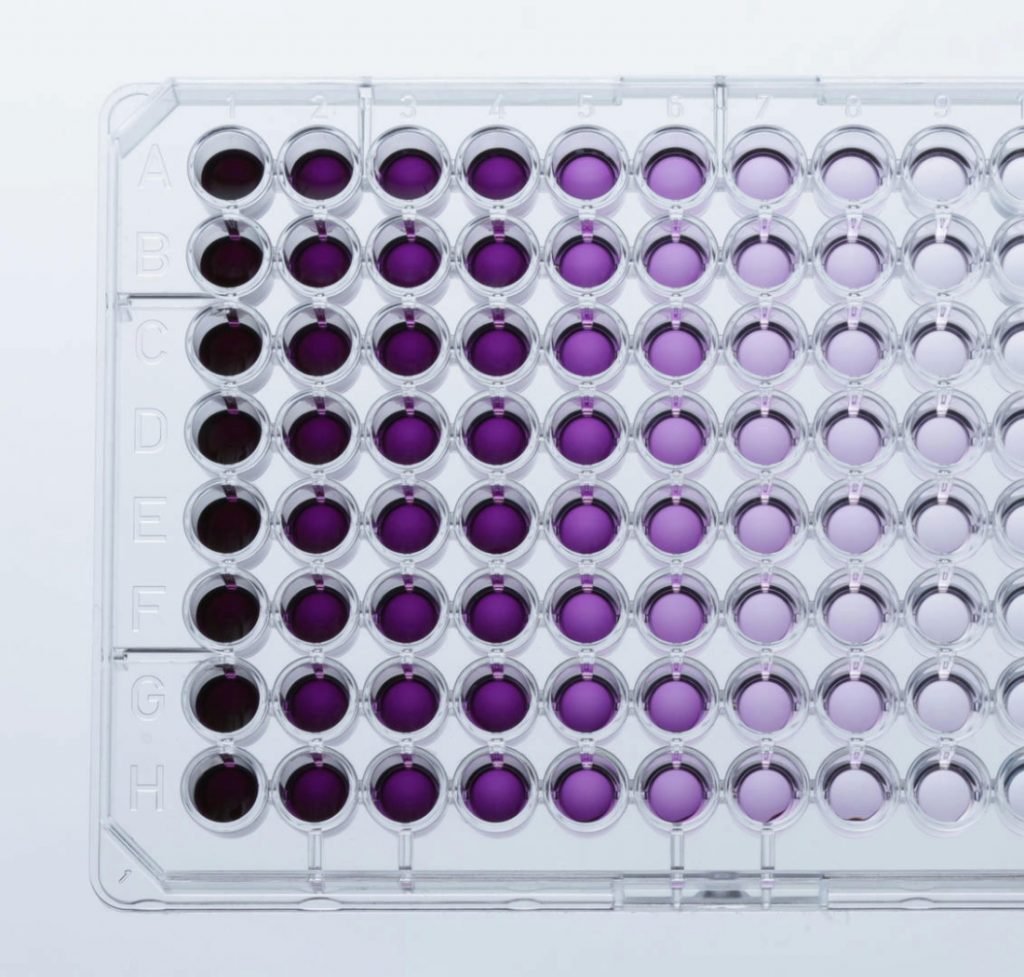
Image by Depositphotos
In vitro tests
In vitro tests involve exposing biological materials, such as human cells or microorganisms, to different concentrations of a chemical substance to evaluate its effects. This type of testing allows for greater control over experimental conditions, facilitates the obtaining of results in less time, and enables the simultaneous analysis of multiple substances.
Programs such as ToxCast, developed by the U.S. Environmental Protection Agency, use these types of methodologies to study thousands of chemicals.
There are different types of in vitro tests, each designed to evaluate specific aspects of toxicity. For example, cell viability assays analyze the impact of a substance on cell survival and growth; genotoxicity assays determine whether it can damage genetic material; and receptor-binding assays evaluate the interaction of chemicals with specific proteins, which could trigger adverse effects.

Image by Depositphotos
One type of in vitro cellular model is organotypic cultures, which are derived from actual tissues or organs. These models retain the structural and functional characteristics of the tissue of origin. There are also three-dimensional models generated from self-organizing cells, such as organoids and bioprinted tissues, which can be adapted to represent specific organs such as the liver, skin, or heart.
On the other hand, microphysiological systems—known as “organs-on-a-chip”—use miniature three-dimensional cell cultures to simulate the functioning of various organs, such as the liver, heart, or lungs. Using these models, it is possible to assess a substance’s toxicity across multiple systems, as well as its metabolism and potential effects on the body.
These types of methodologies make it possible to study the impact of chemicals in a more integrated way, overcoming the limitations of models that analyze organs in isolation.
In-situ Methods
In chemico assays are laboratory experiments that analyze how chemical substances interact with biological components, such as proteins or lipids, in controlled systems outside an organism. This type of test allows for the study of the basic mechanisms of chemical interaction under simplified conditions.
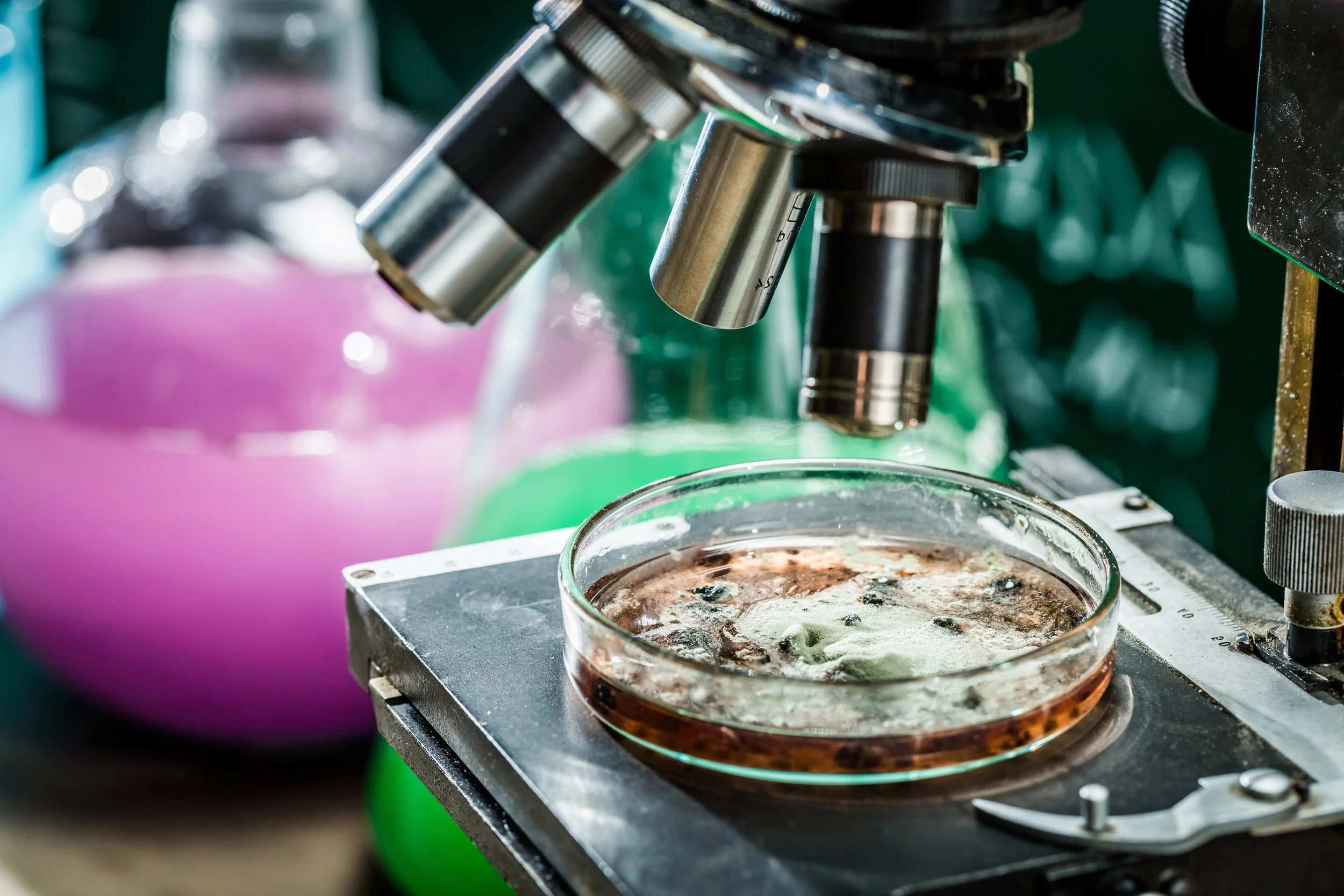
Image by Depositphotos
Compared to in vitro methods, in chemico assays are generally faster and require fewer resources. Furthermore, they do not use living cells or tissues, which reduces the ethical concerns associated with other approaches.
However, their biological relevance is limited, as they do not allow for the representation of the functioning of an entire organism. Therefore, they are not suitable for evaluating more complex effects of toxicity, such as the impact on integral cellular functions or on entire biological systems.
In silico methods
A key aspect of toxicity assessment is determining at what dose a substance begins to cause adverse effects—a process known as pharmacodynamics. It is also important to understand how the substance is distributed throughout the body, how long it remains active, and at what concentration it reaches various tissues—processes associated with pharmacokinetics.
When experimental data are limited, researchers turn to computational models or in silico methods. These allow researchers to estimate the dose-response relationship by comparing the substance to structurally similar compounds, based on the assumption that compounds with similar chemical properties may produce comparable biological effects.

Image by Depositphotos
Among these approaches are physiologically based pharmacokinetic models, which simulate how a substance behaves in the body by dividing the body into compartments, such as the liver, kidneys, or blood. There are also virtual tissue models and other tools that make it possible to anticipate potential adverse effects.
In silico methods offer several advantages: they are fast, efficient, and allow for the simulation of complex scenarios that would be difficult to reproduce experimentally. Furthermore, they can be easily replicated and help fill data gaps. However, their accuracy depends on the quality of the models and the available information, and challenges remain regarding their validation and use in regulatory contexts.
Regulatory Approval
The development of regulations that incorporate alternatives to animal testing continues to evolve and varies depending on the type of product and the regulatory context.
International organizations have made progress in this area. For example, the Organization for Economic Cooperation and Development has developed guidelines for assessing the effects of chemicals on human health and the environment.
Image by Depositphotos
Similarly, international cooperation initiatives have sought to promote the validation and adoption of alternative methods, with the goal of ensuring that they are scientifically sound, reliable, and applicable to regulatory decision-making.
This post was kindly translated by Gaby from Te Protejo. You can read the content in English at this link.
In this scenario, the development of methodologynew approaches remains key to moving toward models that reduce the use of animals. Further exploration of these approaches allows us to understand their scope in chemical safety assessment.