7 Movies That Address Animal Rights Issues
Movies have established themselves as one of the main forms of entertainment, offering opportunities for recreation and relaxation. In this context, streaming platforms have made it easier to access a wide variety of content—including movies, TV series, and documentaries—which are part of the available leisure options.
Beyond entertainment, these productions can prompt reflection on the various issues they address, fostering conversations that contribute to a greater understanding of animal rights. In this context, film serves as a tool that allows viewers to engage with these issues from an accessible perspective, integrating relevant content into leisure activities.

Image by Depositphotos
Rio
The animated film, released in 2011 and directed by Brazilian filmmaker Carlos Saldanha, addresses issues such as wildlife trafficking and the risk of species extinction.
The story follows Blu, a blue macaw who is captured and taken to the United States, where he is raised by a caregiver. Later, when it becomes apparent that he may be one of the last of his kind, a journey to Brazil is undertaken in an effort to find another bird of his species. The film’s main plot unfolds from this premise.
This production has been considered a good way to address these topics in educational and family settings, helping to foster an understanding of concepts related to animal protection. It is currently available on Disney+.
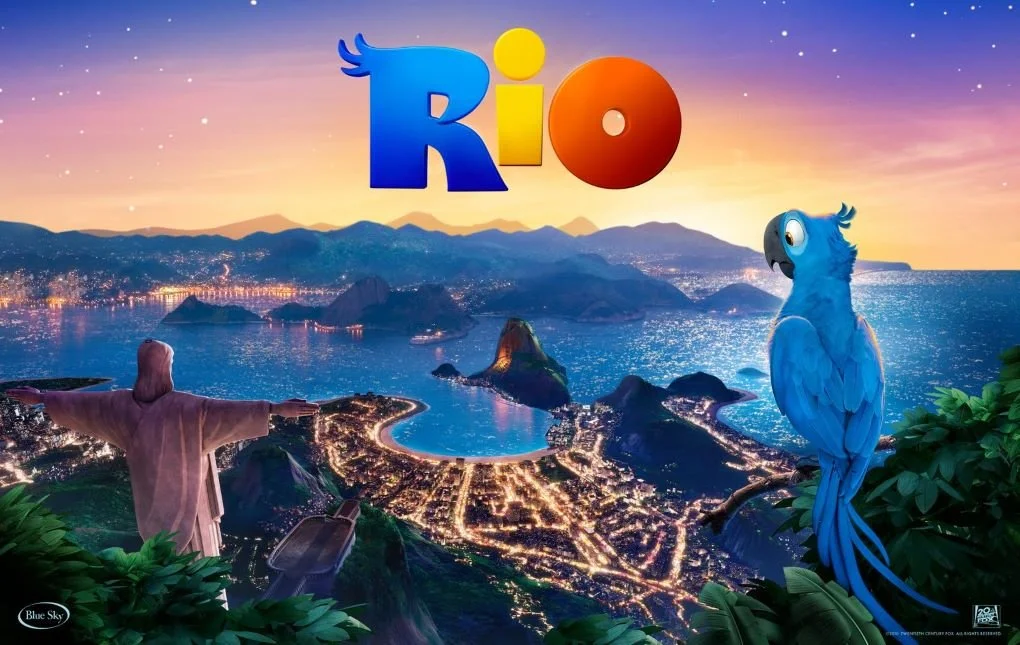
Image by Depositphotos
Dumbo
The original 1941 film, produced by Walt Disney Productions, was adapted into a live-action version that premiered in 2019 and was directed by Tim Burton.
While the original version emphasizes the rejection the protagonist faces because of his physical characteristics, the 2019 adaptation takes a broader look at the exploitation of animals and conditions of captivity.
The story introduces Dumbo, an elephant who is separated from his mother at a young age to be used as a circus attraction, addressing a reality that has been the subject of debate in various countries. In Chile, progress has been made in regulating the use of animals in entertainment, while internationally, this practice continues in some contexts.
Various studies have pointed out that the use of animals for entertainment can lead to situations of suffering, especially when commercial interests are prioritized over their well-being. This production is available on Disney+.
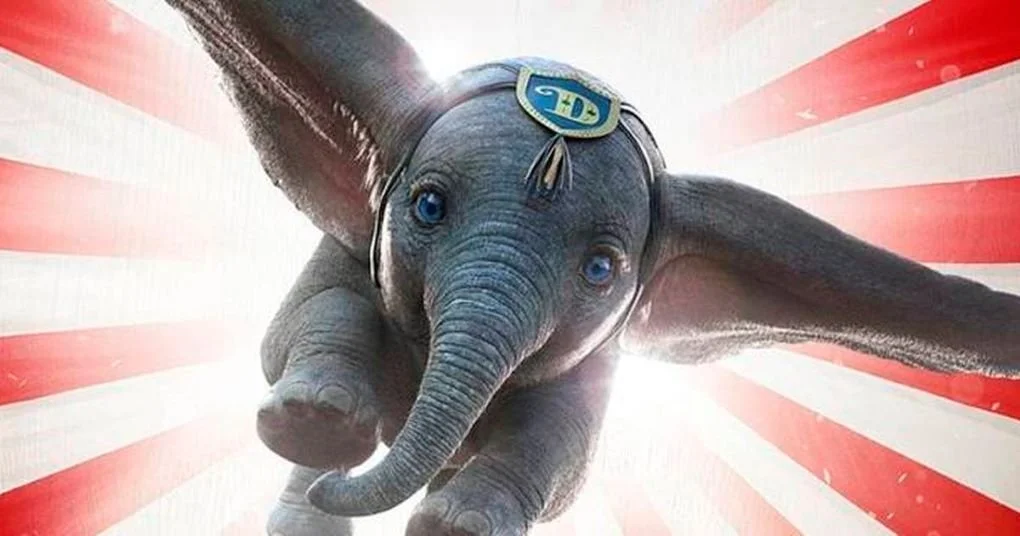
Image by Depositphotos
Blackfish
The American documentary directed by Gabriela Cowperthwaite premiered in 2013 and garnered international attention. The film focuses on the story of Tilikum, an orca involved in the deaths of three people while in captivity.
This research project is based on the case of Dawn Brancheau, a trainer who died following an incident with the animal. Building on this event, the documentary delves into the conditions under which orcas live in captivity and the practices of the entertainment industry.
The report also presents background information that has contributed to the debate on the welfare of these animals, including the frequency of incidents and their living conditions. It also addresses the explanations provided by SeaWorld regarding these cases.
This production addresses the plight of animals used for entertainment, shedding light on the conditions of their captivity and the implications thereof. It is available on platforms such as Apple TV, Google Play, YouTube, and Amazon Prime Video.
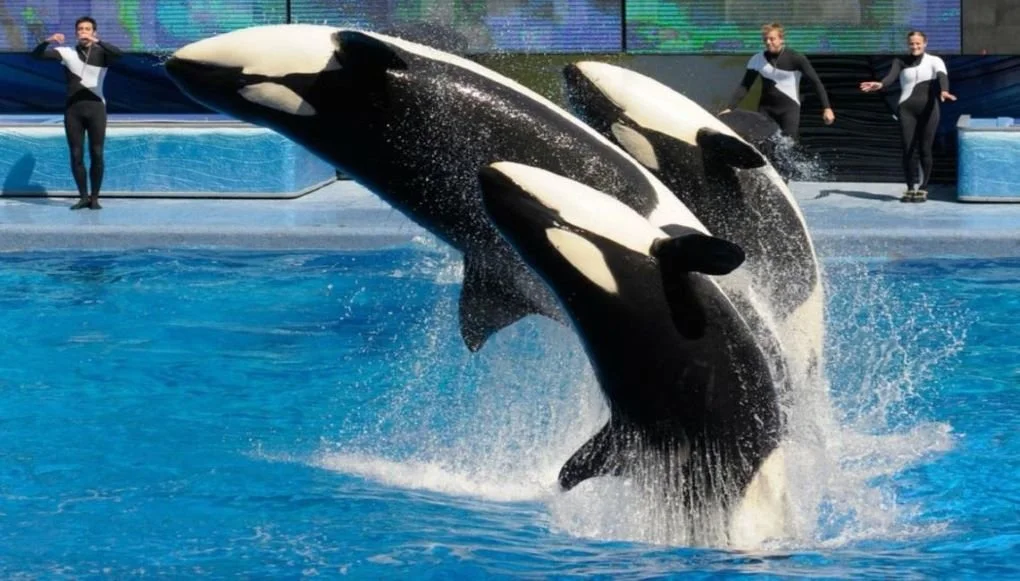
Image by Depositphotos
The Magnificent Iván
A film released in 2020, based on the book of the same name by Katherine Applegate, that explores themes related to the lives of animals in captivity. With a screenplay by Mike White and directed by Thea Sharrock, the story is inspired by the true story of a gorilla named Ivan, who was born in Africa in 1962 and later moved to the United States.
During its early years, it was kept in a home environment and later became part of an exhibit at a shopping center in Tacoma, where it remained for an extended period.
Over time, and following various initiatives led by organizations and individuals, he was transferred to a zoo, where he enjoyed better living conditions. This series offers a glimpse into the reality of animals that have been used for entertainment purposes and is available on Disney+.
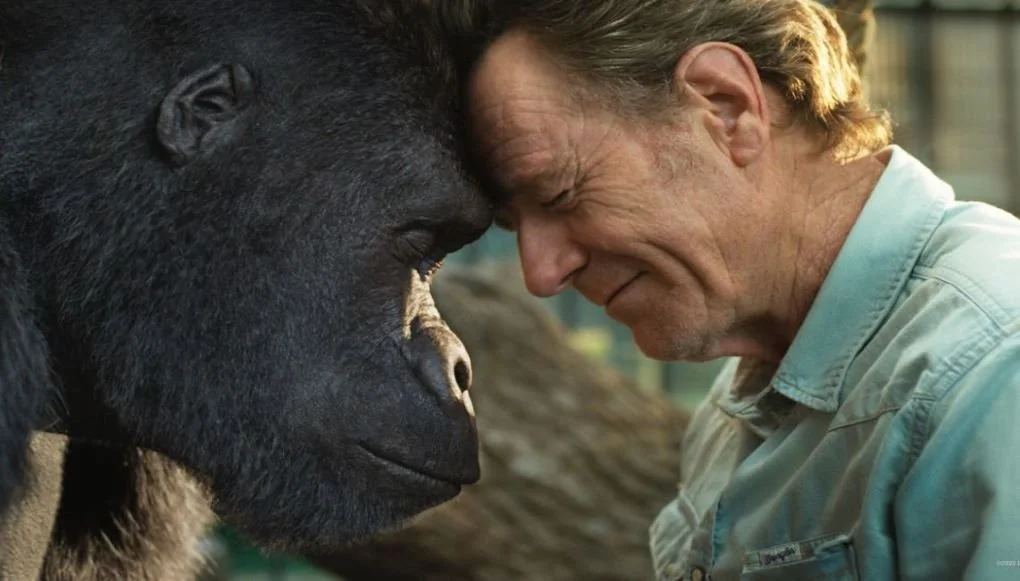
Image by Depositphotos
Cruella
The character's story originates in the novel *101 Dalmatians*, written by Dodie Smith in 1956, which was later adapted into an animated film in 1961 by Walt Disney Productions. In this work, the character Cruella de Vil is portrayed as seeking to use the fur of Dalmatian puppies to make clothing.
In 2021, a new film centered on this character was released, exploring her origins and development and examining Estella’s transformation into Cruella de Vil. While the film focuses on the protagonist’s story, it also prompts reflection on the use of animal fur in the fashion industry.
It has also been noted that the rise in popularity of certain breeds following their appearance in audiovisual productions can lead to an increase in demand for them, which in some cases has been linked to abandonment and irresponsible breeding practices. In this context, various organizations have promoted adoption and responsible pet ownership as alternatives to address these issues. This production is available on the Disney+ platform.
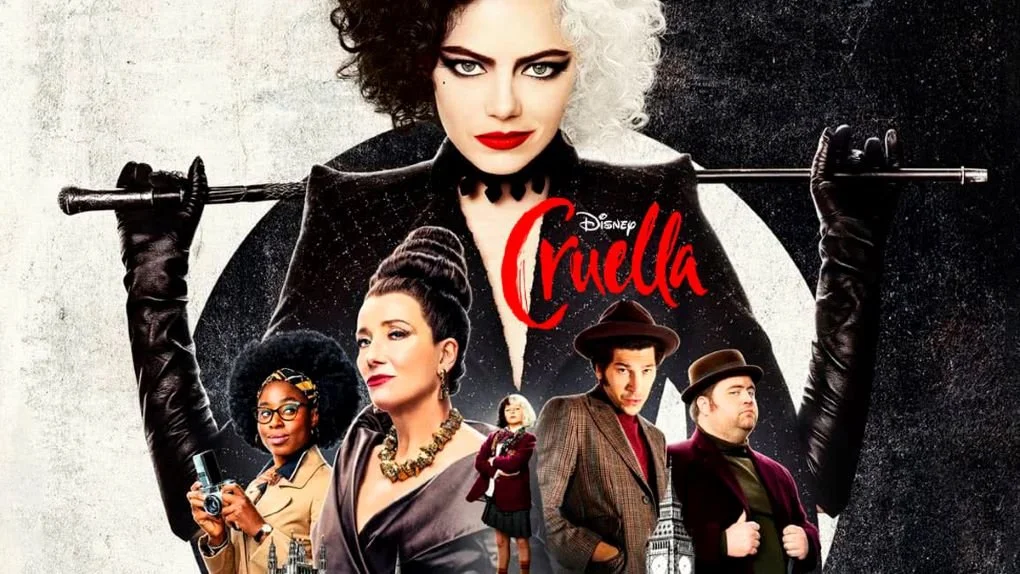
Image by Depositphotos
Babe, the Brave Little Pig
A film released in 1995, directed by Chris Noonan and based on the book *The Sheep-Pig* by Dick King-Smith. The story follows Babe, an orphaned piglet who is bought by farmer Arthur Hoggett at a fair. Upon arriving at the farm, he is welcomed by Fly, a sheepdog, which leads him to believe that he, too, can perform that role. Throughout the story, the protagonist faces the possibility of being sent to slaughter—a reality that is part of everyday life in animal production settings.
Actor James Cromwell, who played the farmer Hoggett, has noted that the experience of living alongside the animals during filming influenced his decision to adopt a vegan diet, a point he has highlighted in various interviews over the years.
The film has been described as a production that, through a family-friendly narrative, encourages reflection on the relationship between people and farm animals, as well as on the roles assigned to them based on their usefulness. Available for rent on Apple TV, Prime Video, Google Play, and Claro Video.
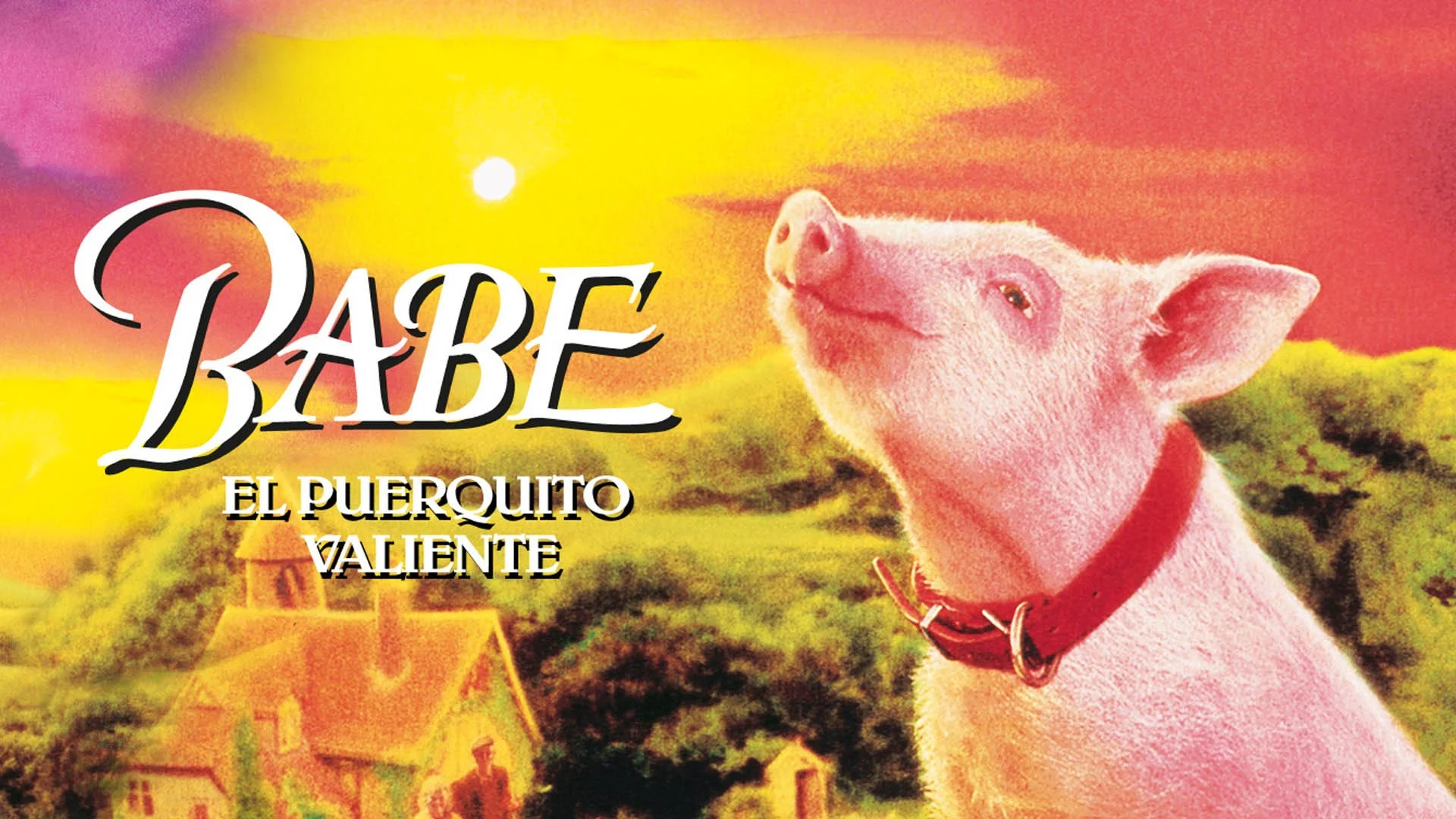
Image courtesy of Prime Video
Chicks on the Run 2: The Origin of Chicken Nuggets
Sequel to the animated film *Chickens Run* (2000), released in 2023 and produced by the British studio Aardman Animations using stop-motion animation. The story takes place after the events of the first film, in which a group of chickens managed to escape from a farm. This time, Ginger and Rocky live with their daughter Molly on an island that serves as a sanctuary for the birds. However, when Molly discovers the existence of a high-tech farm on the mainland—presented as a safe haven for chickens but actually intended for the industrial production of chicken nuggets—a new rescue mission begins.
The show uses a lighthearted, family-friendly format to explore topics related to the food industry and the commercial processing of animals, offering a glimpse into the conditions under which some poultry production takes place. It is available on Netflix.
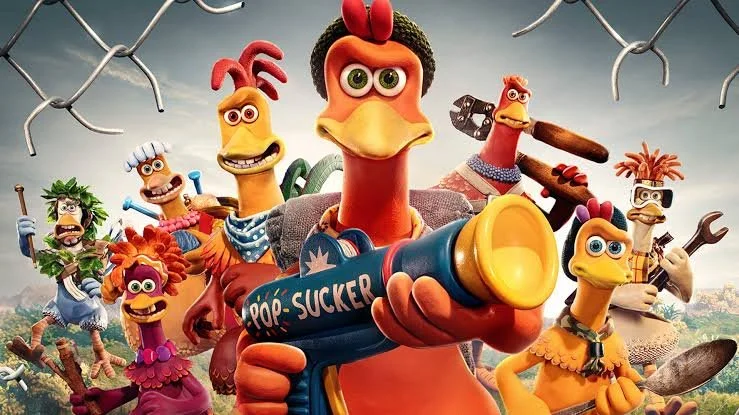
Image courtesy of IMDb
These stories invite us to reflect on how animals experience their environment and the impact of various human practices. Explore this perspective further in the article How long does a minute last for an animal?.