Plant-based proteins?
Surely, those who have adopted a plant-based diet—such as vegetarianism or veganism—have heard the question, “Where do you get your protein?” In this context, it is important to provide clear information that helps people better understand this aspect of nutrition.
Regardless of the type of diet, it is essential to maintain a varied and balanced diet. It is recommended that a significant portion of one’s diet consist of natural foods, which can contribute to a healthy lifestyle, especially when combined with physical activity and adequate rest.
In recent years, there has been an increase in the consumption of protein supplements. This phenomenon has been linked, among other factors, to a greater supply on the market and promotional strategies that have driven their use. Humans require between 10% and 15% of their daily calories from protein, which is equivalent to approximately 0.8 to 1 gram per kilogram of body weight, according to recommendations from the World Health Organization. As part of a varied diet, these requirements can be adequately met through food.

Image by Depositphotos
It is possible to meet daily protein requirements through a plant-based diet. This can be achieved by incorporating protein sources into various meals throughout the day. Furthermore, prioritizing natural foods not only helps meet nutritional needs but can also support digestive health and overall well-being by promoting a balanced diet.
When discussing plant-based proteins, legumes are often considered one of the main sources due to their versatility and nutritional value. However, on their own, they do not contain all the essential amino acids in adequate proportions, so it is recommended to combine them with grains, either in the same meal or throughout the day.
On the other hand, there are plant-based foods that contain all nine essential amino acids, such as quinoa, amaranth, and buckwheat, which is why they are considered sources of high-biological-value protein. Other plant-based foods that provide protein include soy, chia, and sesame, as well as vegetables such as broccoli, artichokes, and avocados.
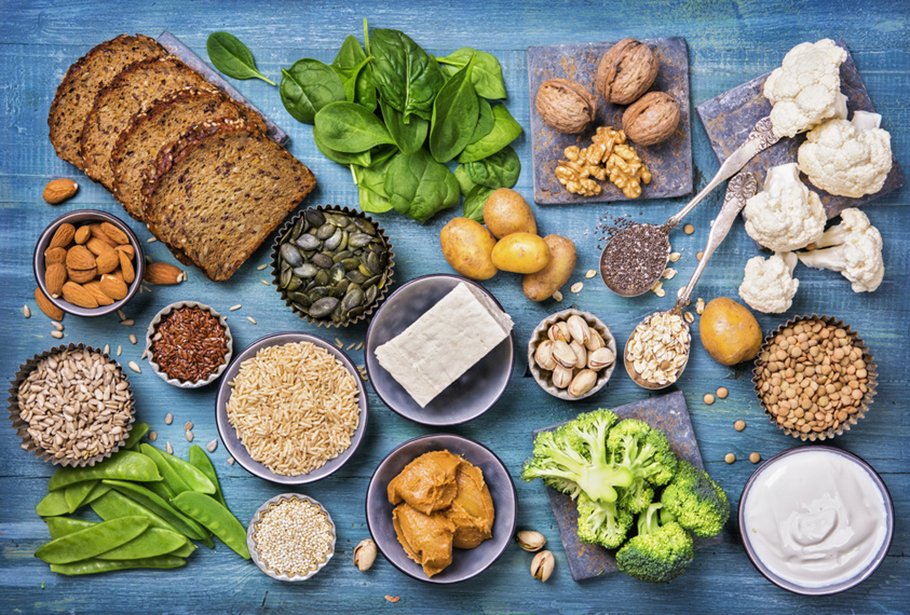
Image by Depositphotos
If you have difficulty incorporating plant-based proteins into your daily diet, it is recommended that you consult a nutrition professional, who can provide guidance based on your individual needs and circumstances. There are stages of life when protein requirements may increase, such as in people who engage in high-intensity physical activity, as well as in certain health conditions. During adolescence and pregnancy, these requirements can rise to approximately 1.2 to 1.5 grams of protein per kilogram of body weight, which can be met through a balanced diet.
Adopting informed consumption habits is also linked to more ethical decisions in various areas, including how products are developed.
To help you learn how to change your eating habits, we recommend that you join our free program, " Tu Compromiso Cruelty Free." Check out all the information at www.tucompromisocrueltyfree.org