From A to Z: The Fashion Industry's Impact on the Planet
Consumer choices can influence the fashion industry’s impact, taking into account both the products purchased and the places where these purchases are made.
In 2021, the sustainable development of the fashion industry was addressed through the online course “The Future of Fashion: The Sustainable Development Goals,” offered by Fashion Revolution and available for free in English. These types of initiatives provide an opportunity to delve deeper into the industry’s impact on the environment and society. While there is greater awareness of the industry’s environmental consequences, its impact on working conditions—including violations of the rights of people working in this sector—has also come to light.
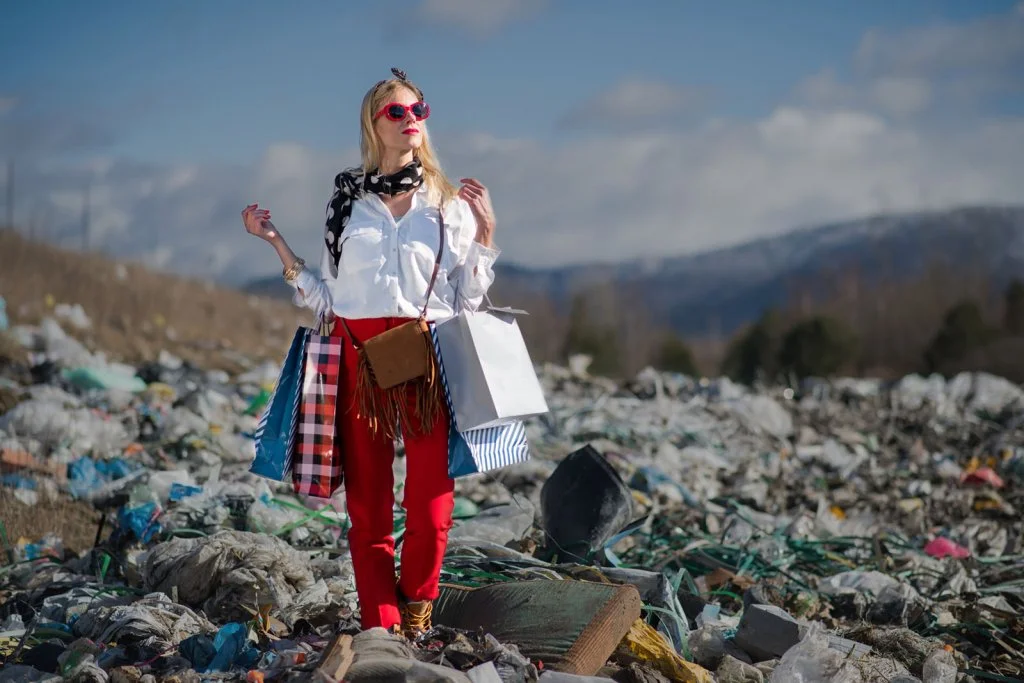
Image by Depositphotos
In this context, we present some of the key ideas discussed regarding the functioning of the fashion industry and its impact, along with alternatives for promoting changes in consumer habits.
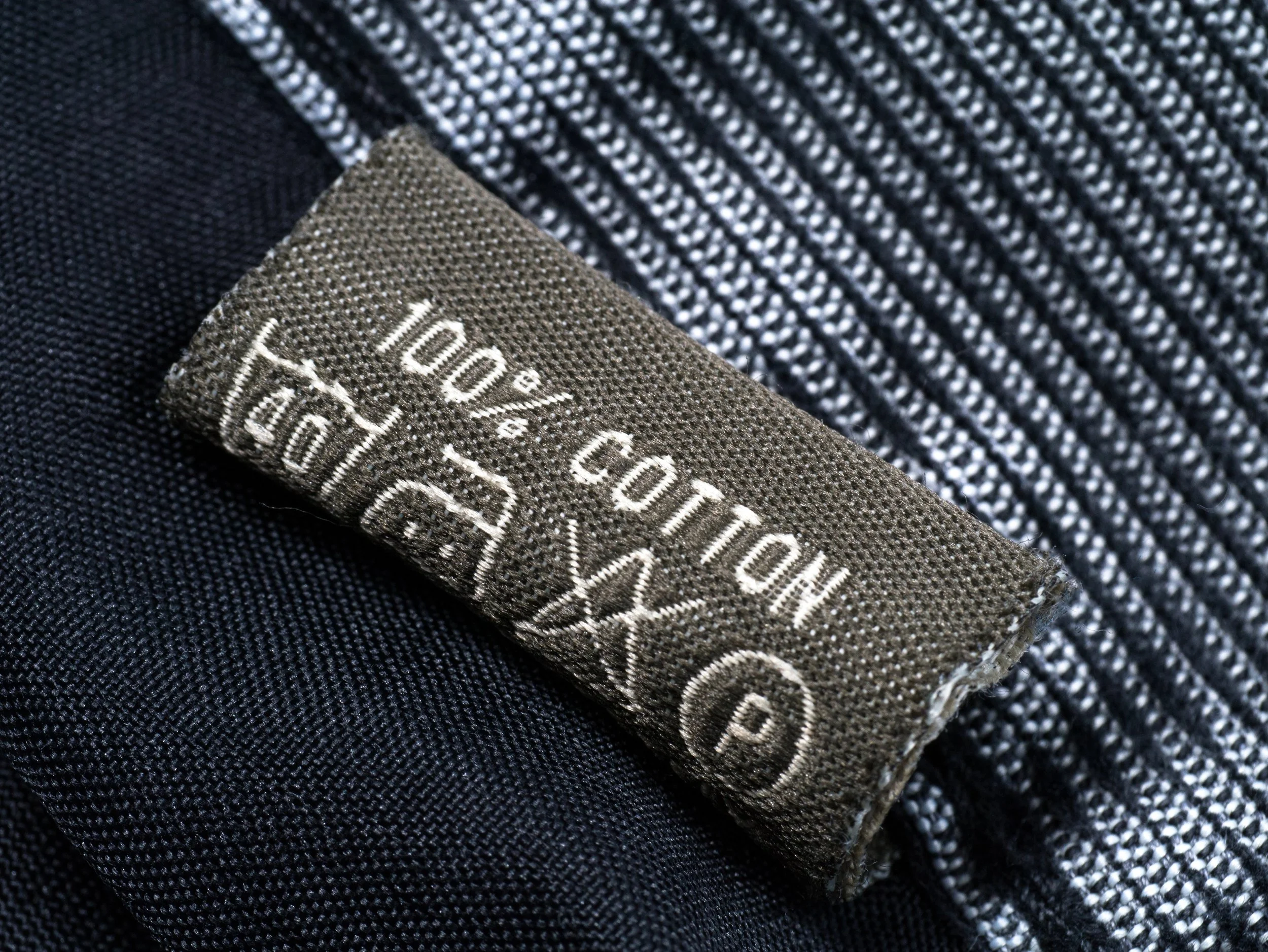
A. Cotton
It is estimated that it takes about 10,000 liters of water to produce 1 kg of cotton, which is roughly equivalent to making six shirts. Conventional cotton farming is associated with high water consumption and the use of pesticides, both of which can affect the balance of ecosystems and biodiversity. In contrast, certified organic cotton relies heavily on rainwater and restricts the use of synthetic pesticides.
B. Textile Waste
It is estimated that a high proportion of clothing produced worldwide ends up in landfills or is incinerated, while only a small portion is reused or recycled. Given this situation, alternatives such as donating, exchanging, reusing, and recycling clothing have been promoted, with the goal of reducing the environmental impact associated with the industry.
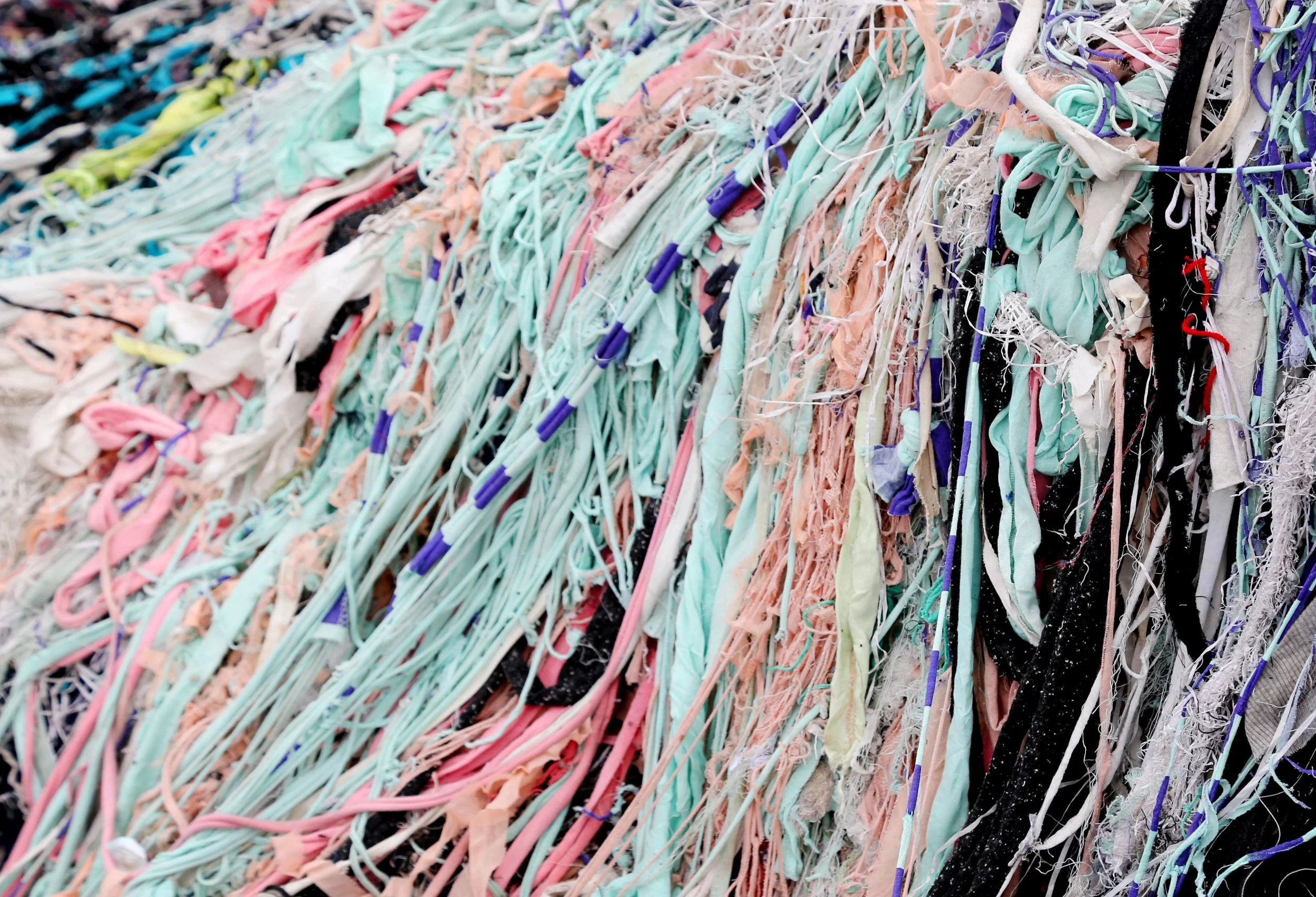
Image by Depositphotos
C. Responsible Consumption
The initiative encourages consumers to prioritize informed purchasing decisions, taking into account the durability and quality of garments. Options include buying secondhand clothing or choosing new garments made from durable materials and featuring superior craftsmanship. Additionally, the use of recycled and certified materials has been promoted, as higher-quality garments tend to have a longer lifespan.
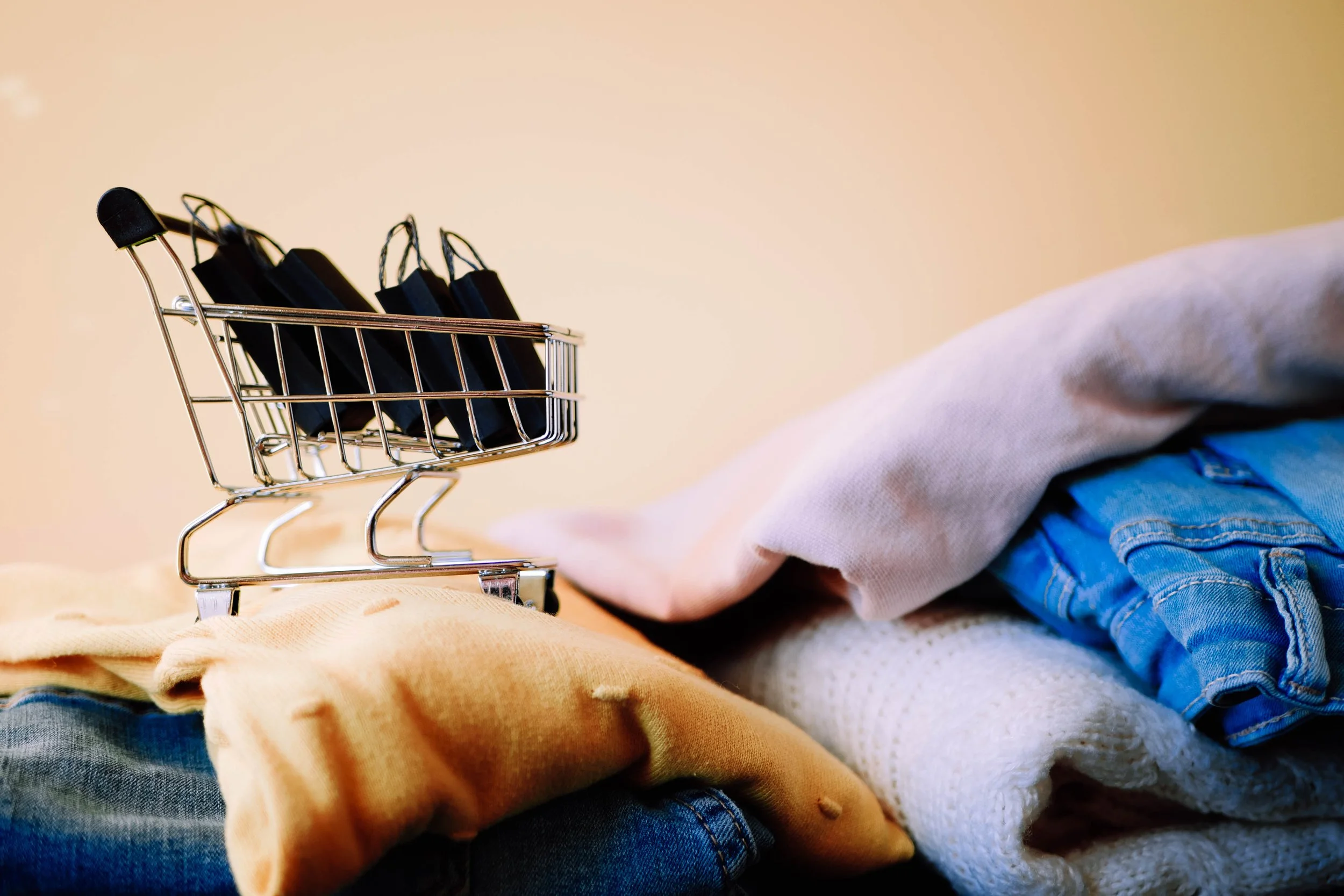
Image by Depositphotos
D. Deforestation
This phenomenon is linked, among other factors, to the production of fibers such as viscose, as well as to activities associated with the leather industry, such as the use of land for livestock. It is estimated that millions of trees are cut down for the production of cellulose-based textiles, such as viscose.
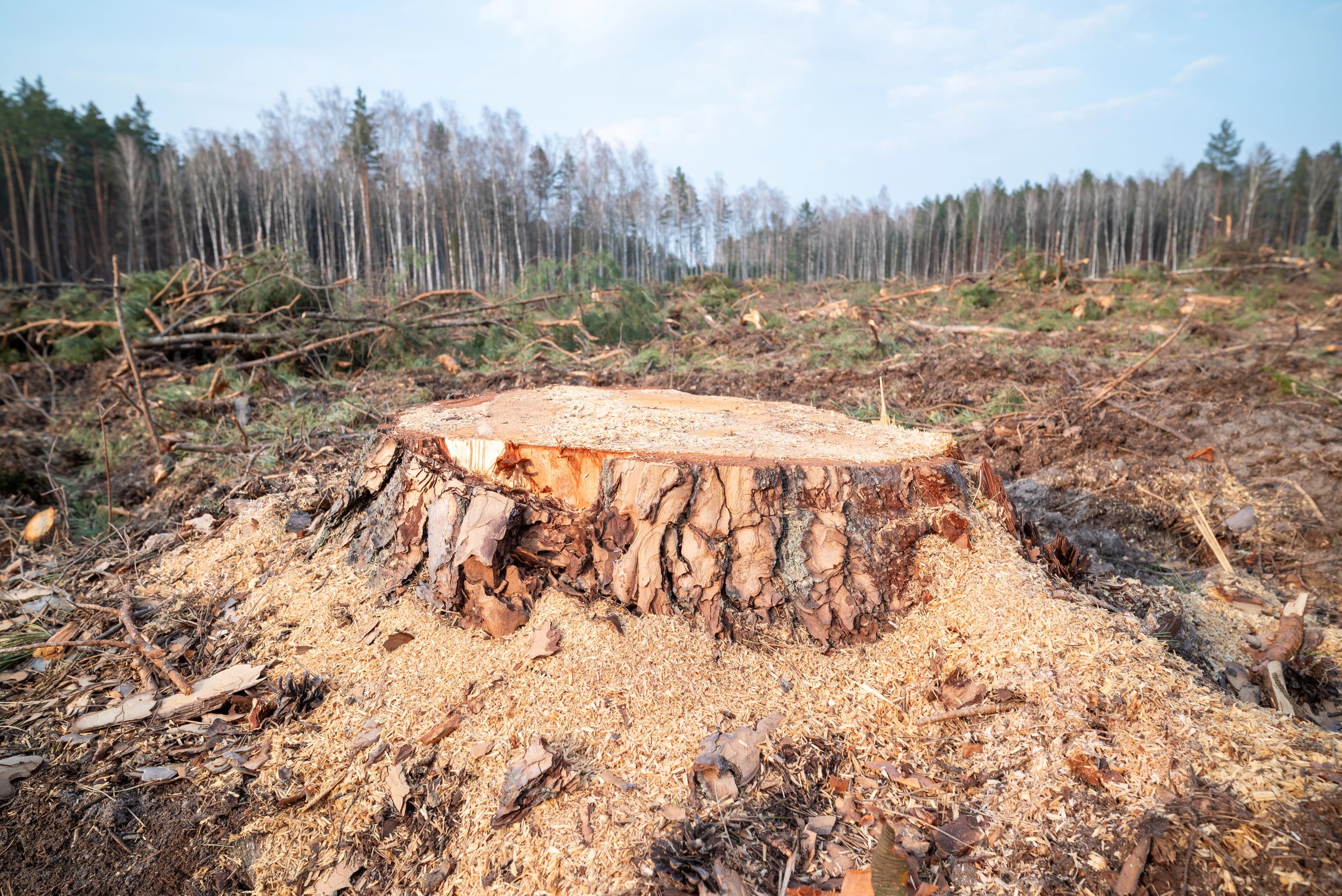
Image by Depositphotos
E. Labor Exploitation
According to the Walk Free Foundation’s Global Slavery Index, the fashion industry poses risks associated with labor exploitation, including forced labor, debt bondage, and human trafficking. Various reports have indicated that women and girls may be particularly affected by these conditions in certain contexts.
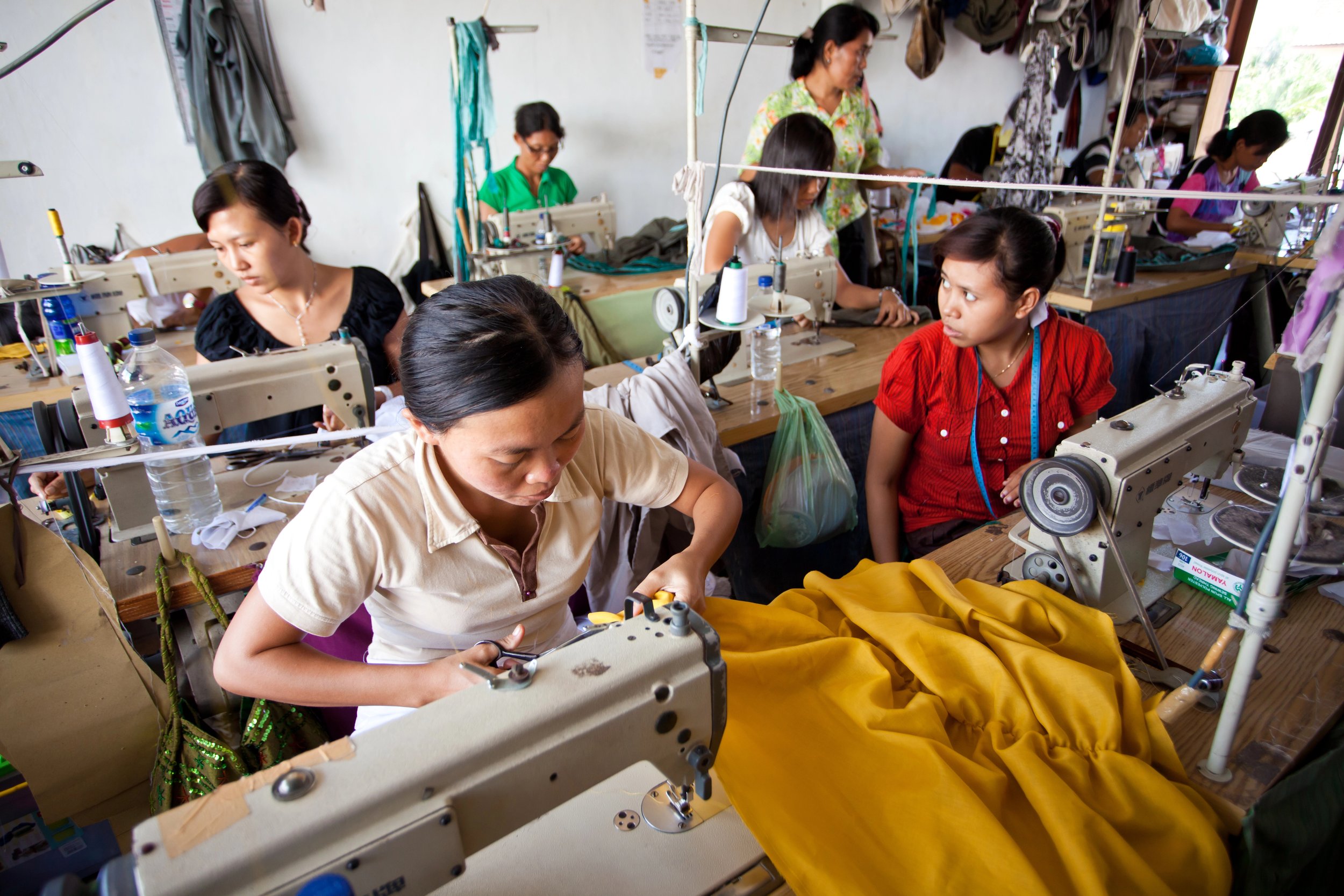
Image by Depositphotos
G. Globalization
Due to its massive scale, the fashion industry involves people at various stages of production worldwide. In this context, it has been observed that certain market dynamics promote rapid, low-cost production—a phenomenon known as “fast fashion.”
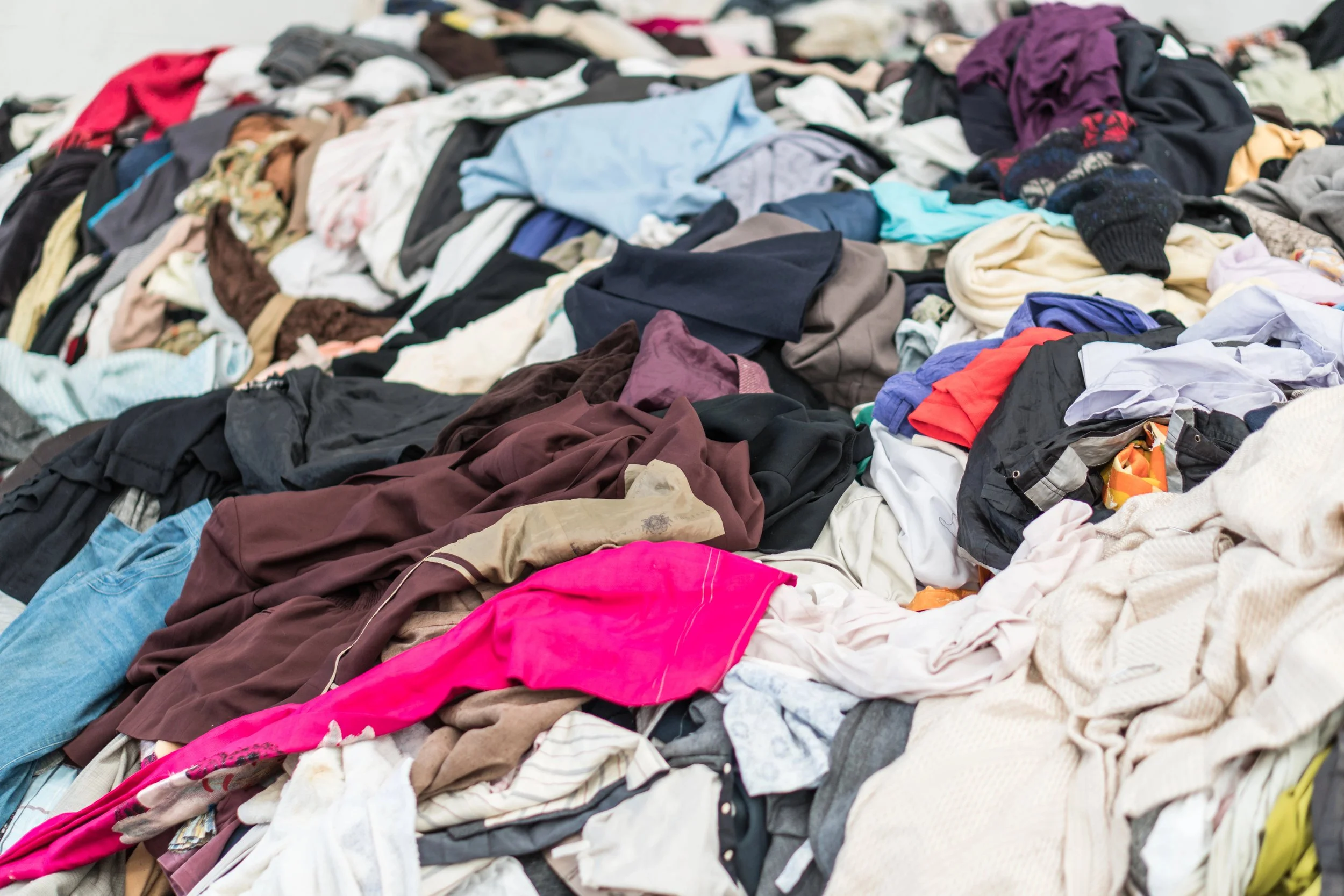
Image by Depositphotos
H. Participation
Questions about how the fashion industry operates have spurred people to seek out more information and become more involved. Actions such as educating oneself, choosing more sustainable alternatives, or supporting responsible initiatives are part of the changes that have been promoted in this area.
I. Environmental Impact
It is estimated that the fashion industry accounts for between 2% and 3% of global greenhouse gas emissions, which is equivalent to about 1,200 million metric tons of CO₂ per year. A significant portion of this impact is concentrated in the supply chain, particularly in the stages of raw material sourcing and processing.
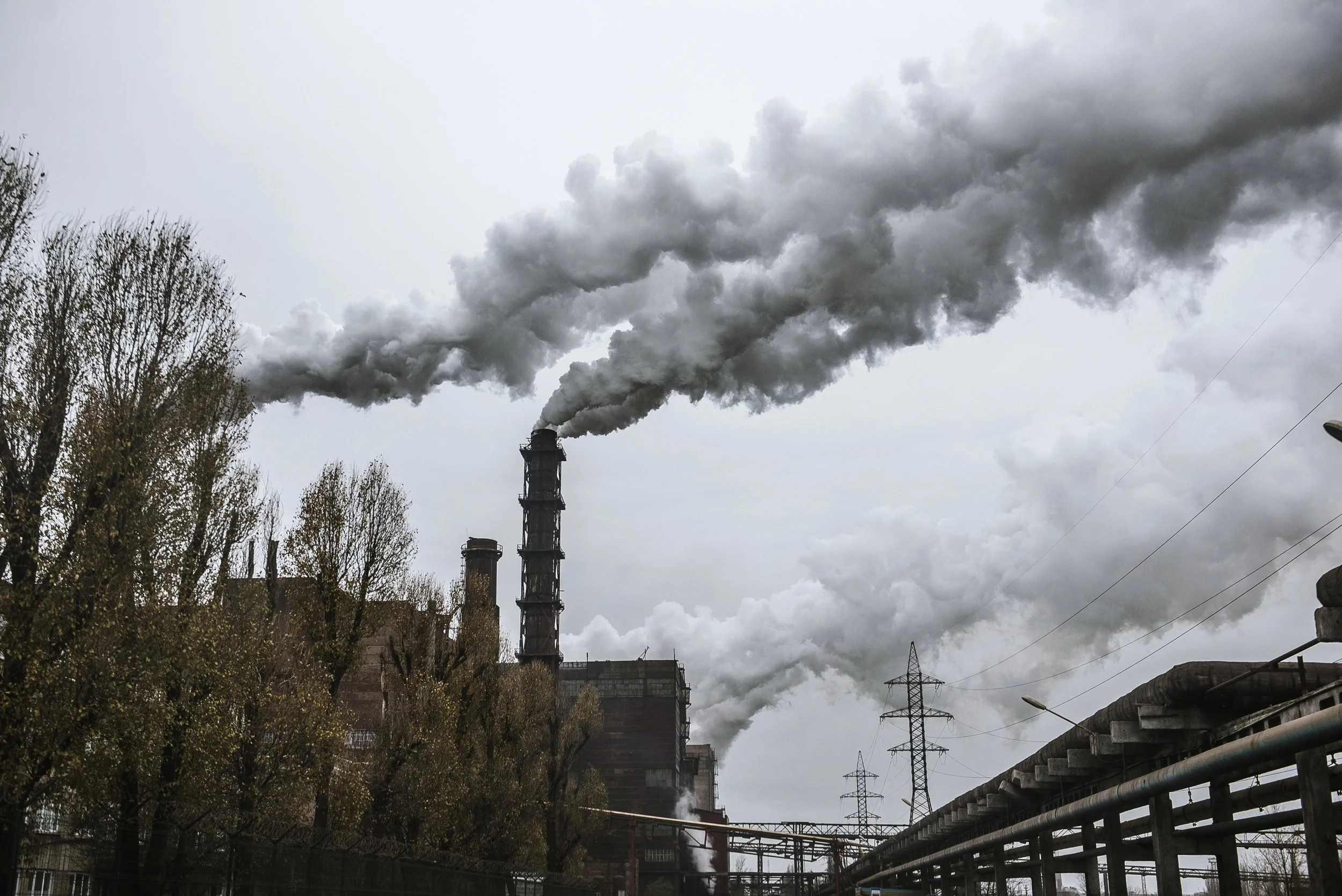
Image by Depositphotos
J. Class Action
Various stakeholders, including consumers, organizations, and the industry, play a role in promoting more responsible practices in the fashion sector. The demand for greater transparency and ethical standards has been a key factor in driving change.
L. Legislation
The development of regulatory frameworks has been identified as a key element in promoting fair working conditions, safe work environments, and the protection of human rights and the environment in the fashion industry.
M. Women
It is estimated that a high proportion of people working in the garment industry are women, who in many cases face poor working conditions and wage gaps. “We cannot address poverty without addressing gender inequality,” said Nilufar Verjee, Director of Women’s Economic Empowerment at CARE.
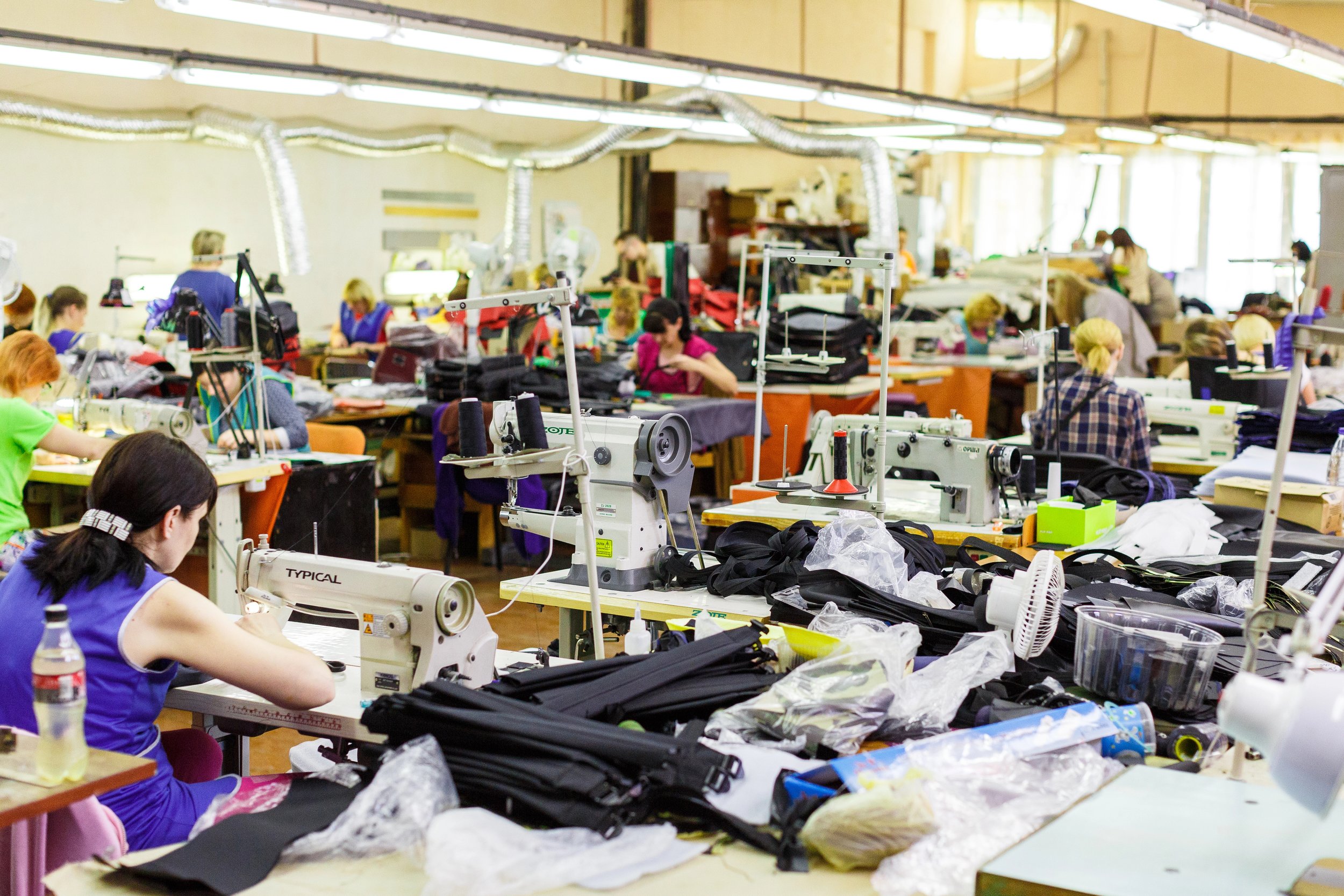
Image by Depositphotos
N. New Models
In recent years, alternative ways to acquire clothing—such as the secondhand clothing market—have emerged and gained traction. Other options include clothing rentals and exchanges, practices that help extend the useful life of clothing.
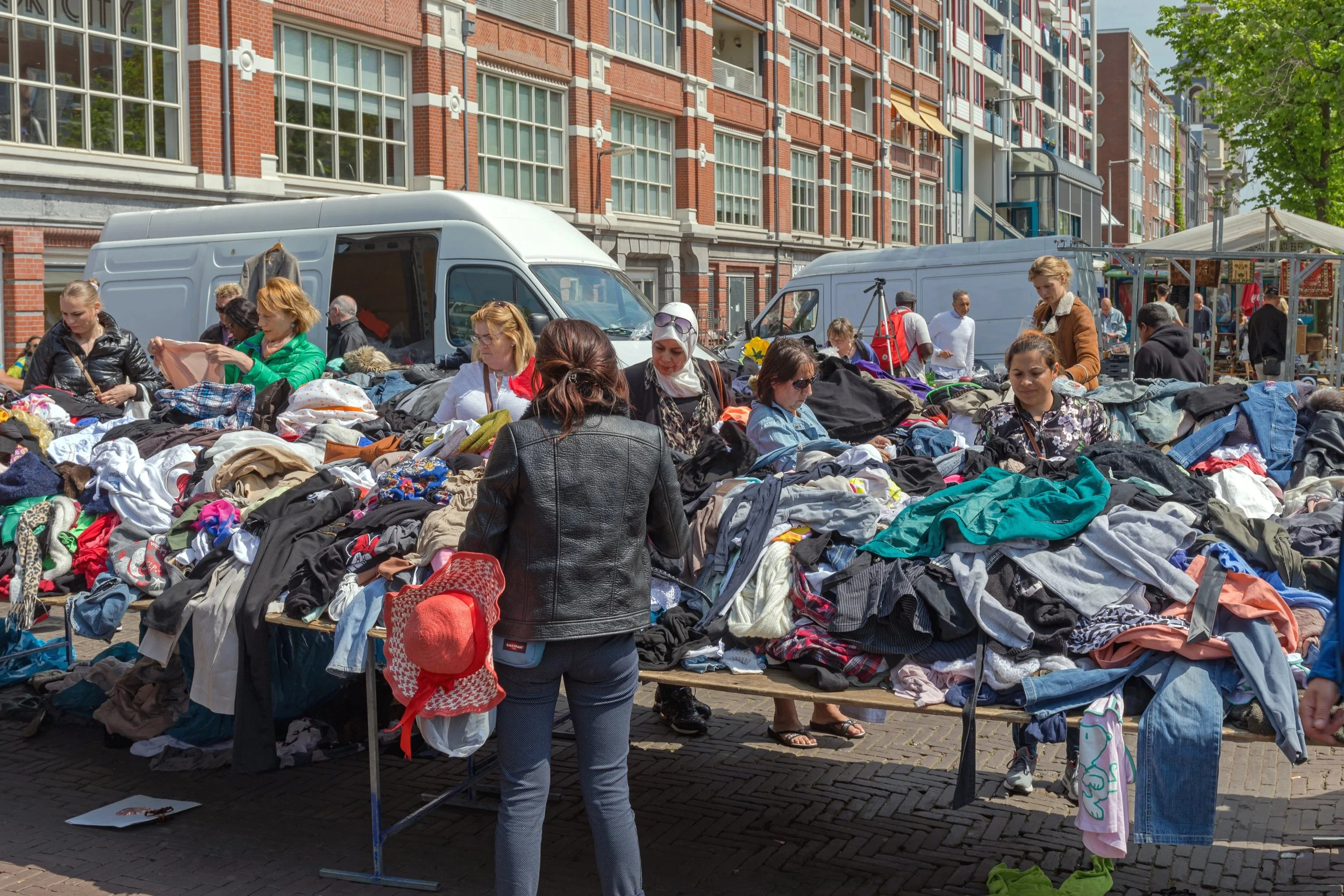
Image by Depositphotos
P. Plastic
It is estimated that a significant portion of clothing is made of synthetic fibers such as polyester, acrylic, and nylon—materials derived from plastic. When these garments are washed, microplastics can be released and end up in rivers, lakes, and oceans, causing environmental damage.
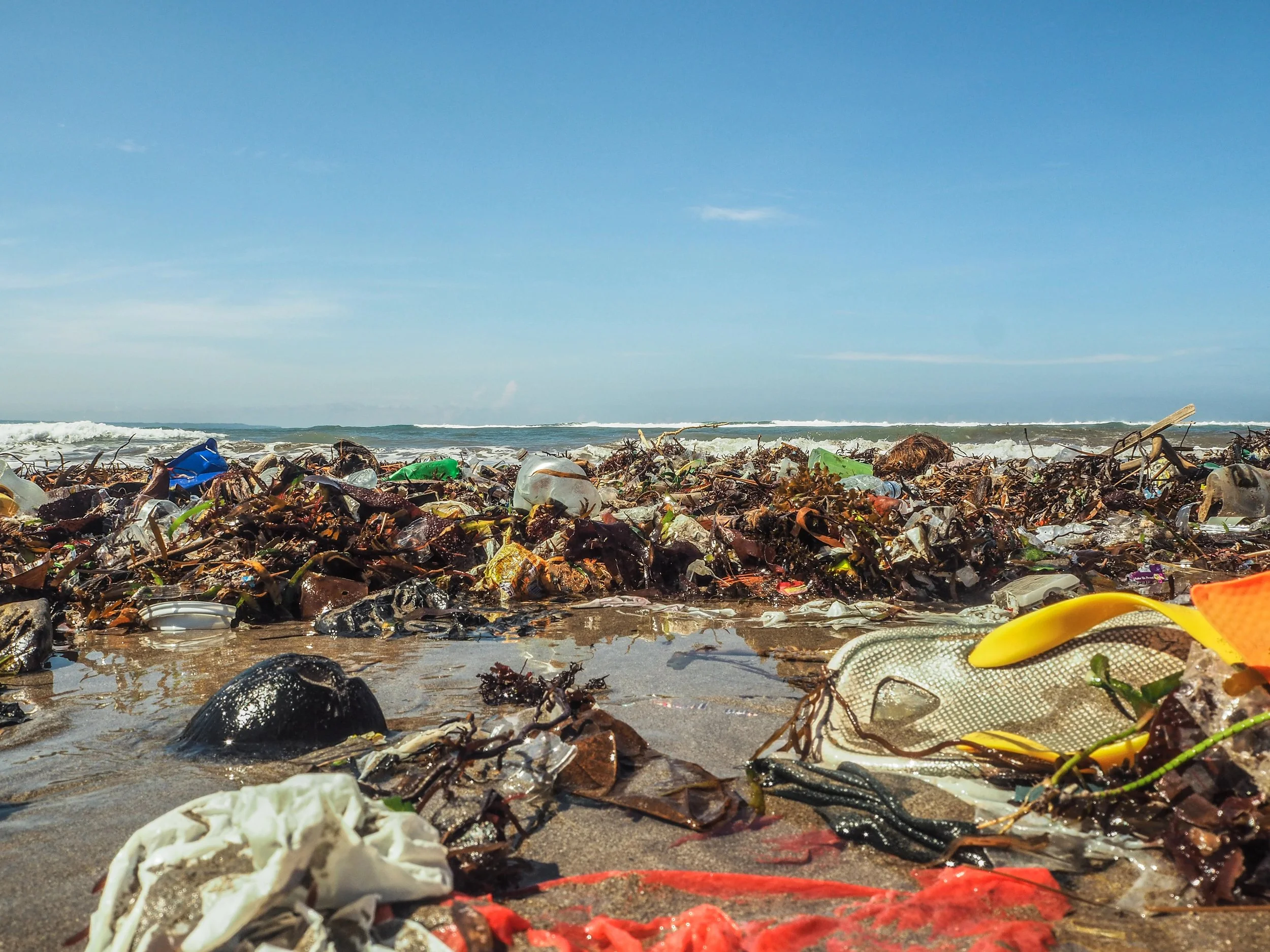
Image by Depositphotos
Q. Changes in the Industry
Various organizations and stakeholders have emphasized the need to promote practices that prioritize people’s well-being and environmental protection in the fashion industry. This includes moving toward decent working conditions and greater accountability throughout the supply chain.
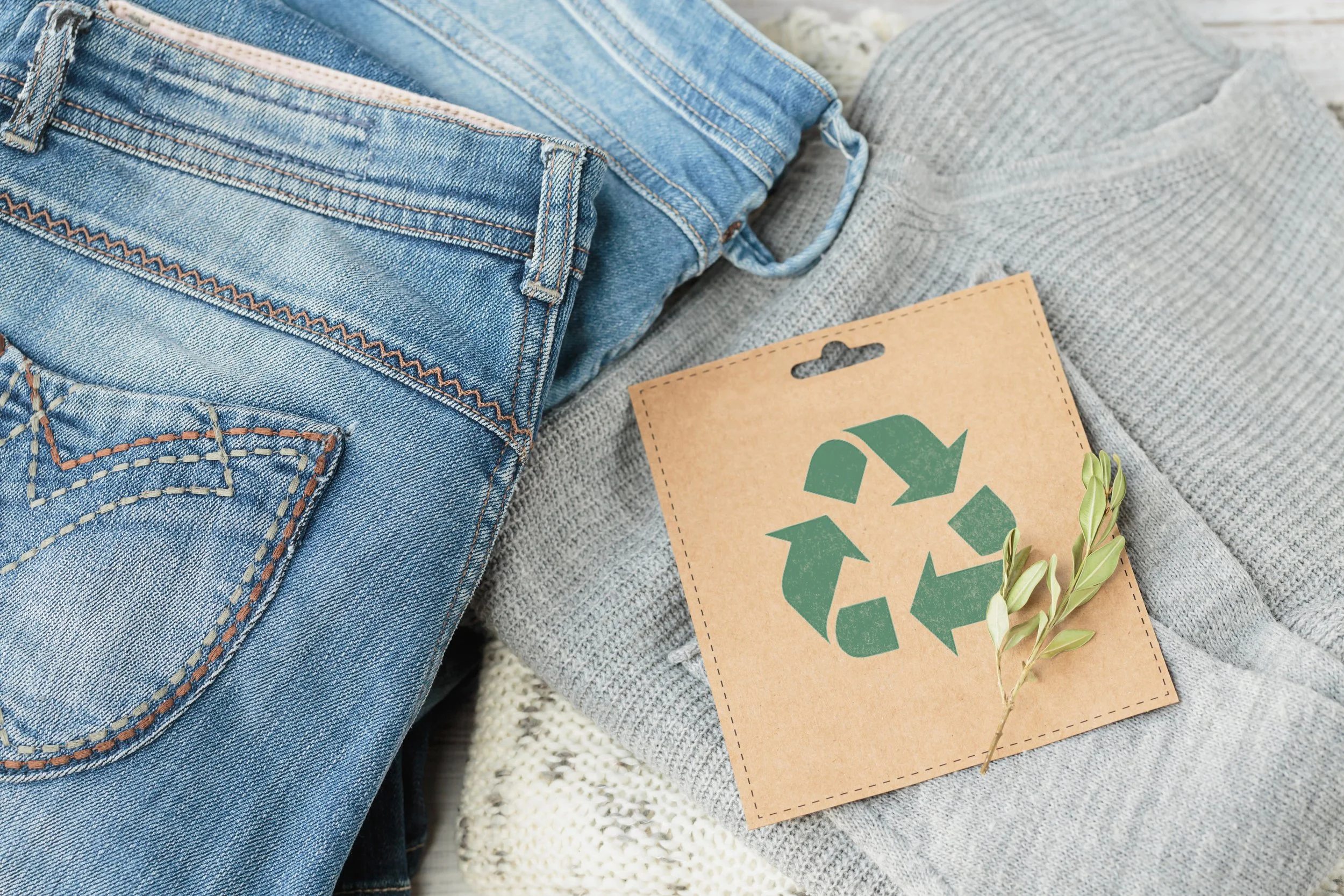
Image by Depositphotos
A. Production Costs
“Nothing is free, nothing is cheap—someone is paying for it. Who are they? They are workers, women, young people, and children,” said Nazma Akter, founder of the AWAJ Foundation. Various analyses have pointed out that cost reductions in the fashion industry may be linked, among other factors, to low wages in the production chain. In this context, it has been suggested that only a small portion of a garment’s final price goes toward the wages of those involved in its manufacture.
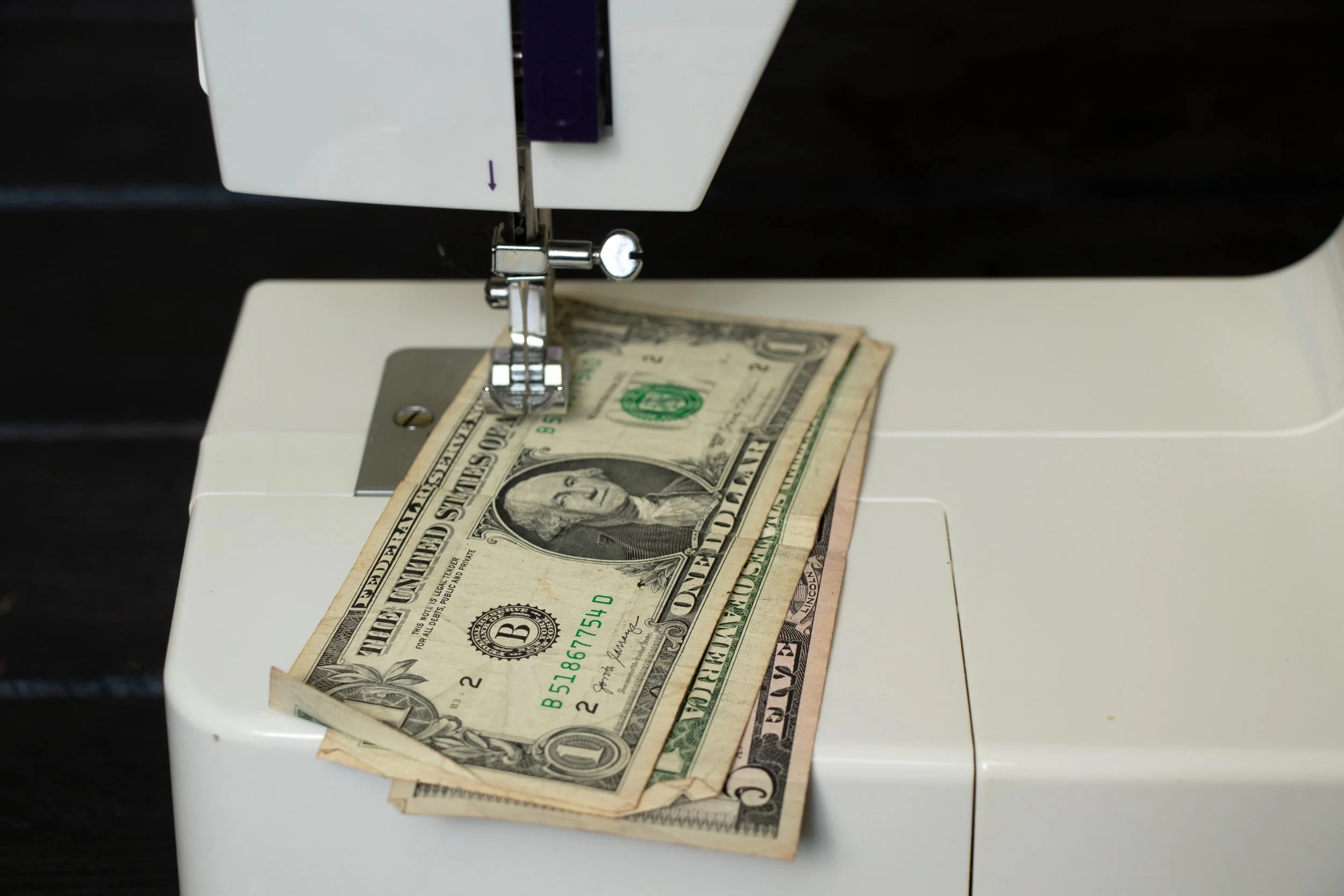
Image by Depositphotos
S. Circular system
There is a recognized need to move toward a circular economy model in the fashion industry, one that allows resources to remain in use for longer, maximizes their value, and facilitates the recovery, reuse, and recycling of materials at the end of their useful life.
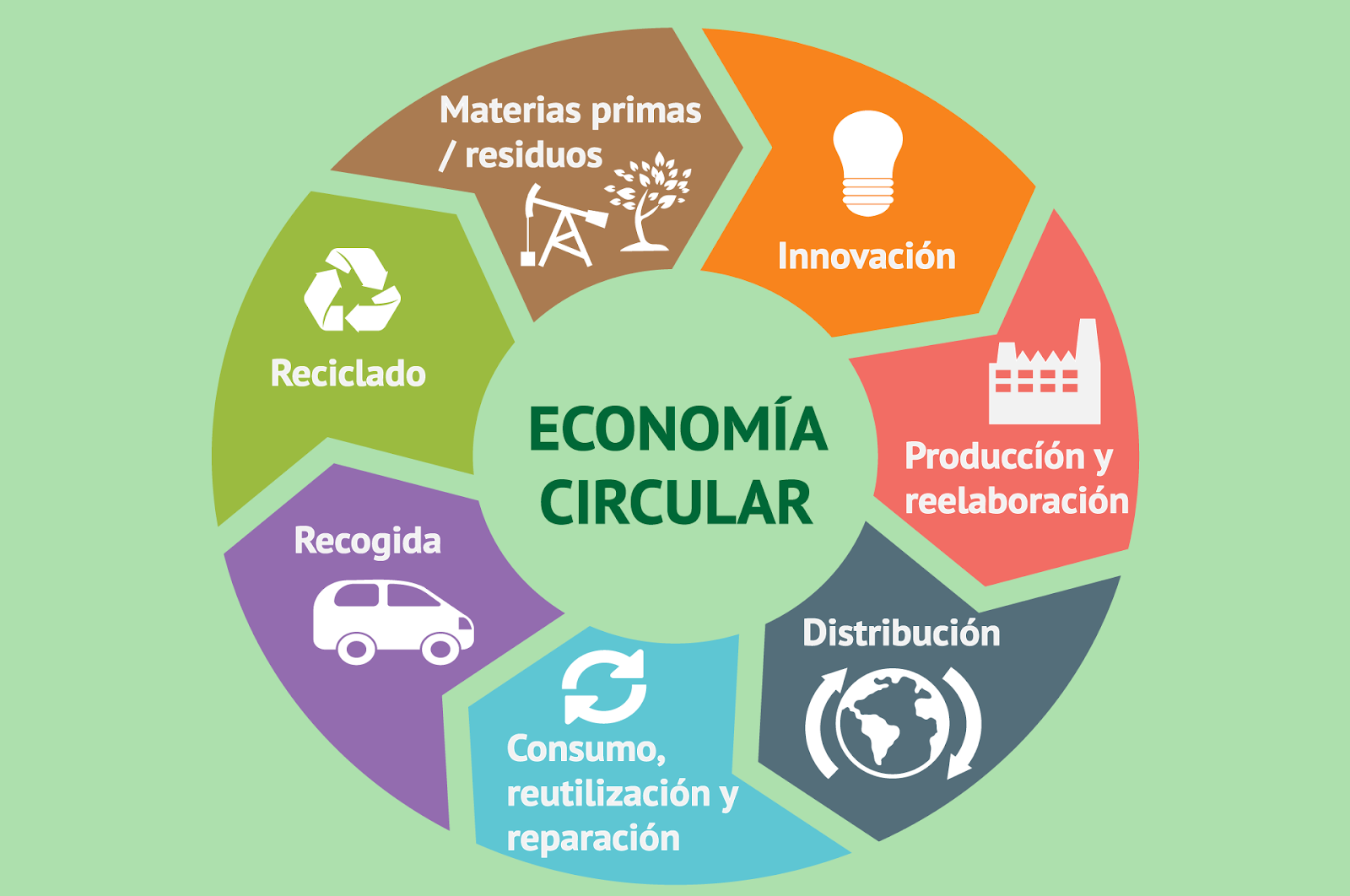
Image by Depositphotos
T. Transparency
In many cases, clothing brands do not own their textile suppliers or manufacturing facilities, which can make it difficult to monitor working conditions and environmental impact. The importance of increasing transparency in the production chain has been highlighted as a means of promoting more responsible practices.
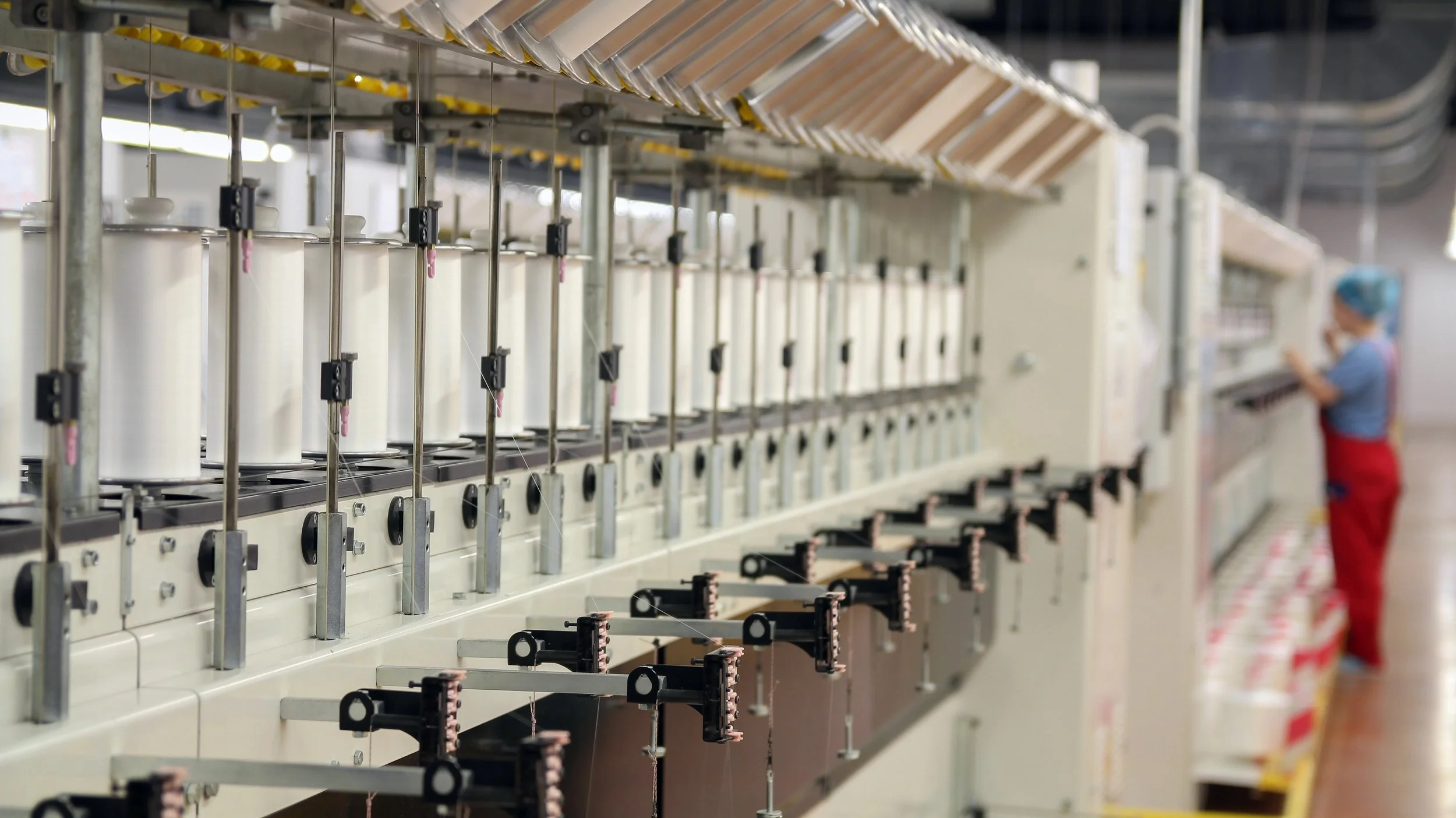
Image by Depositphotos
V. Lifespan of Clothing
Taking care of your clothes can help reduce the environmental impacts associated with their production. Extending the life of a garment helps reduce the use of resources such as water and energy, as well as the generation of waste.
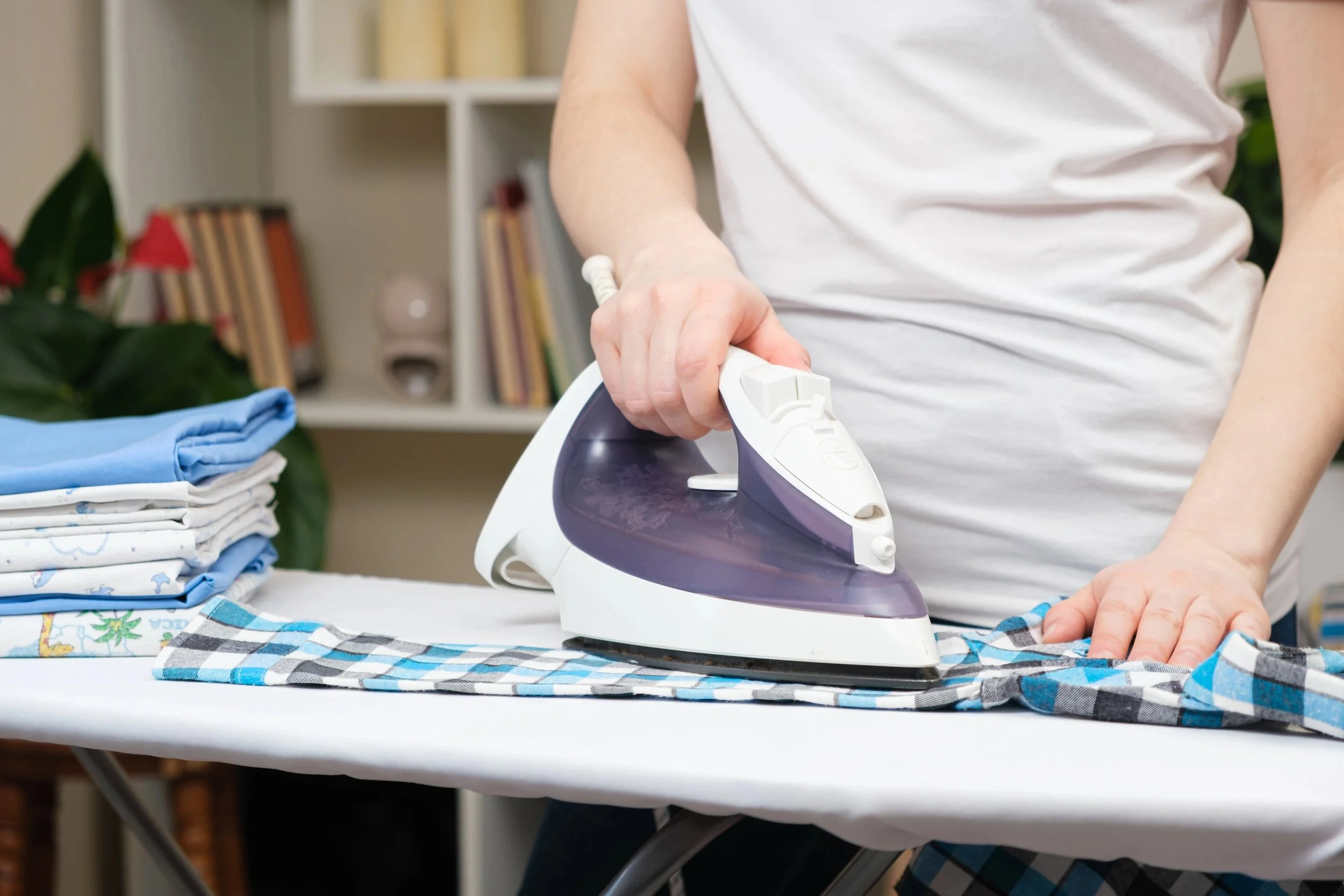
Image by Depositphotos
W. Origin of the garments
Access to information about the origin of clothing, the materials used, and the conditions under which it was produced has been identified as a key factor in understanding the industry’s impact.
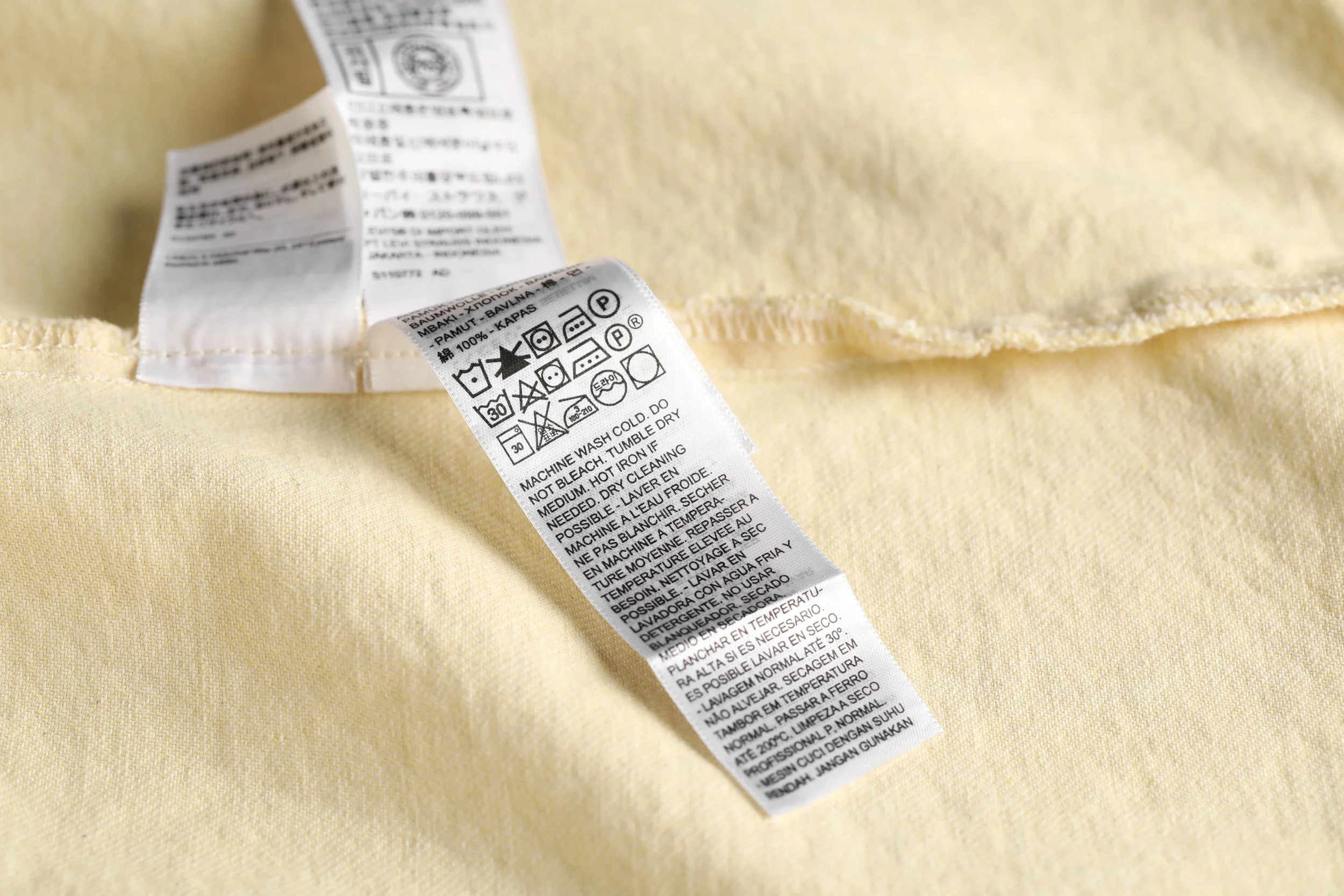
Image by Depositphotos
Y. Consumer Decisions
Purchasing decisions can influence the fashion industry, both in terms of the quantity of products purchased and the choice of brands that promote fair working conditions and responsible practices.
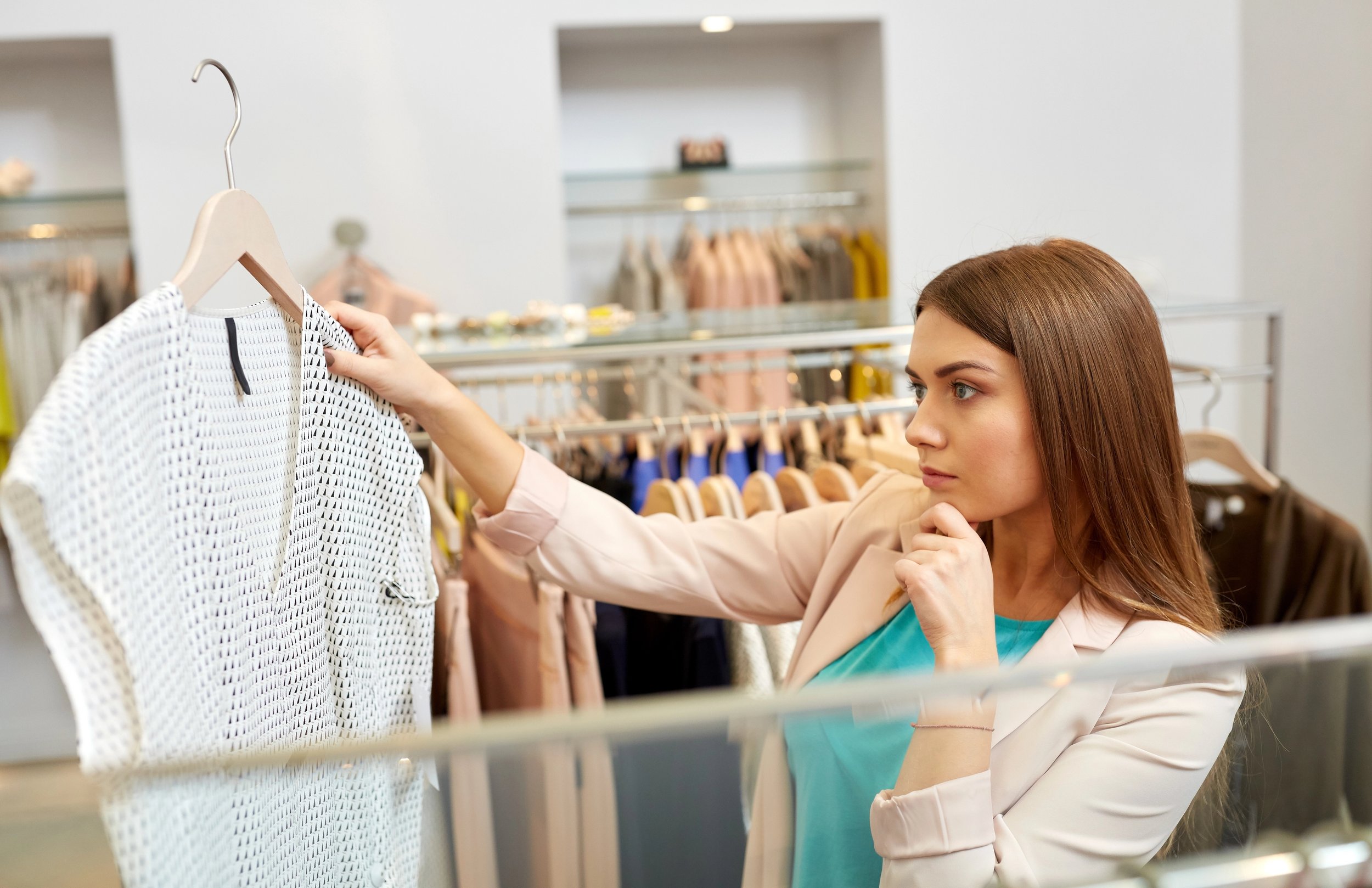
Image by Depositphotos
Z. Working Conditions
Various reports have shown that poor working conditions persist in parts of the garment industry, including low wages, long working hours, and unsafe work environments. Furthermore, it has been noted that a significant proportion of workers face limitations in negotiating their working conditions. In this context, the importance of strengthening the protection of the rights, safety, and well-being of people working in this sector has been emphasized.
Adopting informed consumption habits is also linked to more ethical decisions in various areas, including how products are developed.
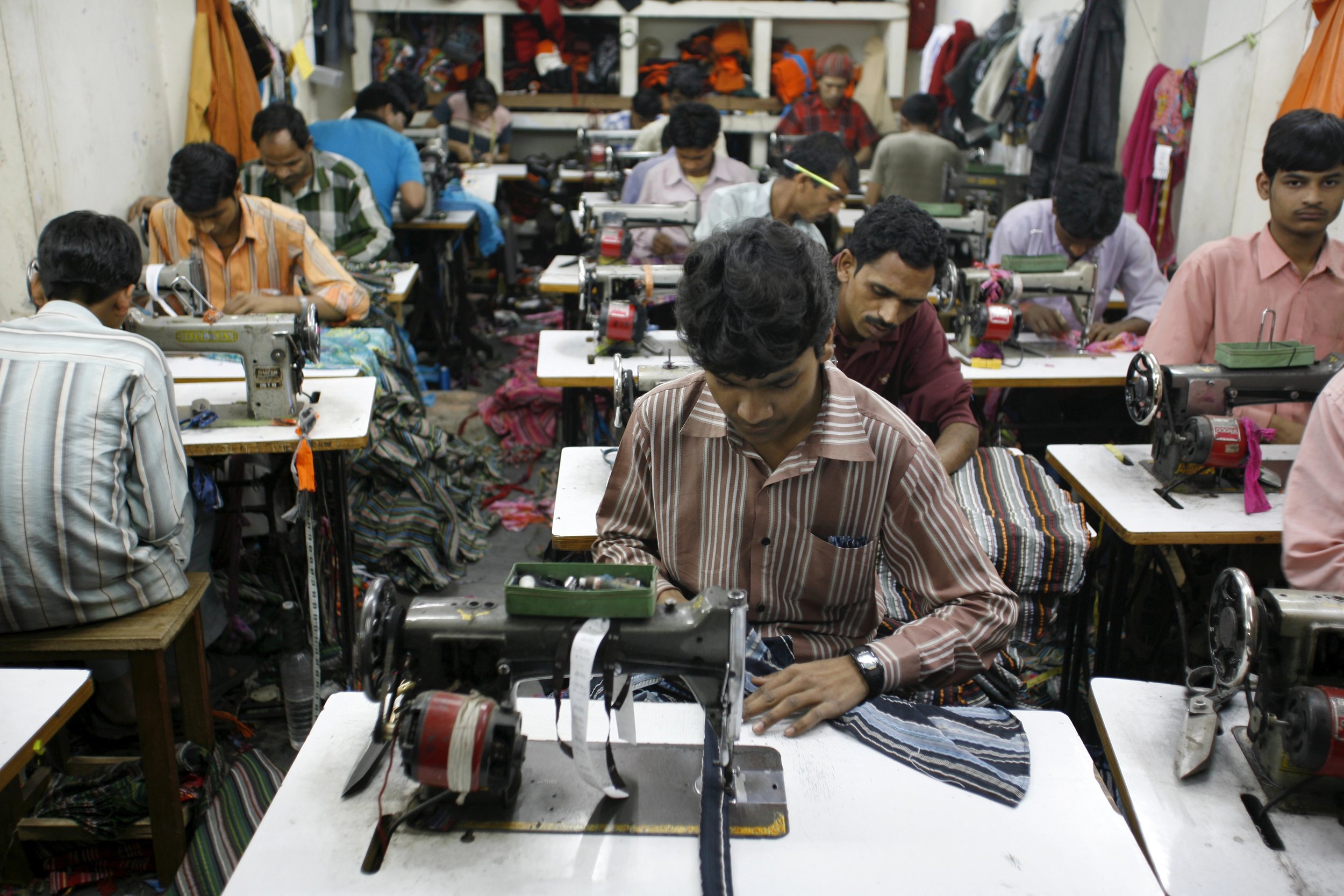
Image by Depositphotos
To help you learn how to change your consumption habits, we recommend participating in our free program, "Tu Compromiso Cruelty Free." Check out all the information at www.tucompromisocrueltyfree.org