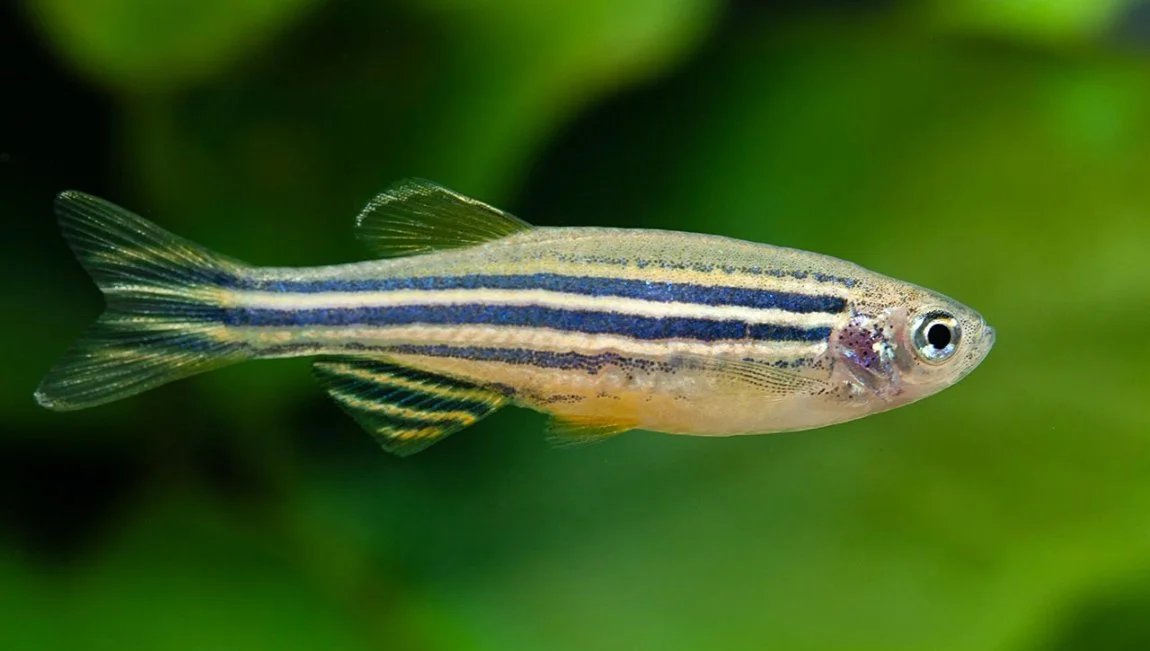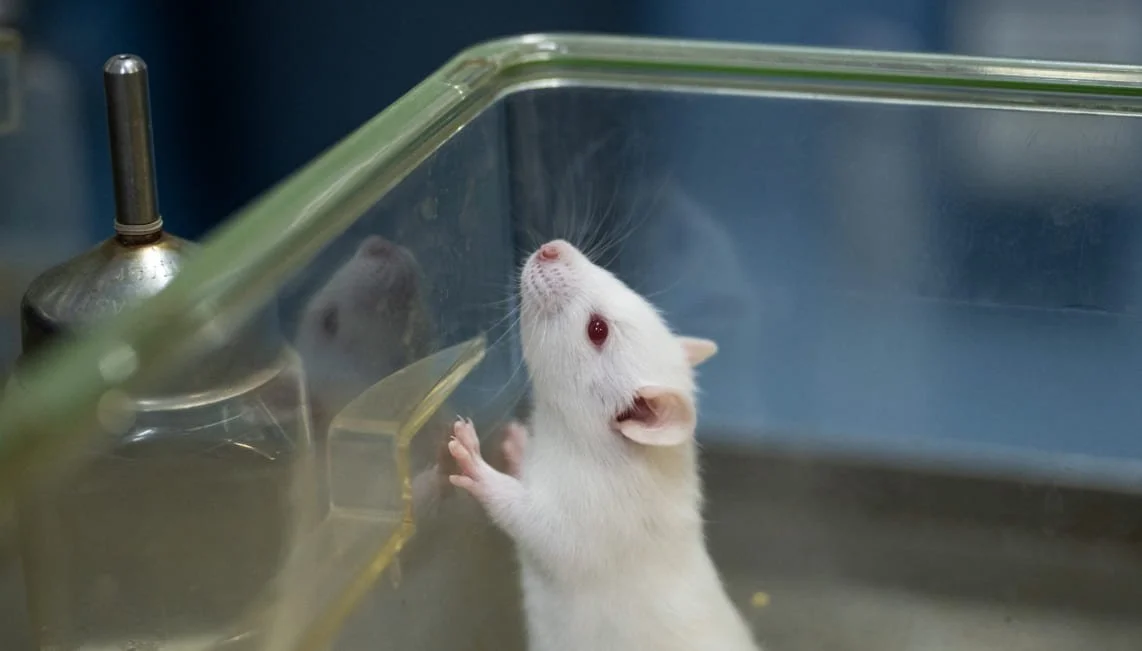

How long does a minute last for an animal?
The perception of time is not the same for all species. Neuroscience research has shown that animals process stimuli at different rates, which can influence how they experience the duration of stress, waiting, or pain.
In humans, the perception of time is subjective and can vary throughout life. During childhood, periods of time are often experienced as longer, whereas in adulthood they tend to be perceived as shorter. The experience of time also changes depending on circumstances. In situations of confinement or stress, periods of time are often perceived as longer, whereas in situations associated with well-being or anticipation, they tend to feel shorter.
In 2020, the research center Rethink Priorities published the report *Subjective Experience of Time and Its Implications for Animal Welfare*, which analyzes how differences in the perception of time across species could have implications for the assessment of animal welfare. According to the report, if an animal experiences more “subjective moments” within the same chronological timeframe, a painful experience could involve a greater number of moments of suffering from its own perspective.
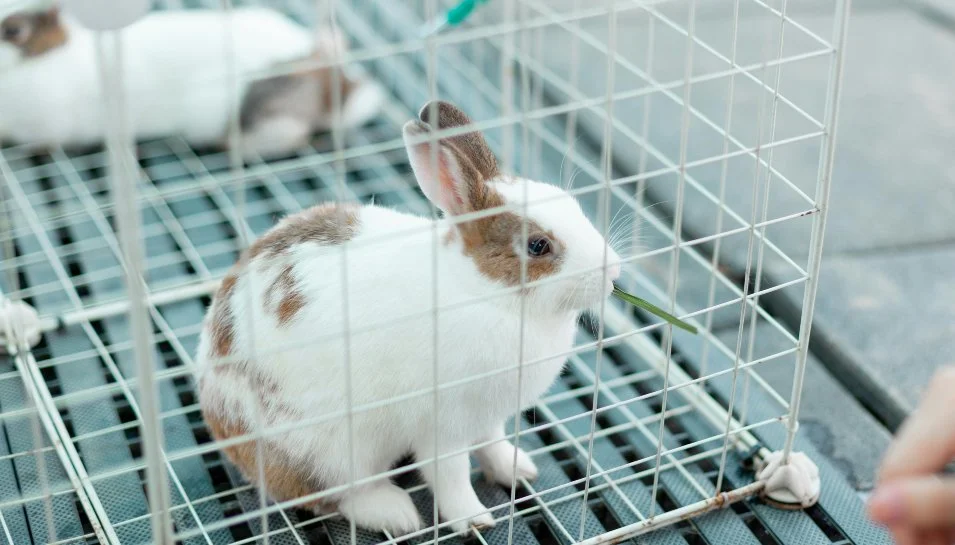
Image by Depositphotos
According to Your Pets Daily, domestic rabbits typically live between eight and twelve years, and some even reach fourteen or older when properly cared for. This life expectancy contrasts with the reality for many animals used in experiments or testing, whose lives are often considerably shorter.
From this perspective, the analysis of animal welfare considers not only the intensity of suffering, but also its duration and the animal’s actual chances of ending that experience. Assessing this temporal dimension allows us to understand the impact of suffering on the animal’s entire lifespan.
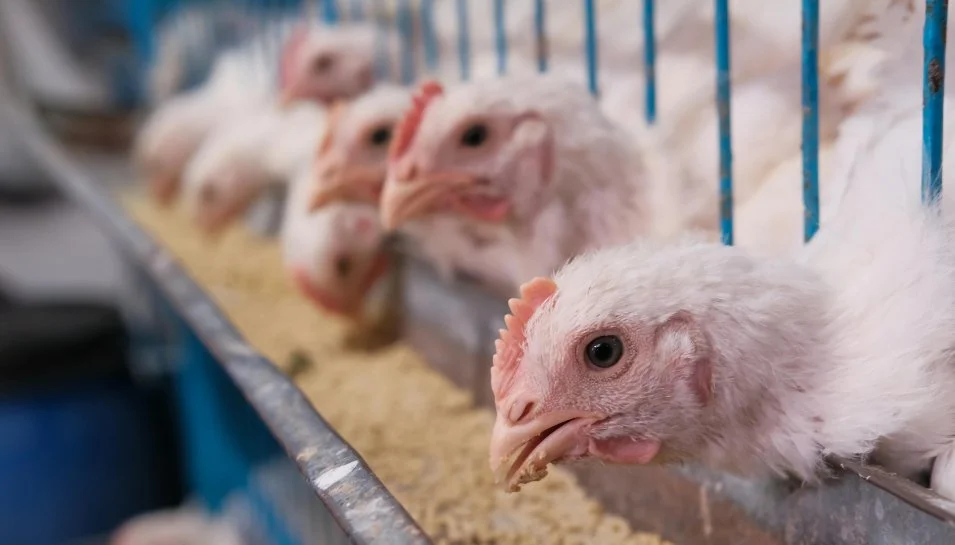
Image by Depositphotos
With this focus, the duration of suffering becomes a relevant factor in assessing animal welfare. Prolonging situations of confinement or deprivation not only involves maintaining an adverse condition but also extending the subjective experience associated with it over time. Although the harm may not always be visible, its impact can be significant.
Considering how long an experience lasts and what proportion it represents of each species’ life expectancy broadens the traditional framework used to assess living conditions and animal welfare.
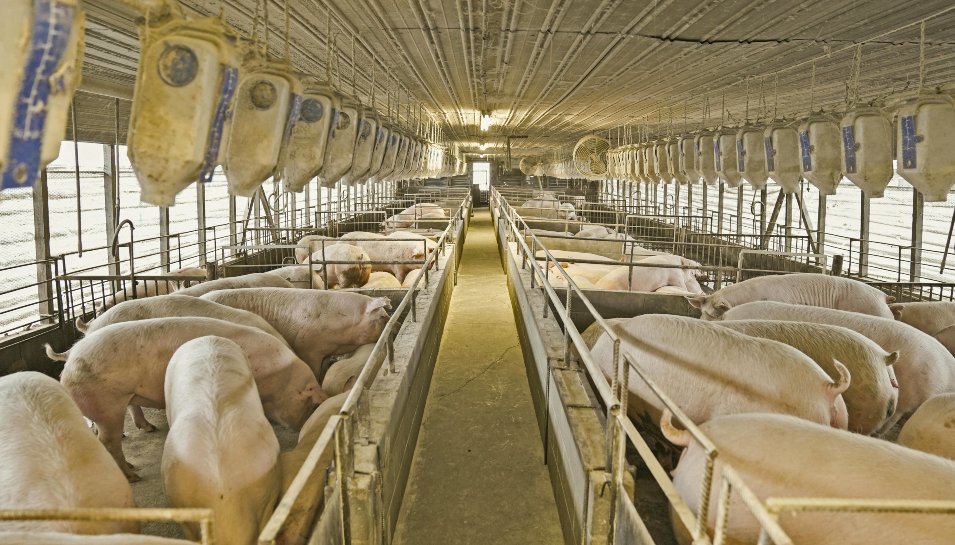
Image by Depositphotos
Understanding how different species experience time broadens the way we analyze animals’ living conditions. Beyond chronological duration, considering the subjective experience of time invites us to reflect on how situations of confinement, stress, or pain can take on a different dimension from the perspective of those who experience them. Incorporating this approach into the discussion on animal welfare helps develop more comprehensive assessments of the real impact these experiences have throughout an animal’s life.
For those who would like to explore this topic further, we invite you to read the article “Do Animals Have Consciousness?”