Our theory of change to save millions of animals
The use of animals in laboratories has been a widespread practice across various industries, including the cosmetics industry, in Latin America. This article presents the strategic approach that has guided Te Protejo’s work to drive transformation, promoting changes in the industry and the development of policies that help reduce and replace the use of animals.
Why is this topic important?
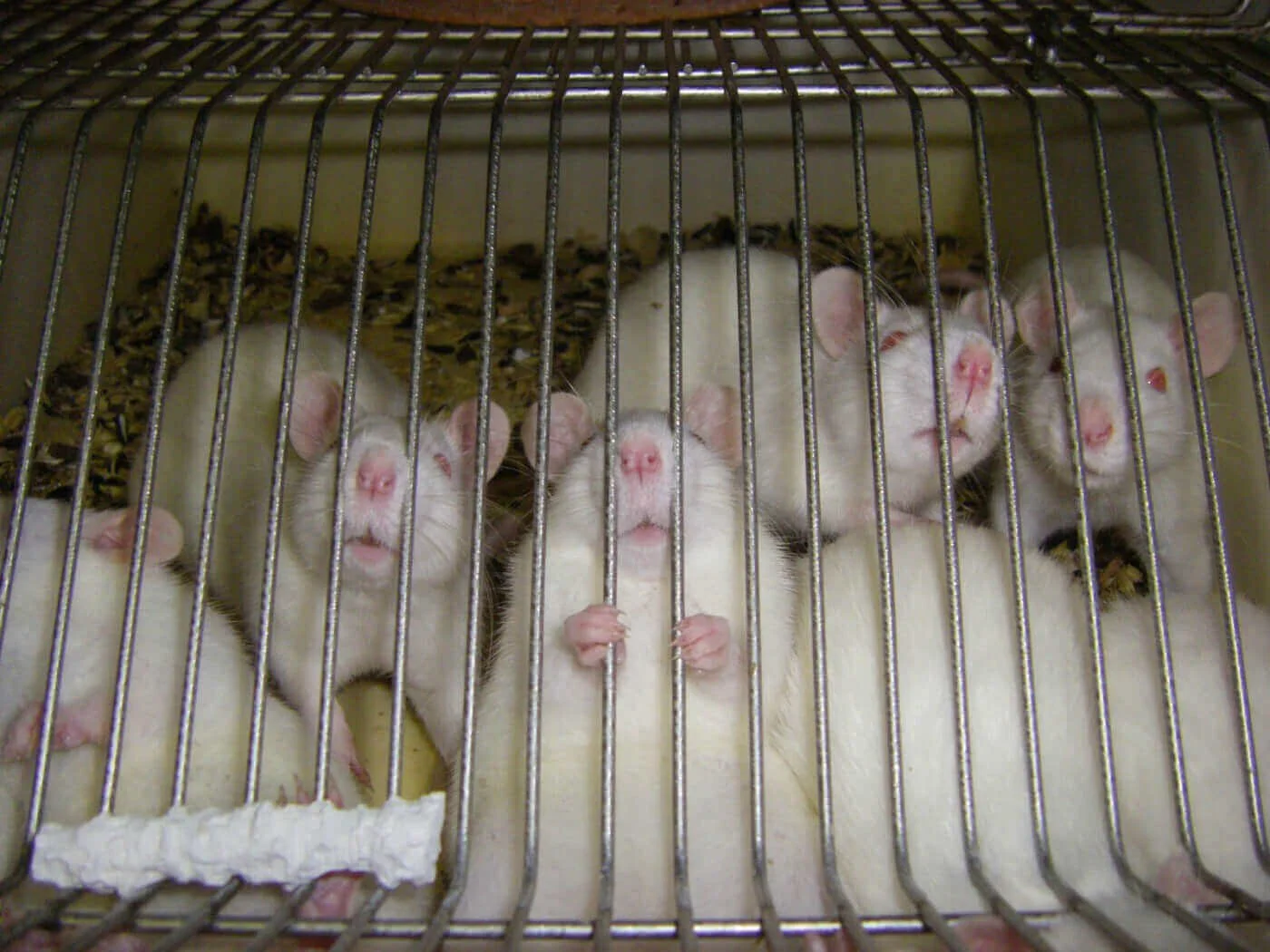
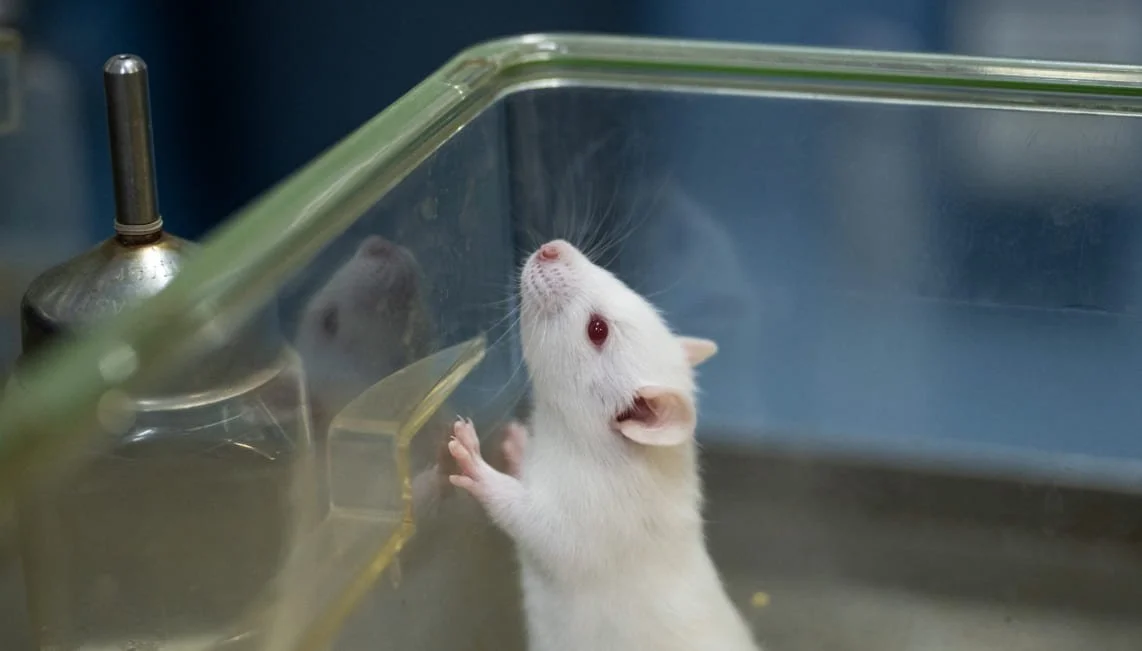
Image courtesy of PETA
Animal testing for cosmetics involves the use of live animals to evaluate the safety of ingredients and products before they are marketed. These animals are bred, housed, and used in laboratory facilities, commonly known as animal facilities. As in other industries, they are used for exploitative purposes, under conditions that can involve high levels of suffering.
In the European Union, animal testing for cosmetics and ingredients was banned in 2013. However, certain exceptions and gaps in implementation—such as requirements related to chemical regulations—have hindered the full enforcement of this ban.
In Latin America, the situation has been more varied. While some countries have made progress in passing regulations to restrict these practices, in many cases their implementation remains limited or poses compliance challenges.
Who are we?
Te Protejo is an organization that seeks to transform the cosmetics industry in Latin America with the goal of developing innovative policies that benefit the environment and end the use of animals in research.
Since 2012, the organization has evolved from a local initiative in Chile into a well-established regional player, driving change through five strategic areas that aim to influence various stakeholders in the ecosystem and promote systemic transformation.
Our Theory of Change
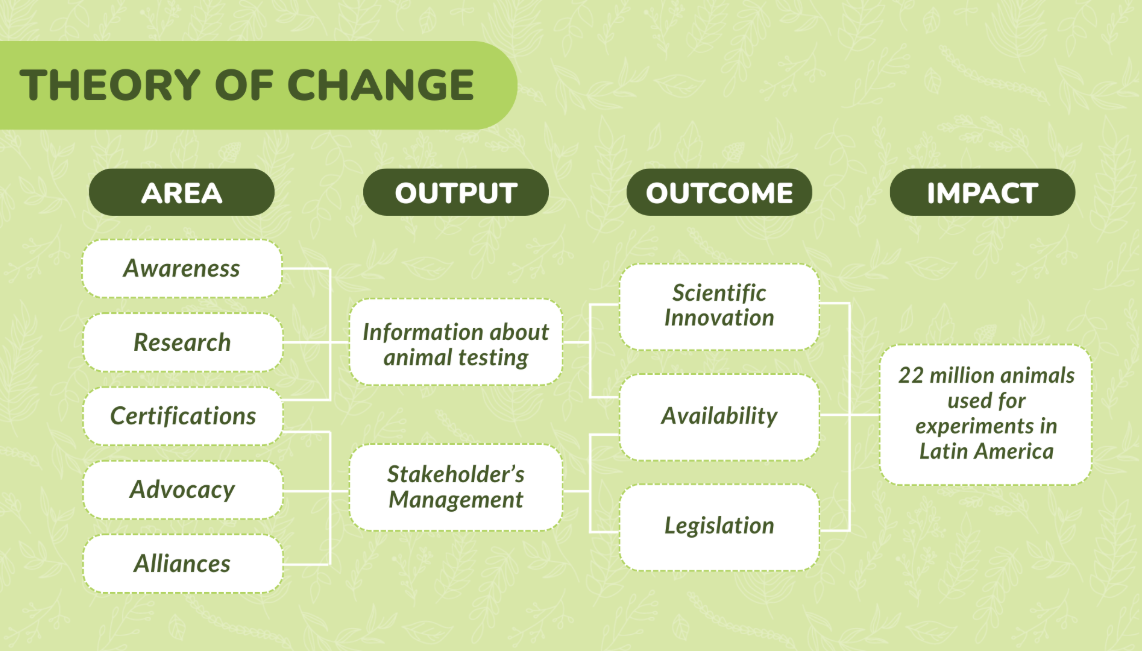
Theory of Change: I Protect You
Our efforts to bring about systemic change
We work in five strategic areas, and our actions in these areas are part of our Theory of Change. Each area addresses a key aspect of the industry’s ecosystem, and together, they help us move toward a future where animals are no longer used in testing.
Awareness:
We promote greater awareness about the use of animals in science and industry by providing clear information that facilitates responsible consumer decisions. These efforts aim to foster more mindful habits and move toward cruelty-free alternatives.
Certification:
Cosmetics, personal care, and household cleaning products that do not test on animals are certified under rigorous standards. This process helps identify reliable alternatives and contributes to a more ethical and transparent industry.
Incidence:
Changes are being promoted in public policies and regulatory frameworks to reduce the use of animals in various fields. This work promotes standards that are more rigorous and consistent with current scientific advances.
Research:
The development and adoption of alternative methods that promote progress toward a more ethical science are being encouraged. These initiatives also aim to reduce the use of animals and strengthen innovative approaches to animal welfare and replacement methods in the region.
Affiliation:
Connections are forged between brands, retailers, and people to expand access to cruelty-free alternatives. This work strengthens a collaborative ecosystem that drives change in the market.
The changes we hope to bring about
We believe that the combination of education, advocacy, research, certification, and partnerships enables us to make progress toward concrete results. Within this framework, our actions are focused on two key outcomes that underpin our impact:
Access to clear and timely information on animal testing
Through campaigns, advocacy efforts, and collaboration with various stakeholders, we bring attention to practices that often remain unknown to the public and promote more informed consumer choices.
Adoption of animal-free testing standards by various stakeholders
We work alongside companies, institutions, and decision-makers to encourage the adoption of alternatives to animal testing, promote compliance with ethical standards, and respond to growing demand from consumers.
These two outcomes are cornerstones of our Theory of Change, as they help transform narratives, drive policy changes, and move toward the elimination of animal testing in Latin America.
What We've Accomplished
The organization's work has helped drive progress in the cosmetics industry in the region. Through sustained effort and collaboration with various stakeholders, results have been achieved that reflect this progress:
More than 200 brands have gone through the certification process, and a list of more than 400 certified brands available in various countries across the region has been compiled.
The campaigns have reached more than 5 million people online, while in-person events have drawn more than 30,000 attendees across six countries.
Partnerships have been established with more than 70 companies and retail outlets to inform people about animal-testing-free alternatives and promote more conscious consumer choices.
We have contributed to regulatory advances in various Latin American countries through advocacy efforts and collaborative work with various stakeholders, including the passage of laws in Chile, Mexico, and Brazil.
In addition, the company has supported the inclusion of animal-testing-free product categories at retail locations with a strong presence in Chile, making it easier for consumers to access these types of options.

Image by Depositphotos
Impact on Reducing the Use of Animals
In Latin America, it is estimated that millions of animals are used each year in tests for the cosmetics industry, many of them in procedures that cause suffering and are subject to limited regulatory protections.
The effective implementation of bans on animal testing adopted in countries such as Mexico and Chile could help significantly reduce this number, preventing the use of millions of animals each year. These advances are not solely the result of regulatory changes, but rather stem from sustained efforts over time to promote regulatory frameworks that are more ethical and aligned with scientific progress.
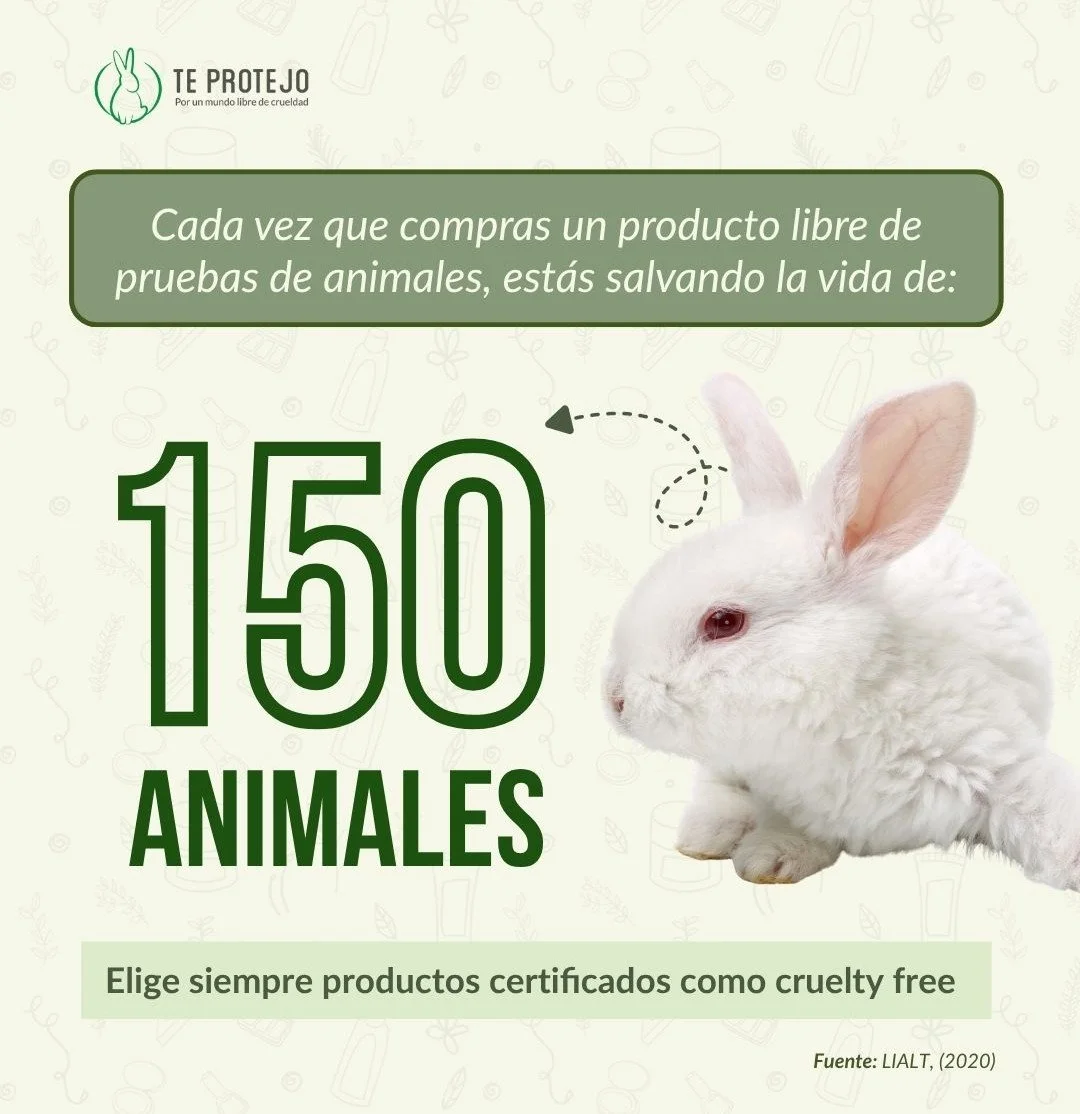
Illustration by Te Protejo
At the same time, these processes do not occur in isolation. They are the result of a comprehensive approach that combines education, advocacy, research, certification, and strategic partnerships, with the goal of promoting change at both the social and institutional levels.
To gain a deep understanding of how these advances translate into concrete results, it is essential to be familiar with the tools that allow us to systematically measure and evaluate this work. Impact monitoring allows us to link each action to real changes, strengthening decision-making and the transparency of the process, as well as the organization’s ability to continue driving transformations in the cosmetics industry in Latin America.