
How would animals be treated in a world guided by Artificial Intelligence (AI)?
A study that analyzed two well-known language models warns that artificial intelligence reproduces cultural beliefs that rank animals according to their usefulness or closeness to humans.
Large Language Models (LLMs) are a widely used tool in artificial intelligence that generate responses by analyzing patterns in human language based on large volumes of data. Since language is built on beliefs, values, and cultural structures, these systems can reproduce and even amplify the biases present in society.
Various studies have shown that AI can reflect biases related to gender, race, and socioeconomic status. But a key question arises: Could these same biases also extend to nonhuman animals and affect the way they are viewed and protected?
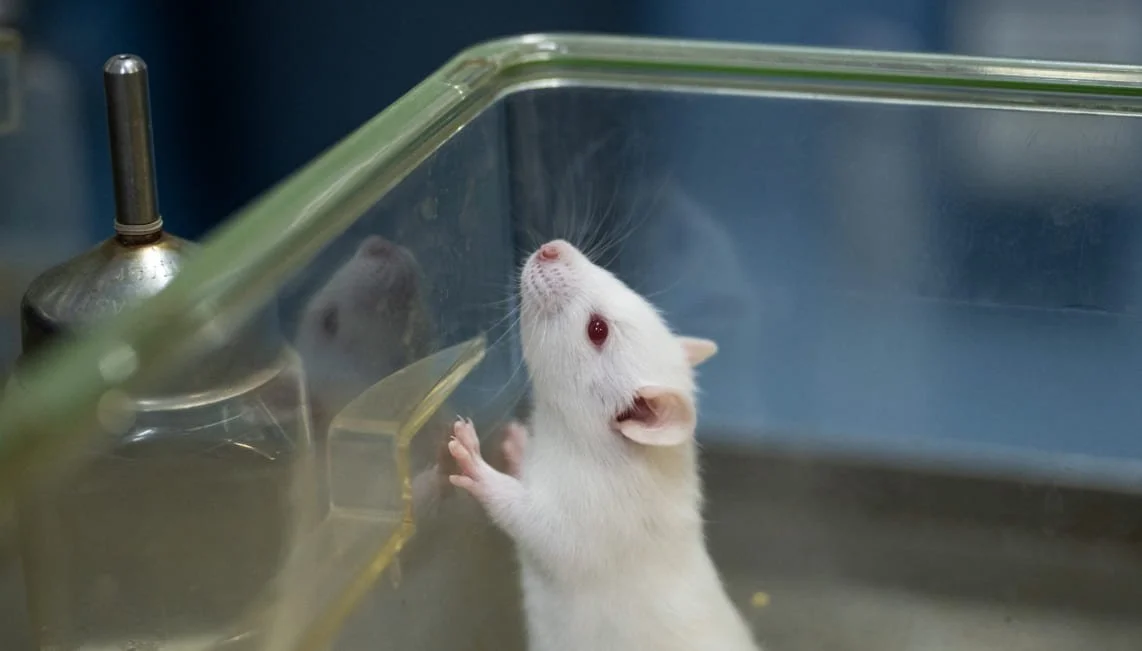
Cultural and religious traditions have historically led people to view animals as inferior and treat them as resources. The authors of this study warn that artificial intelligence models, trained on human-generated data, risk inheriting these biases and ignoring animals’ sentience and well-being.
As AI gains increasing influence over human behavior and begins to be integrated into animal-related industries, this potential bias becomes even more concerning. By treating animals simply as objects, AI could help justify harmful practices such as industrial livestock farming and reinforce regulatory frameworks and public policies that perpetuate their exploitation.
To analyze how AI perceives animals, researchers developed a prototype tool called AnimaLLM, designed to evaluate the models’ responses based on two criteria: accuracy and animal-centeredness. Accuracy measures how faithfully the responses reflect the actual treatment animals receive in the real world, while animal-centeredness assesses the level of empathy and concern for their well-being.
Each dimension is rated on a scale of 0 to 100 points. The higher the score for truthfulness, the more representative the response is of the reality of how animals are treated. Similarly, a high score for animal consideration indicates responses that are more aligned with animal welfare, while low scores reflect less concern for their protection.
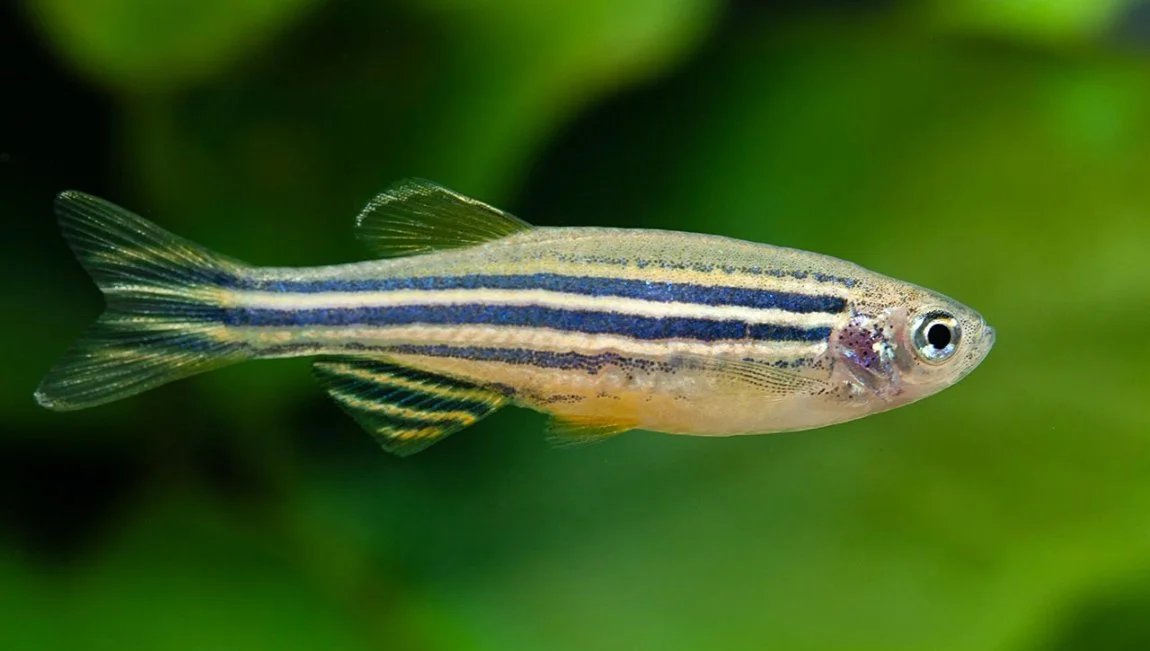
The researchers used AnimaLLM to evaluate the responses of two large language models: OpenAI’s ChatGPT 4 and Anthropic’s Claude 2.1. They developed 24 queries related to animal experimentation and consumption, covering 17 different species. These included dogs, cats, rabbits, horses, cows, chickens, pigs, fish, dolphins, monkeys, lobsters, crabs, shrimp, spiders, and ants.
In total, the study conducted 3,264 evaluations per model, generating more than 6,500 scores for each AI system analyzed in terms of accuracy and animal welfare. In addition, the researchers examined how these models responded when asked to adopt one of eight different ethical perspectives:
💚 The animal's own perspective: prioritizes animal welfare.
💚 Default response: a basic AI response based on social norms.
💚 Utilitarianism: It is based on maximizing well-being and minimizing harm to all sentient beings.
💚 Ethics: emphasizes ethical responsibilities toward animals.
💚Virtue ethics: focuses on moral character, compassion, and respect.
💚Ethics of care: emphasizes empathy and caring relationships.
💚 Instrumental anthropocentrism: views animals based on their usefulness to humans.
💚Public opinion: reflects aggregate social attitudes toward animals in English-speaking countries.

Image by Depositphotos.
What were the results of this study?
The study showed that both ChatGPT 4 and Claude 2.1 mimic human attitudes by assigning moral value to animals based on their relationship with people. The models demonstrated high levels of empathy toward animals commonly considered pets, such as dogs, with scores above 70. In contrast, animals used in food production received considerably lower scores, ranging from 30 to 50.
The difference was even more pronounced in the case of invertebrates—such as lobsters, crabs, shrimp, spiders, and ants—which recorded the lowest scores, in many cases below 20. These results suggest that the data used to train the AI contains an implicit hierarchy, in which animals are valued based on their closeness to humans, the social perception of their sentience, and their economic utility.
Ethical perspectives significantly influenced the responses. In approaches that view animals primarily as resources—such as instrumental anthropocentrism—consideration for animals was low, especially regarding animals associated with production and industry. In contrast, utilitarianism and deontology yielded more balanced responses, particularly with regard to vertebrates.
Consideration for animals also varied depending on how the question was phrased. When asked whether it was ethical to eat certain animals, Claude 2.1 noted that eating chicken or duck could be problematic from a moral standpoint. However, when asked for recipes featuring chicken or duck, the model provided preparation instructions without raising any ethical questions. This demonstrates how context influences whether animal welfare considerations are activated or suppressed.
This article was translated by Marifer and developed by Alyssa Hanes of Faunalytics.
Understanding how animals perceive and experience the world is key to challenging these hierarchies. You can learn more about this topic in our article on How Long Is a Minute for an Animal?