What Is Eco-Anxiety, and How Can We Cope With It?
Global warming has been a constant source of concern that has grown over the years as its impacts have become increasingly evident. Rising temperatures and more frequent and severe natural disasters have had far-reaching consequences not only for the environment but also for society.
Frequent exposure to news stories about animal abuse and exploitation, environmental disasters, and the consequences these have on ecosystems and communities can lead to feelings of concern or distress. When these emotions intensify and begin to affect daily well-being, they can result in what experts call “eco-anxiety.”
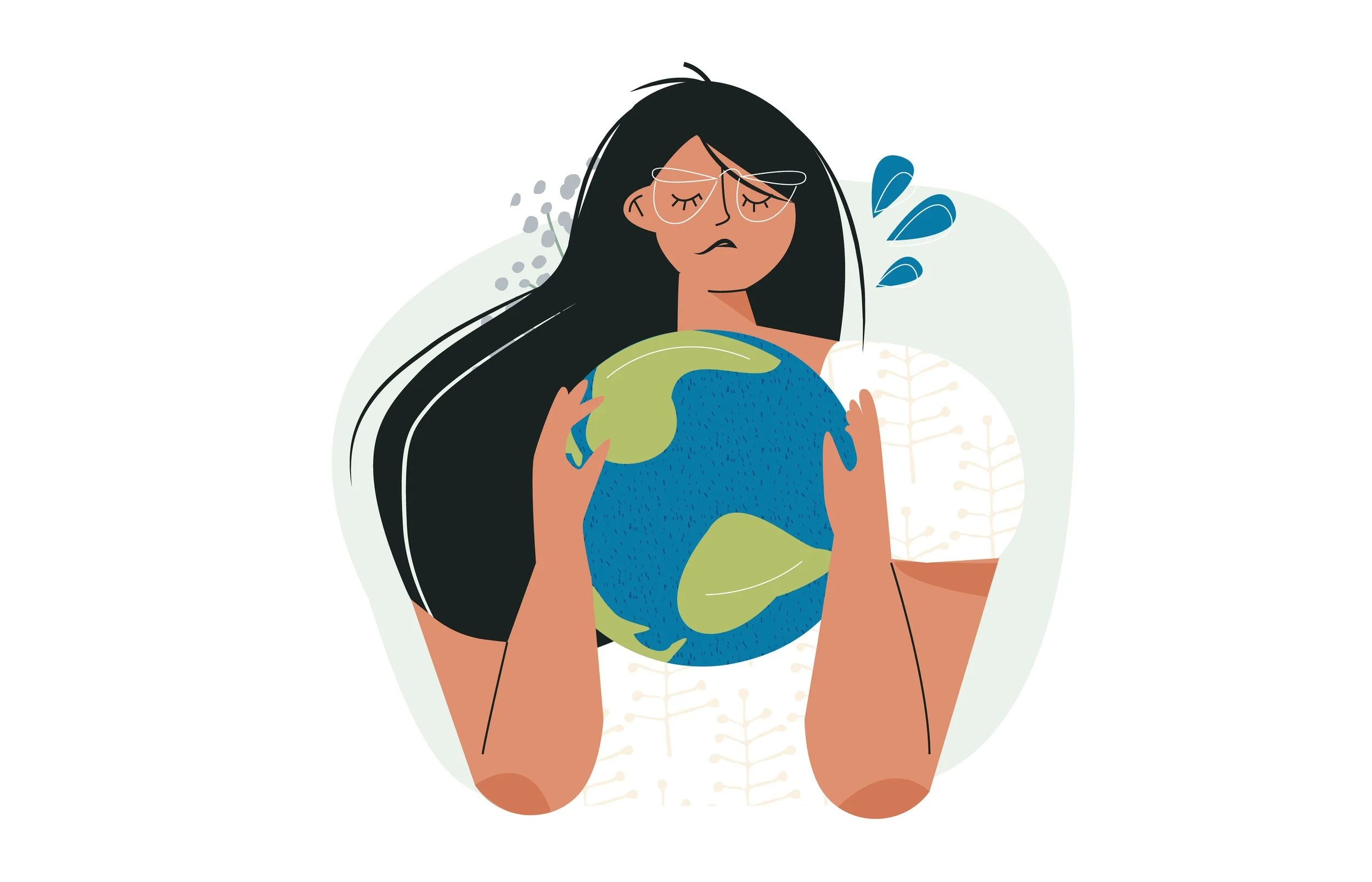
Image by Depositphotos
The American Psychological Association (APA) defines eco-anxiety as a “chronic fear of an environmental cataclysm that arises from observing the seemingly irreversible impacts of climate change and the associated concern for one’s own future and that of future generations.” In other words, it is a persistent form of stress linked to the climate crisis and its consequences.
That organization notes that the most common emotions associated with this phenomenon are sadness, anxiety, anger, guilt, and helplessness—especially when people feel that it is impossible to bring about meaningful change.
In Chile, a study conducted by Greenpeace in 2023 revealed high levels of concern about climate change. The survey, completed by 450 people, found that nearly 90% of respondents expressed significant concern about its effects. Among the socio-environmental phenomena that cause the greatest concern is the water crisis (41.3%), followed by glacier melt (14.2%), prolonged drought (10.9%), and wildfires (8.4%).
Similarly, a study published in 2021 in the scientific journal *The Lancet Planetary Health* surveyed 10,000 young people between the ages of 16 and 25 in ten countries (Australia, Brazil, Finland, France, India, Nigeria, the Philippines, Portugal, the United Kingdom, and the United States). The study revealed that more than 45% reported that their feelings about climate change negatively affect their daily lives, and 75% said they feel fearful about the future.

Image by Depositphotos
What steps can you take to cope with eco-anxiety?
First and foremost, Rodolfo Sapiains, a professor in the Department of Psychology at the University of Chile and a researcher at the Center for Climate Science and Resilience (CR2), highlights the importance of how the media conveys information about climate change.
In this regard, he points out that, in addition to reporting on the problems associated with the climate crisis, the media should also highlight solutions and concrete actions. Communicating what individuals, businesses, and authorities can do helps strengthen the sense of agency and reduce the perception of powerlessness in the face of this environmental problem.
Similarly, there are other strategies for managing eco-anxiety that are available to people who experience these kinds of emotions. Anxiety or worry can be understandable responses to the climate crisis, and according to researcher and psychotherapist Caroline Hickman, talking about these feelings and acknowledging them as valid is a first step toward processing them.
In addition, personal habits also play a significant role in this phenomenon. For example, choosing a plant-based diet can significantly reduce environmental impact, as it helps reduce greenhouse gas emissions, as well as acidification, eutrophication, and the intensive use of water and soil.
A study published in 2025 in JAMA Network Open found that a plant-based diet can reduce diet-related greenhouse gas emissions by about 51% compared to a typical American diet, as well as decrease the energy demand associated with the food system.

Image by Depositphotos
Similarly, proper waste management, including recycling, helps reduce pollution and the use of natural resources. According to international organizations such as the United Nations (UN), the Economic Commission for Latin America and the Caribbean (ECLAC), and the International Labor Organization (ILO), strengthening recycling systems helps reduce the extraction of raw materials, lower greenhouse gas emissions associated with the production of new materials, and mitigate pollution generated by open-air landfills, among other impacts.
Open-air landfills also contain waste from the textile industry, highlighting another problem that can be mitigated: the impact of the fashion industry. Overconsumption of clothing not only affects the extraction of raw materials but also leads to the intensive use of land and water. Furthermore, according to the European Parliament, the textile industry is responsible for approximately 20% of global drinking water pollution due to dyeing and finishing processes and the release of microplastics with every wash.
To avoid further exacerbating this impact, you can choose clothing made from sturdy, long-lasting materials. Likewise, buying secondhand clothing helps extend the useful life of items that are still in good condition, reducing waste and the demand for new production.
Animal testing for the cosmetics industry has a profound impact on animals’ lives, as they are used in laboratories and exposed to chemicals and substances that are potentially harmful to their health. In this context, consumers play a key role in the market, since their purchasing decisions can either support practices that perpetuate these procedures or, conversely, promote more ethical and sustainable alternatives.
Therefore, by choosing products certified as cruelty-free, you help reduce the demand for animal testing in the cosmetics industry. Furthermore, this choice fosters a more conscious market that promotes practices respectful of other sentient beings and seeks to have a positive impact on the environment.
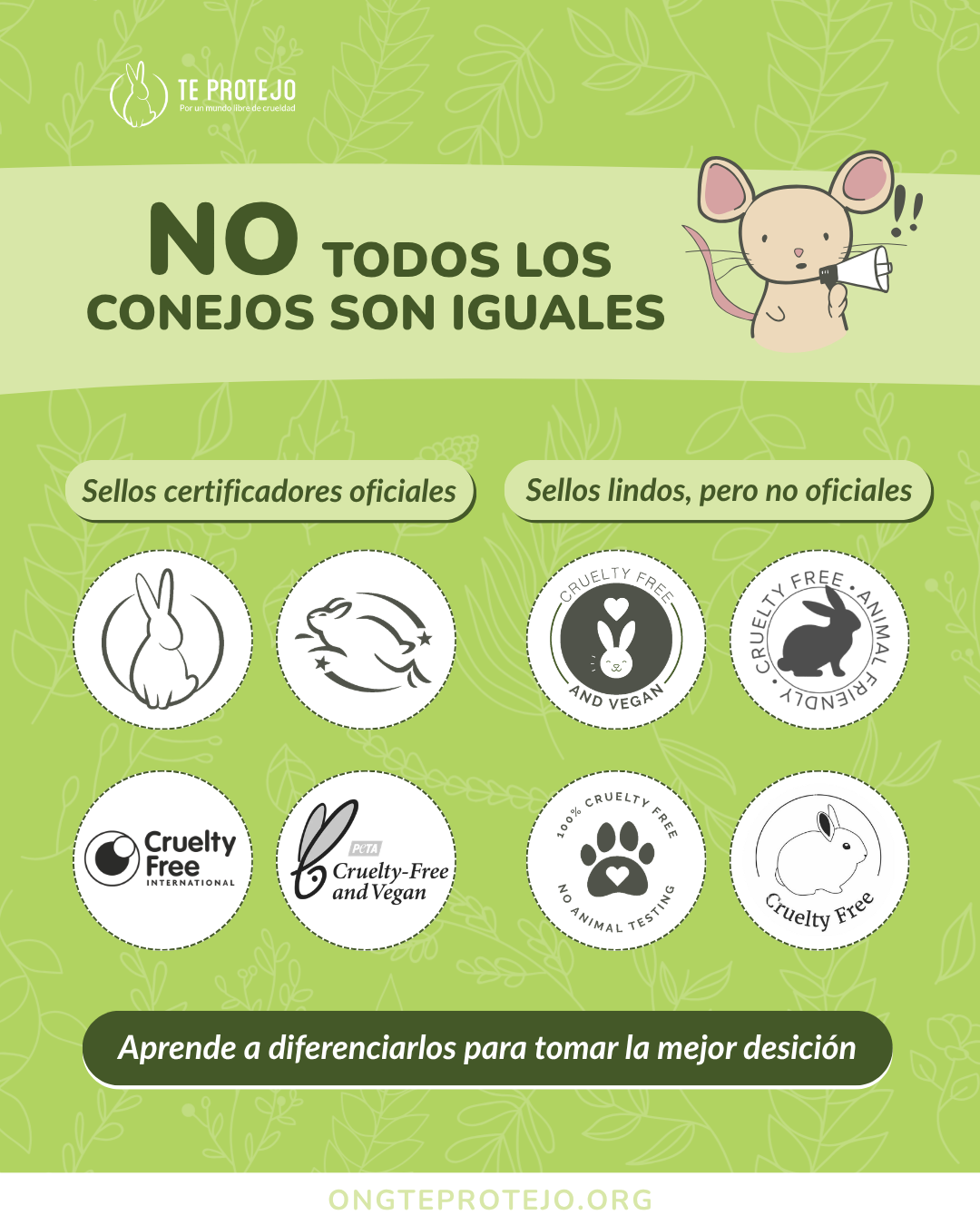
Image by Te Protejo
If you'd like to learn more about cruelty-free brands, we invite you to visit our list here.
The actions mentioned not only help people cope with the eco-anxiety that afflicts so many, but they also help bring about change in the face of the environmental crisis. Raising awareness, bringing about change, and taking action in response to the global climate crisis are essential to healing—even if only a little—the damage caused by humans.
We’d like to remind you that, even though the climate crisis may seem bigger than us, our actions can also bring about change and have a positive impact on both our present and our future. Let’s recycle and choose a plant-based diet, make mindful purchasing decisions, and opt for cruelty-free products. That way, in addition to reducing our carbon footprint, we’ll save the lives of other sentient beings and the planet itself. It’s not too late!
For more information on a plant-based diet, click here.
For more information on the impact of the textile industry, click here.
If you'd like to learn more about the cruelty-free world and certified brands, click here.