
Nociception and the Science of Pain in Insects
Insects have historically been excluded from the debate on animal welfare because their physiology differs from that of vertebrates, and also because of their abundance in nature. However, recent studies have begun to challenge the notion that insects cannot experience pain or suffering.
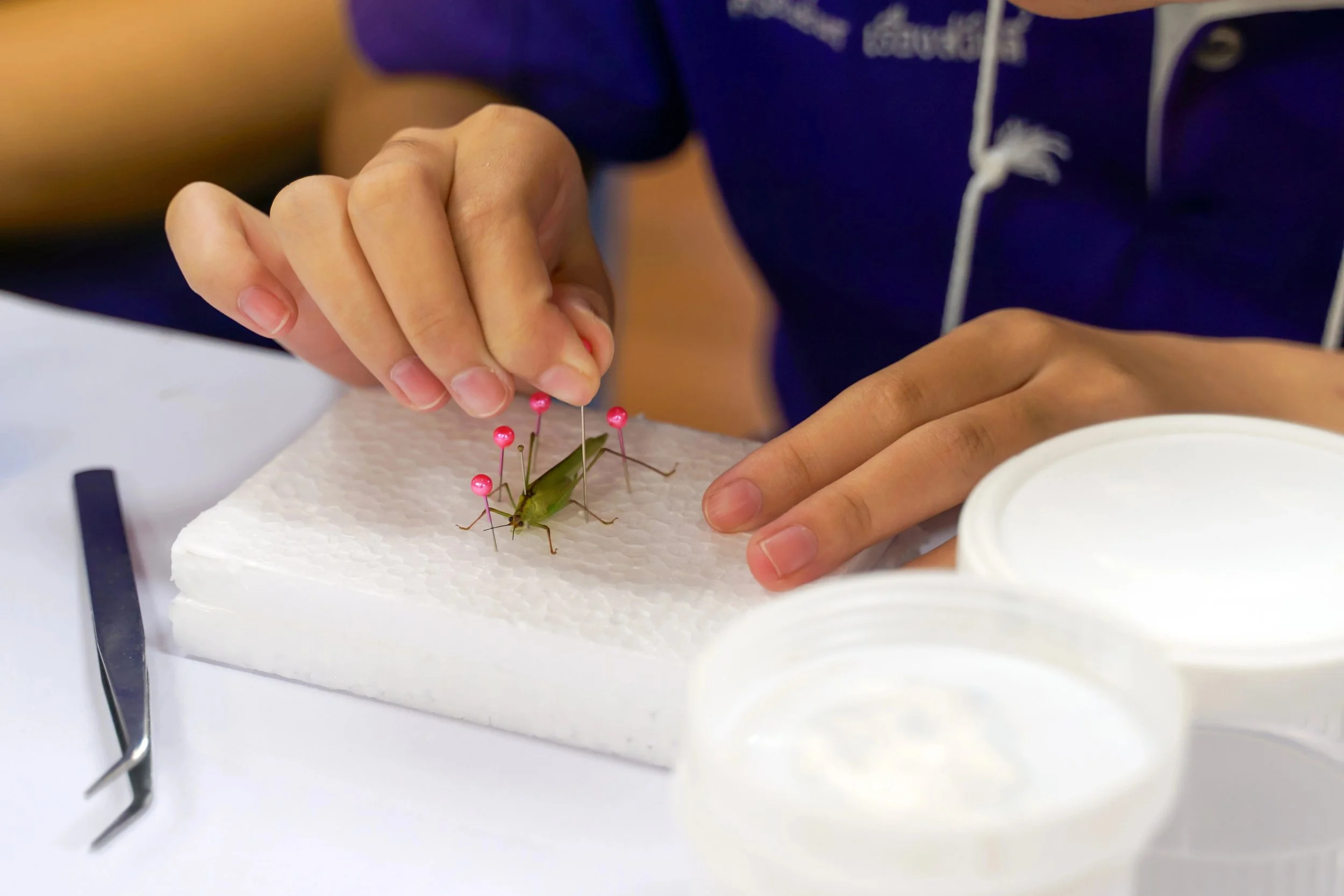
Image by Depositphotos
Insects represent the most diverse taxonomic group on the planet. They play essential ecological roles as pollinators and recyclers of organic matter, and they form the trophic base of numerous ecosystems. However, they are virtually never considered in animal welfare legislation. They are not protected by bioethical regulations in research or industry. This has allowed for their massive exploitation and unrestricted research, including toxicity testing, genetic modification, and behavioral experiments.
They have evolved in environmental and ecological contexts radically different from our own, giving rise to unique physiological and behavioral adaptations. Many insects live exposed to a wide range of extreme conditions, from desert climates to aquatic environments or thawing snow. To survive, they have developed mechanisms and adaptations that suggest that at some point in their evolution, they needed to process harmful stimuli as a way to drive changes in their behavior or morphology, such as the development of longer wings or camouflage systems to escape predators.
Insects Most Commonly Used in Science
Fruit fly
The fruit fly (Drosophila melanogaster) has been widely used in modern genetics to uncover insights into inheritance, development, and neurodegenerative diseases. However, working with them requires a high degree of intervention, ranging from chemical mutagenesis to dissections. In Chile, they are widely used in research on Alzheimer’s disease and in studies of cellular morphogenesis.
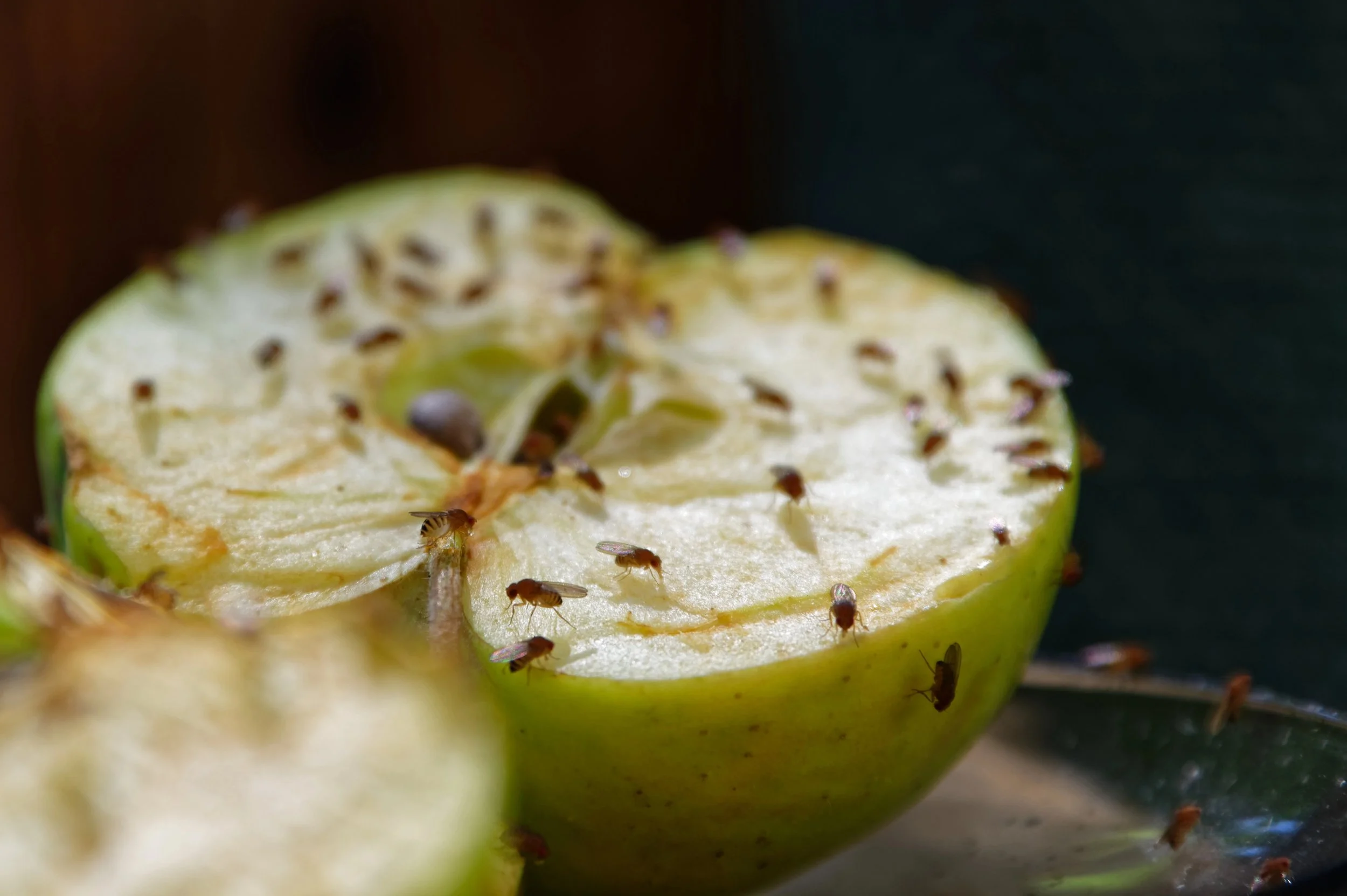
Image by Depositphotos
Mosquitoes
They are the focus of studies on infectious diseases such as malaria, dengue, and Zika, with research emphasizing vector control, population genetics, and gene editing. Their use is more closely tied to public health than that of any other invertebrate.
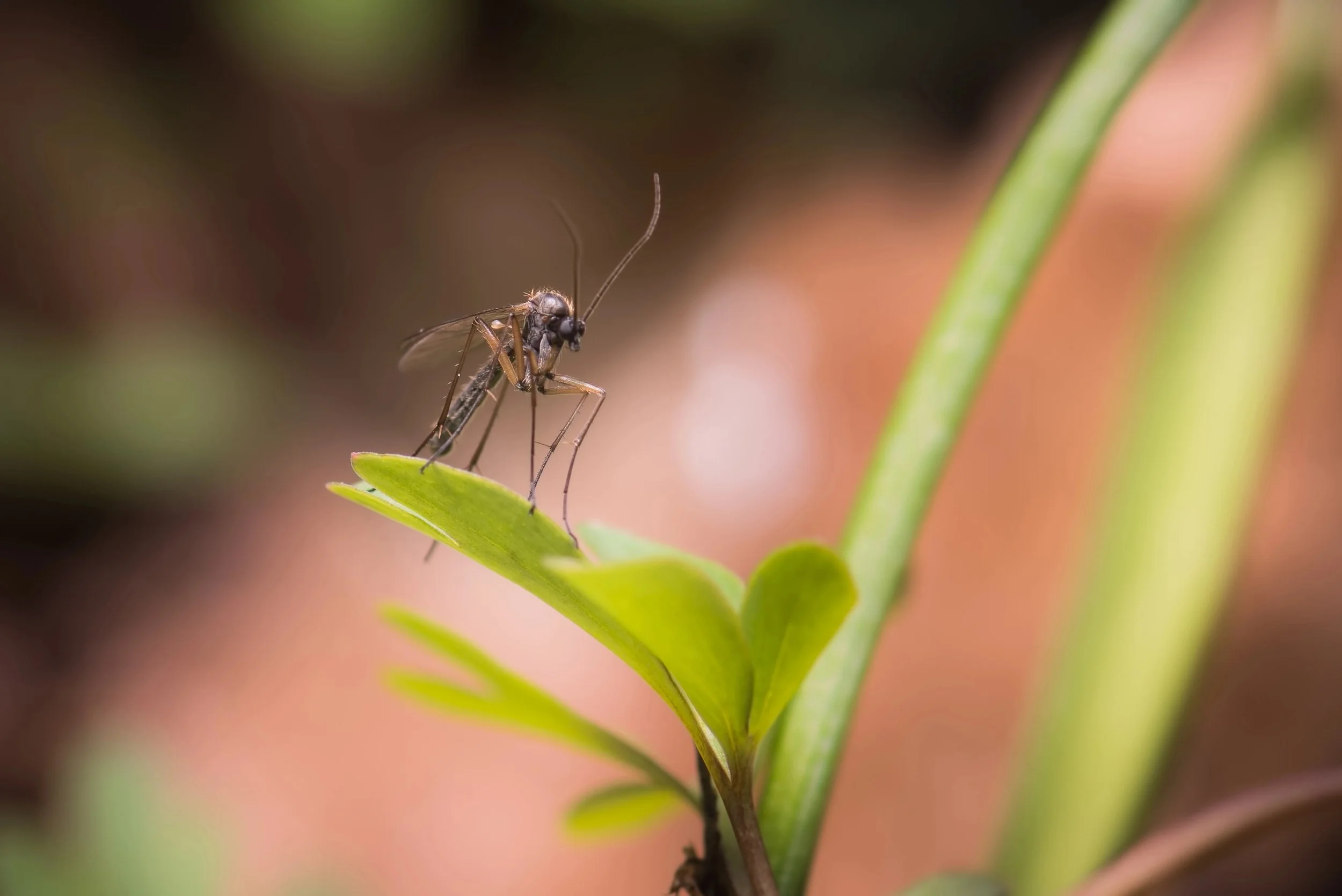
Image by Depositphotos
Bees
Bees (Apis mellifera) have been extensively studied in the field of cognition, revealing learning and decision-making abilities that challenge the notion that insects act solely on instinct.
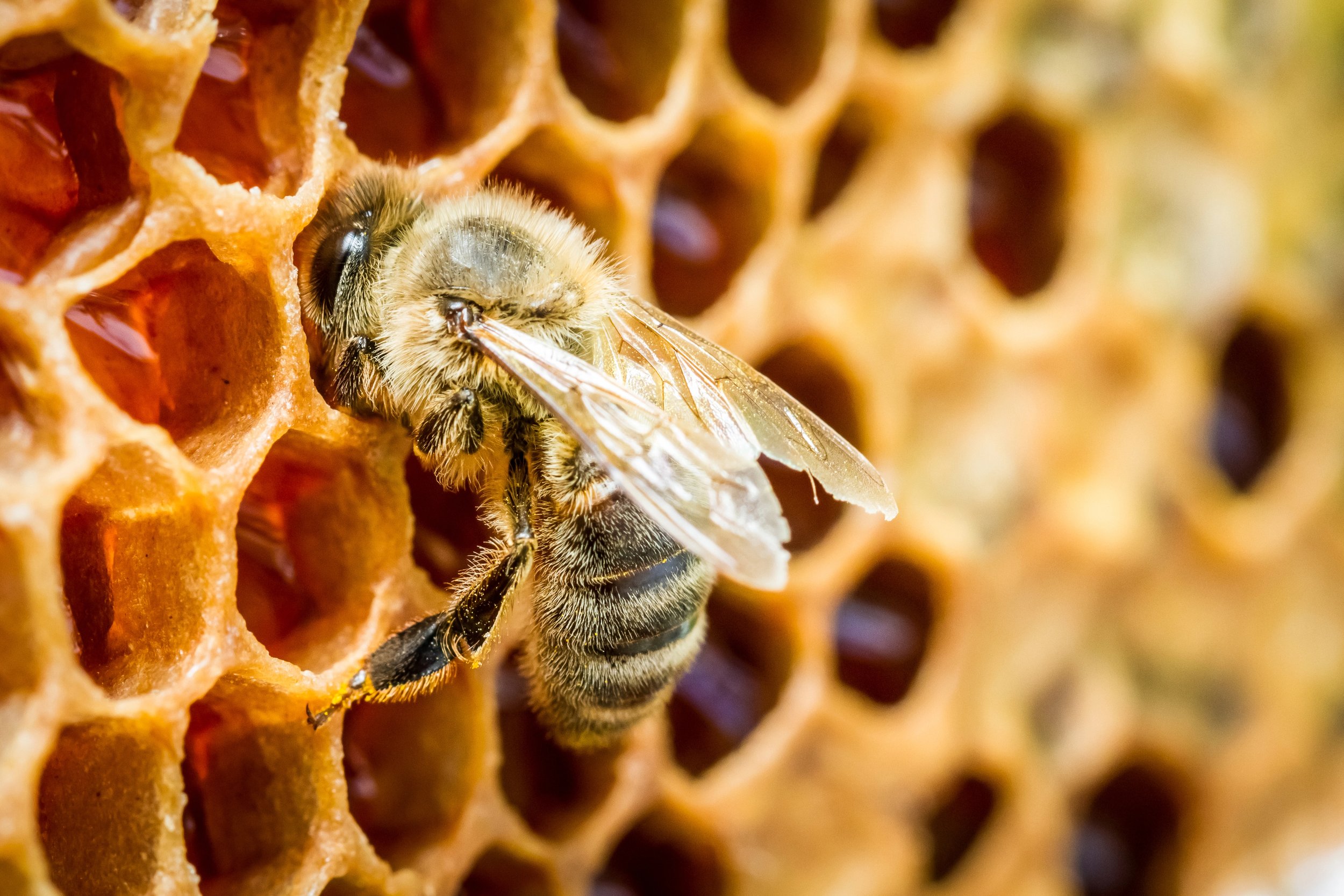
Image by Depositphotos
Moths, spiders, and cockroaches
Lepidoptera and other insects are used in ecotoxicology, collective cognition, and pesticide resistance tests. However, considerations regarding their welfare are unclear, and the traceability rate for their use is low.
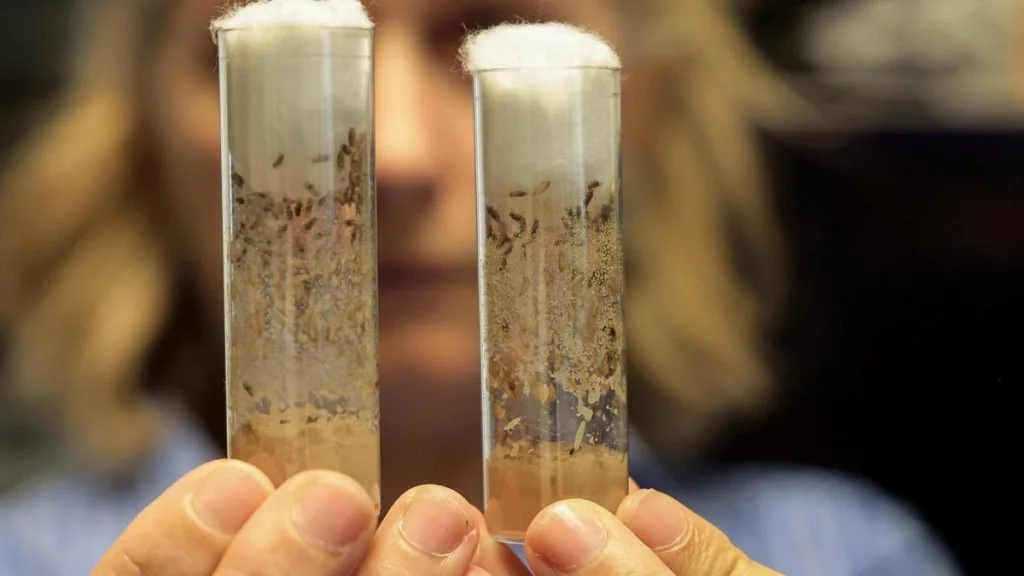
Image by Depositphotos
Biomimicry
Another of the most common uses of insects in science is in the fields of robotics, nanotechnology, and drug design. Their unique physiology and evolutionary adaptations have served as the basis for the development of bio-inspired drones, highly sensitive detection sensors, and bioactive compounds with promising medical applications. This approach, known as biomimicry, focuses on learning from the solutions that nature has perfected over millions of years.
Fortunately, this development of innovative technologies is opening up new avenues for reducing or even eliminating the use of live insects in research. Computational models and 3D cultures derived from insects represent a promising alternative. For example, molecular models and in silico systems have proven to be highly efficient in toxicology and pharmacology studies, allowing for the simulation of complex biological interactions without the need to experiment on living organisms. By combining biomimicry with these technologies, we can continue to harness the potential of insects as a source of inspiration without compromising their well-being.
Do insects feel pain?
The ability to detect and respond to potentially harmful stimuli is a widely observed phenomenon in insects, particularly in model organisms such as Drosophila. This organism, although small and seemingly simple, possesses a specialized nervous system that allows it to detect and react to harmful stimuli such as extreme temperatures, mechanical damage, and toxic substances. The question that arises is whether these responses are merely reflexes or involve some degree of subjective experience—that is, whether insects feel pain. Accumulated evidence shows that, for example, fruit flies possess sensory receptors known as nociceptors, which are activated by potentially harmful stimuli. When a fruit fly comes into contact with a hot surface, its nociceptors send signals to the central nervous system, triggering a rapid escape response. At first glance, this reaction might be interpreted as a simple reflex, similar to when we pull our hand away upon touching a hot frying pan. However, more in-depth studies have revealed that repeated exposure to pain in Drosophila leads to behavioral changes, such as avoidance of environments or stimuli associated with painful experiences. This suggests that, beyond a reflexive response, there is a degree of central processing.
Why Is It Difficult to Understand Pain in Invertebrates?
The major difference between insects and vertebrates lies in the structure and complexity of their nervous systems. Insects lack a cerebral cortex, a region of the central nervous system (CNS) that, in vertebrates, is associated with the conscious perception of pain. Instead, they possess a structure called the central ganglion, which coordinates adaptive responses and learning processes. Although this structure is much less complex than the vertebrate brain, some researchers have proposed that it might allow insects to experience something similar to conscious aversion. For example, studies on bees and ants have shown that they learn to associate certain stimuli with negative consequences, suggesting an ability to process and remember harmful experiences.
The study of nociception in insects raises fundamental questions about the limits of sentience and the need to rethink how we treat these organisms. Although their ability to experience pain remains a matter of debate, the lack of ethical safeguards in their scientific and commercial use calls for a review of our practices. Including insects in the debate on animal welfare is a necessary step toward a more responsible and compassionate science.
Bibliography
Oliveira, E. M., & Roberto, G. J. (2014). Animal protection legislation for scientific purposes and the exclusion of invertebrates—a bioethical analysis. Revista Bioética, 22, 45–56. https://www.scielo.br/j/bioet/a/qt4gn5t9wM869tq6B5NjLNy/
Baracchi, D., & Baciadonna, L. (2020). Insect sentience and the rise of a new inclusive ethics. Animal Sentience, 5(29). https://doi.org/10.51291/2377-7478.1604
van Huis, A. (2020). Welfare of farmed insects. Journal of Insects as Food and Feed, 7(5), 1–12. https://doi.org/10.3920/jiff2020.0061
Milinkeviciute, G., Gentile, C., & Neely, G. G. (2012). Drosophila as a tool for studying the conserved genetics of pain. Clinical Genetics, 82(4), 359–366. https://doi.org/10.1111/j.1399-0004.2012.01941.x
Hesselson, D., Walker, D. S., Massingham, J. N., Schafer, W. R., Neely, G. G., & Chew, Y. L. (2020). Invertebrate Models of Nociception. The Oxford Handbook of the Neurobiology of Pain, 61–100. https://doi.org/10.1093/oxfordhb/9780190860509.013.8
He, J., Li, B., Han, S., Zhang, Y., Liu, K., Yi, S., Liu, Y., & Xiu, M. (2022). Drosophila as a Model to Study the Mechanism of Nociception. Frontiers in Physiology, 13. https://doi.org/10.3389/fphys.2022.854124
de Bono, M., & Maricq, A. V. (2005). Neuronal substrates of complex behaviors in C. elegans. Annual Review of Neuroscience, 28, 451–501. https://doi.org/10.1146/annurev.neuro.27.070203.144259
Tobin, D. M., & Bargmann, C. I. (2004). Invertebrate nociception: behaviors, neurons, and molecules. Journal of Neurobiology, 61(1), 161–174. https://doi.org/10.1002/neu.20082
Giurfa, M. (2013). Cognition with few neurons: higher-order learning in insects. Trends in Neurosciences, 36(5), 285–294. https://doi.org/10.1016/j.tins.2012.12.011
Urquiza, S. P. (2021). ELEMENTARY CONCEPTS ABOUT THE STRUCTURE AND EVOLUTION OF THE NERVOUS SYSTEM OF SOME INVERTEBRATES. REBIOL, 24(2), 256–276. https://doi.org/10.17268/rebiol.2021.41.02.11
Vergoz, V., Roussel, E., Sandoz, J.-C., & Giurfa, M. (2007). Aversive Learning in Honeybees Revealed by the Olfactory Conditioning of the Sting Extension Reflex. PLoS ONE, 2(3), e288. https://doi.org/10.1371/journal.pone.0000288
Sheikh, A., Kashmir, S., Srinagar, J., Rehman, I., Kumar, I., Ahmad, A., & Kumar, R. (2017). Diverse adaptations in insects: A Review. ~ 343 ~ Journal of Entomology and Zoology Studies, 5(2), 343–350. https://www.entomoljournal.com/archives/2017/vol5issue2/PartE/5-1-73-110.pdf
Verdú Faraco, J. R., Galante Patiño, E., & Numa Valdez, C. (2008). Invertebrate conservation in Spain: a historical perspective. Cuadernos de Biodiversidad, 25, 3–8. https://doi.org/10.14198/cdbio.2008.25.01
Boppré, M., & Vane-Wright, R. I. (2019). Welfare Dilemmas Created by Keeping Insects in Captivity. Animal Welfare, 23–67. https://doi.org/10.1007/978-3-030-13947-6_3
Imoleayo, Oyeniran, O. (2019). Drosophila melanogaster: A Veritable Genetic Tool and in vivo Model for Human Alzheimer’s Disease. Journal of Pharmaceutical Research International, 1–9. https://doi.org/10.9734/jpri/2019/v30i230264
Caldero-Escudero, E., & Romero-Sanz, S. (2024). Caenorhabditis elegans as an animal model for scientific research. Clínica, 29, 67–69. https://doi.org/10.24197/cl.29.2024.67-69
McCabe, S. I. (2010). Behavioral Biology of Nectar-Collecting Bees: A Comparative Study of Melipona and Honeybees. Doctoral Dissertation. https://bibliotecadigital.exactas.uba.ar/download/tesis/tesis_n5068_McCabe.pdf
Muñíz, R. (2017). BIOMIMICRY: DESIGN TOOLS INSPIRED BY NATURE. Rev. Tekhné, 20, 23-038. https://oaji.net/articles/2019/7118-1559745496.pdf
Lee, S. Y., Lee, D. Y., Kang, J. H., Jeong, J. W., Kim, J. H., Kim, H. W., Oh, D. H., Kim, J.-M., Rhim, S.-J., Kim, G.-D., Kim, H. S., Jang, Y. D., Park, Y., & Hur, S. J. (2022). Alternative experimental approaches to reduce animal use in biomedical studies. Journal of Drug Delivery Science and Technology, 68, 103131. https://doi.org/10.1016/j.jddst.2022.103131
Peláez, A., & Mejía, S. (2025). BASIC CONCEPTS OF MATHEMATICAL MODELING AND COMPUTATIONAL SIMULATION OF BIOLOGICAL SYSTEMS. CES Odontología, 13(1), 51–55. https://revistas.ces.edu.co/index.php/odontologia/article/view/763
Fuentes Condori, R., & Vargas Aguilar, A. A. (2021). In silico studies: Simulating life in a virtual environment. Gaceta Medica Boliviana, 44(2), 278–279. https://doi.org/10.47993/gmb.v44i2.263