The European Union Bans Animal Testing of Detergents: Here Are All the Details
In January 2026, the European Parliament approved the proposal for a Regulation of the European Parliament and of the Council on detergents and surfactants, which updates the regulations by banning safety testing of these products on animals.

Image by Depositphotos
Reasons for the change
The European Commission’s evaluation of the Detergents and Surfactants Regulation identified the need to improve this regulatory framework, given the emergence of new products and formats on the market, as well as the need to simplify and digitize regulatory processes.
Surfactants
First, concerns have been raised about surfactants—agents that help break down the interface between water and oils or dirt—which are one of the main ingredients in detergents. These can pose a risk to the environment if discharged into the sewer system or directly into surface waters; therefore, it is a priority to establish requirements that ensure their complete biodegradability for use in detergents.
Use of Live Microorganisms
Second, innovation has led to the development of new cleaning products that contain live microorganisms as active ingredients; these products operate on a different principle because they have their own biology, a factor that was not addressed in previous regulations on this subject.
Elimination of Animal Testing
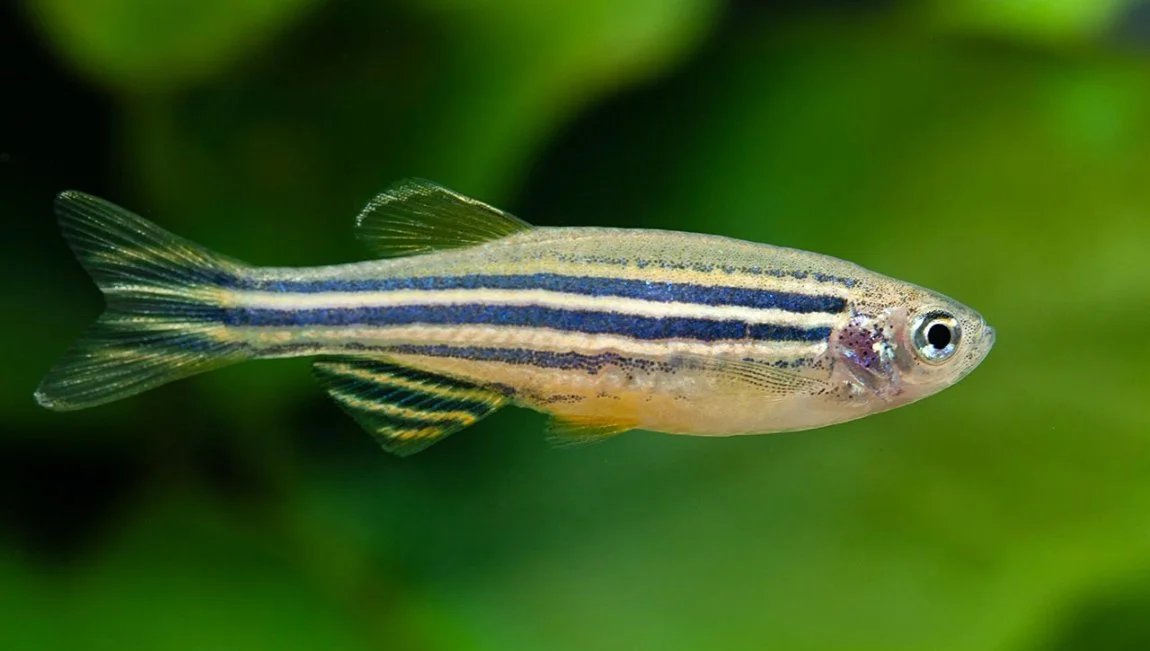
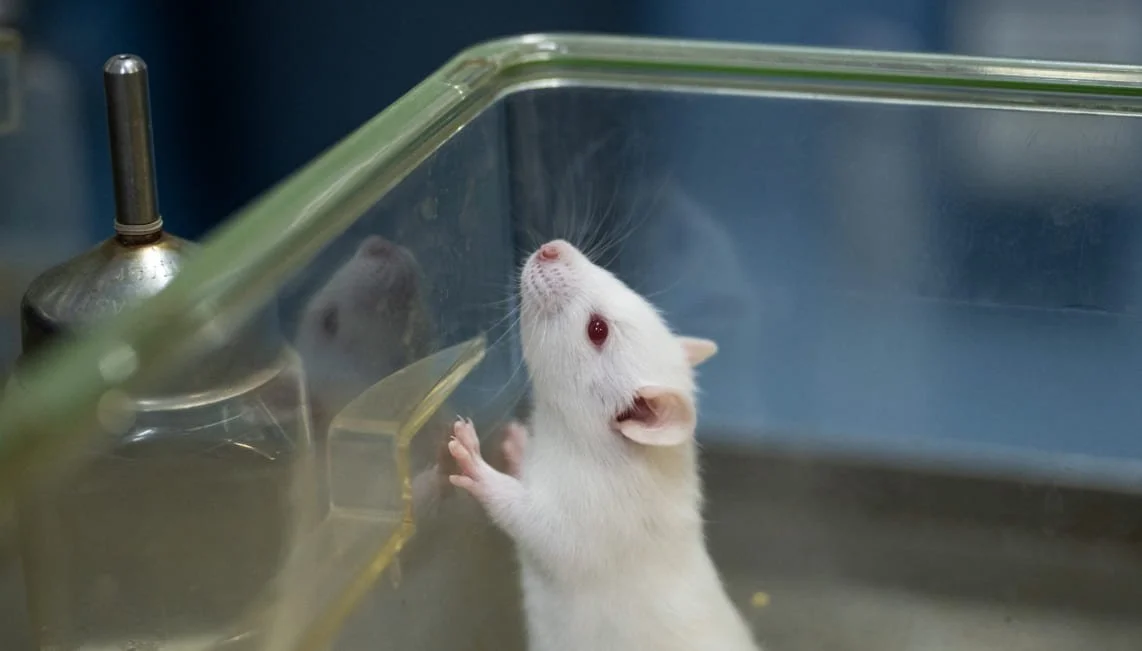
Third, at the request of Parliament, a new article was added that prohibits safety testing on animals, thanks to a petition that gathered nearly 1.5 million signatures from European citizens titled “Save Cruelty-Free Cosmetics – Commit to a Europe Without Animal Testing.”
This proposal is in line with Directive 2010/63/EU of the European Parliament and of the Council, addressing the urgent need to replace, reduce, or refine animal testing, with the aim of phasing out its use in testing as soon as possible.
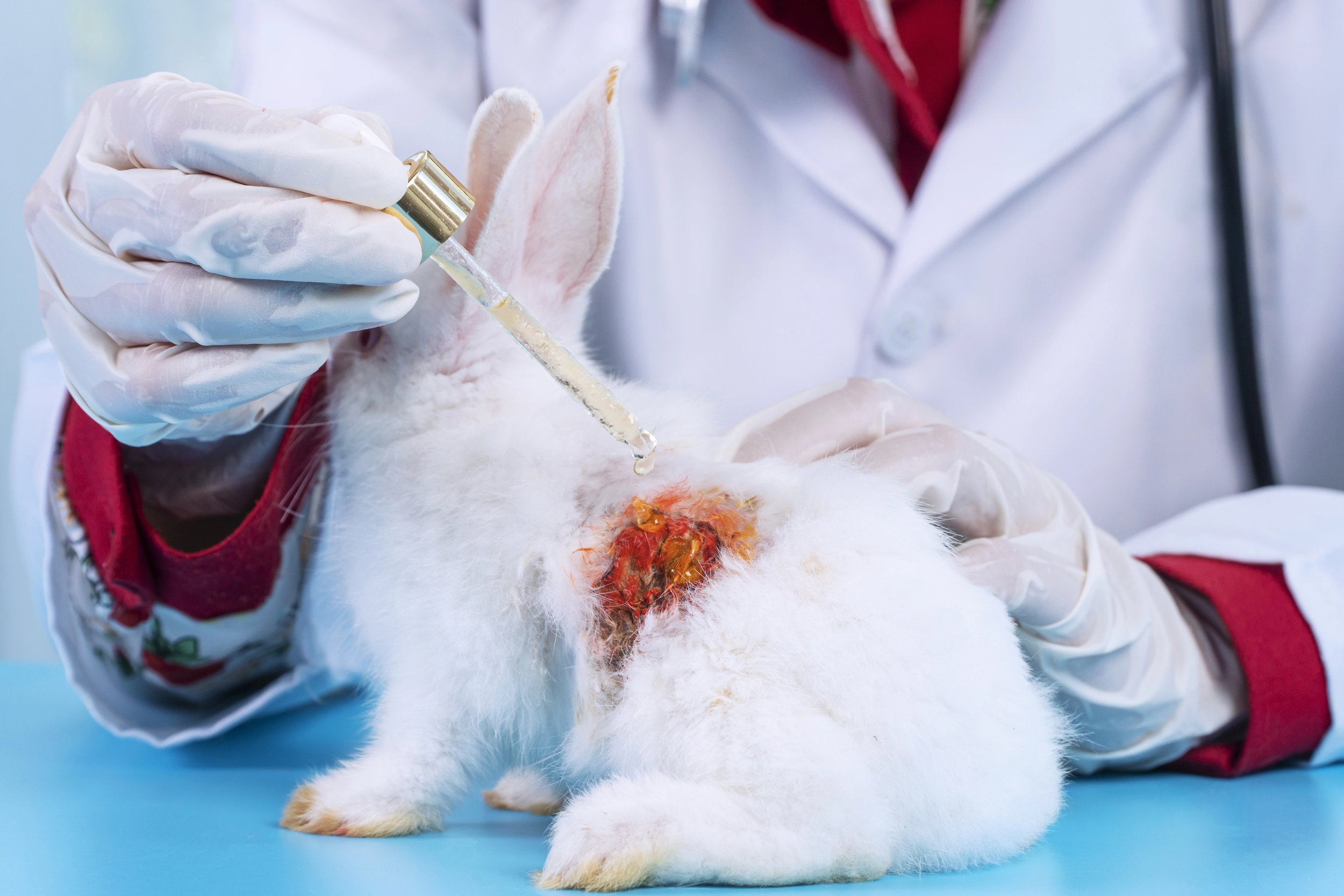
Image by Depositphotos
Ban on Animal Testing
The new regulations stipulate that the safety of detergents and surfactants must be established using validated “new approach” methods that do not involve animal testing and have been adopted at the European Union level, thereby prohibiting:
The testing of finished detergents and surfactants, or of ingredients or combinations of ingredients, on animals within the European Union for the purpose of complying with the requirements of this regulation.
The marketing of detergents and surfactants whose final formulation, ingredients, or combinations of ingredients have been tested on animals in order to comply with the requirements of this Regulation.
Exceptions to the ban
The provision states that, in exceptional circumstances, when doubts arise regarding the safety of a detergent ingredient, the Commission may adopt a decision granting an exemption from the ban on animal testing or on the marketing of such products.
Circumstances Under Which Exceptions May Be Requested
An exception will be granted provided that:
The ingredient is widely used and cannot be replaced by another ingredient capable of performing a similar function,
The human health concern is well-founded, and the need to conduct animal testing is justified and supported by a detailed research protocol proposed as the basis for the evaluation.
Application
The Commission may grant the exemption upon a reasoned request from an economic operator or a Member State, or on its own initiative. In the first case, the request must include an assessment of the situation and specify the necessary measures. On this basis, the Commission, after consulting the relevant scientific committee, agency, or body, may adopt a decision authorizing the exemption.
Decision
The decision must set forth the conditions of the exception, taking into account the specific objectives, duration, and information on the results.
Image by Depositphotos
Regulations Governing Filings
Cruelty-Free Product Declaration
The use of the statement “cruelty-free” or similar claims will be permitted only if it is guaranteed that no animal testing was conducted during manufacturing or in the tests required by regulations. To this end, the manufacturer and its suppliers must make every reasonable effort to ensure that no animal testing has been conducted or commissioned on the finished detergent or surfactant, its prototype, or any of its ingredients, and that no ingredients tested on animals by third parties have been used to develop new detergents or surfactants.
Vegan Product Declaration
This regulation introduces a new provision governing the “vegan” product label, stating that a product may be labeled as “vegan” or with a similar designation if no animal-derived ingredients or animal by-products were used in the manufacture or development of the product.
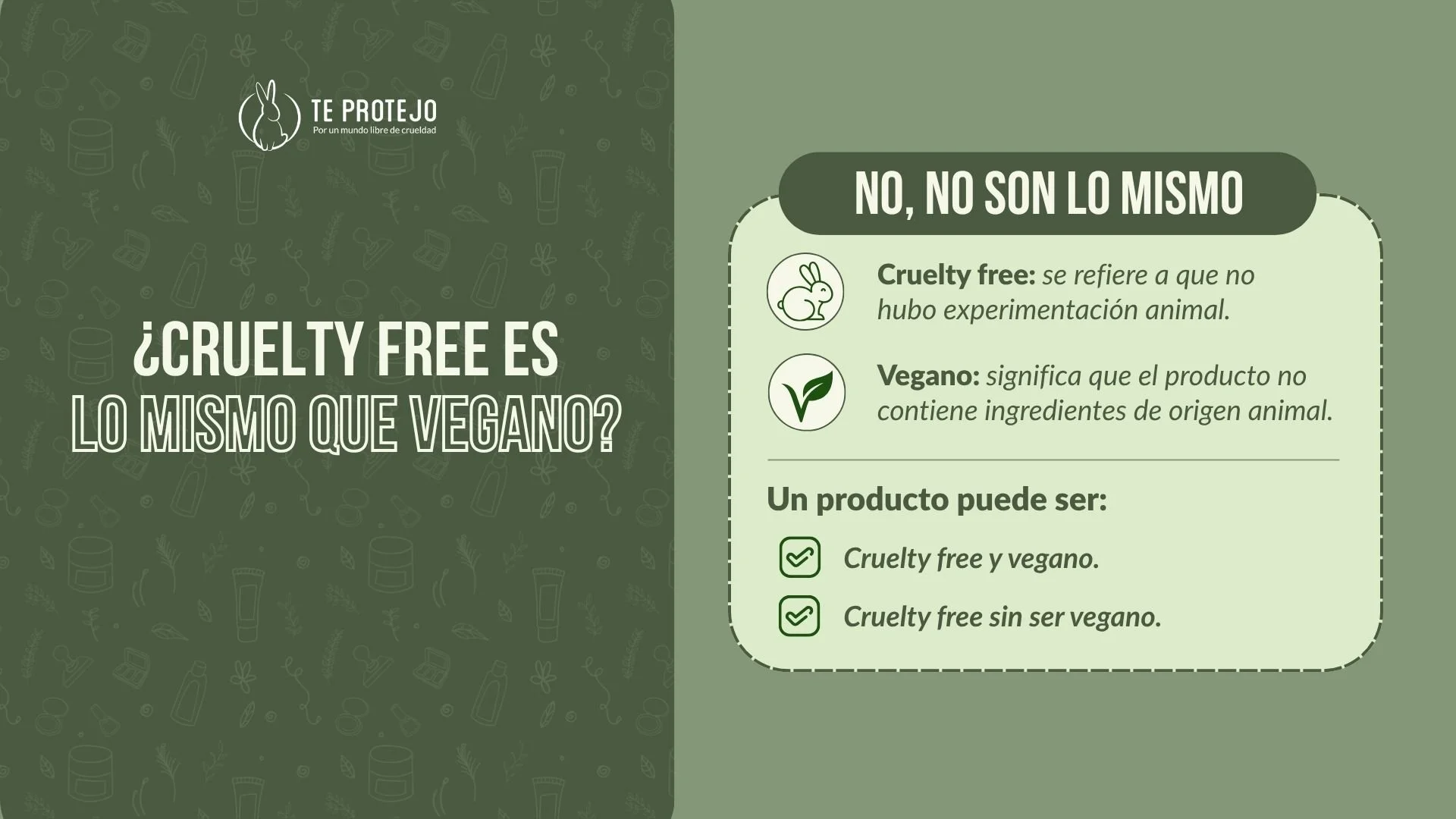
Image by Te Protejo
Entry into Force and Implementation
This regulation will enter into force on the twentieth day following its publication in the Official Journal of the European Union and will take effect 30 months after its entry into force, which will be in mid-2029.
Source: C/2025/1354 - Legislative Resolution of the European Parliament of February 27, 2024, on the proposal for a regulation of the European Parliament and of the Council on detergents and surfactants, amending Regulation (EU) 2019/1020 and repealing Regulation (EC) No 648/2004 (COM(2023)0217 – C9-0154/2023 – 2023/0124(COD)), available at: https://eur-lex.europa.eu/legal-content/EN/TXT/HTML/?uri=OJ:C_202501354