8M: Let's Talk About Patriarchy and Animal Exploitation
Exploring the connection between patriarchy and animal exploitation sheds light on how different systems of domination have exercised control over the reproduction and bodies of human and non-human females, opening a conversation about justice and autonomy for all living beings.
On International Women’s Day, there are many reflections on the progress and challenges women face in society. In this context, it is also important to acknowledge a reality that often goes unnoticed: the exploitation of female animals of other species, whose reproductive role has historically been exploited by production systems that prioritize productivity over their well-being.
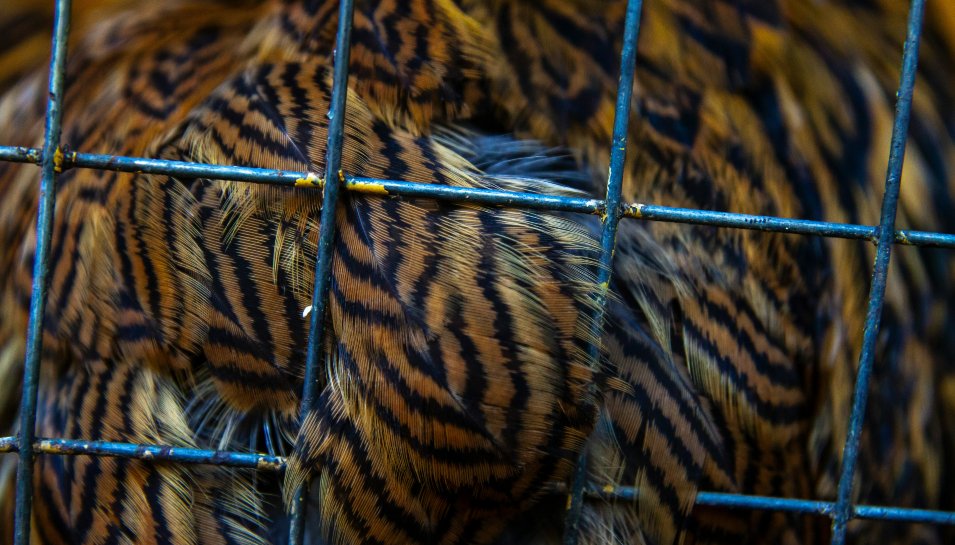
Image by Depositphotos
Patriarchy and Reproductive Exploitation
Patriarchy is based on control over bodies, and this has not only happened to women but also to females of other species. In various production industries, hens have been reduced to tools for producing eggs and cows to milk-producing machines. This control over their bodies is not accidental; rather, it reflects a logic of domination that historically has also limited women’s reproductive autonomy, reducing them to their biological role.
In Latin America, various phrases that have become normalized in society when referring to women—such as “it had to be a woman,” “you must be on your period,” “you don’t have to understand them, just love them,” “but how was she dressed?”, among many others, demonstrate just how deeply entrenched the idea remains that women do not have full autonomy over their bodies or their reproductive lives. While this debate exists regarding women’s bodies, the situation is even more evident in the case of women exploited in production systems.
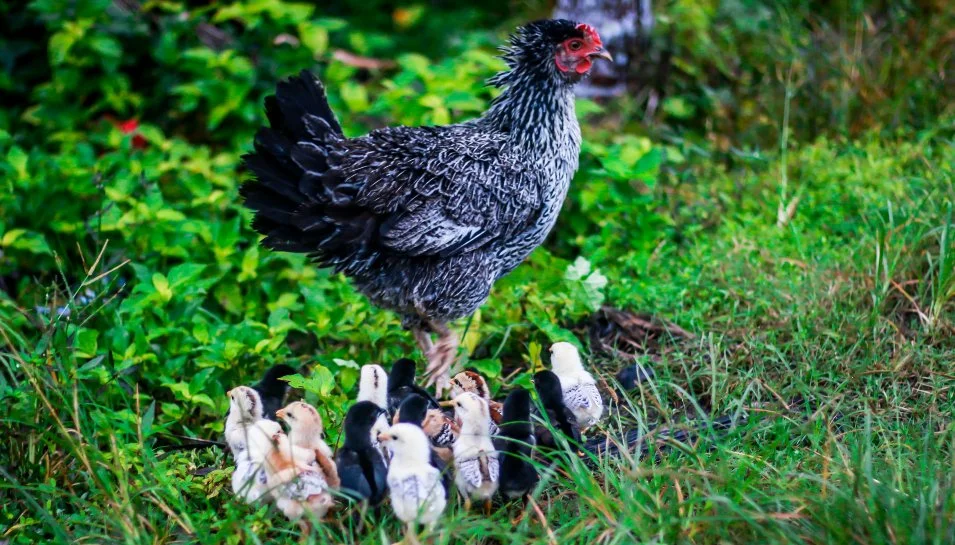
Image by Depositphotos
Specific examples: chickens, cows, rats, and rabbits
In the egg industry, many hens are kept in cages with very limited space, which significantly restricts their natural behaviors and subjects them to constant production cycles that undermine their well-being. In the case of dairy cows, they are often artificially inseminated to maintain milk production and are separated from their calves shortly after birth.
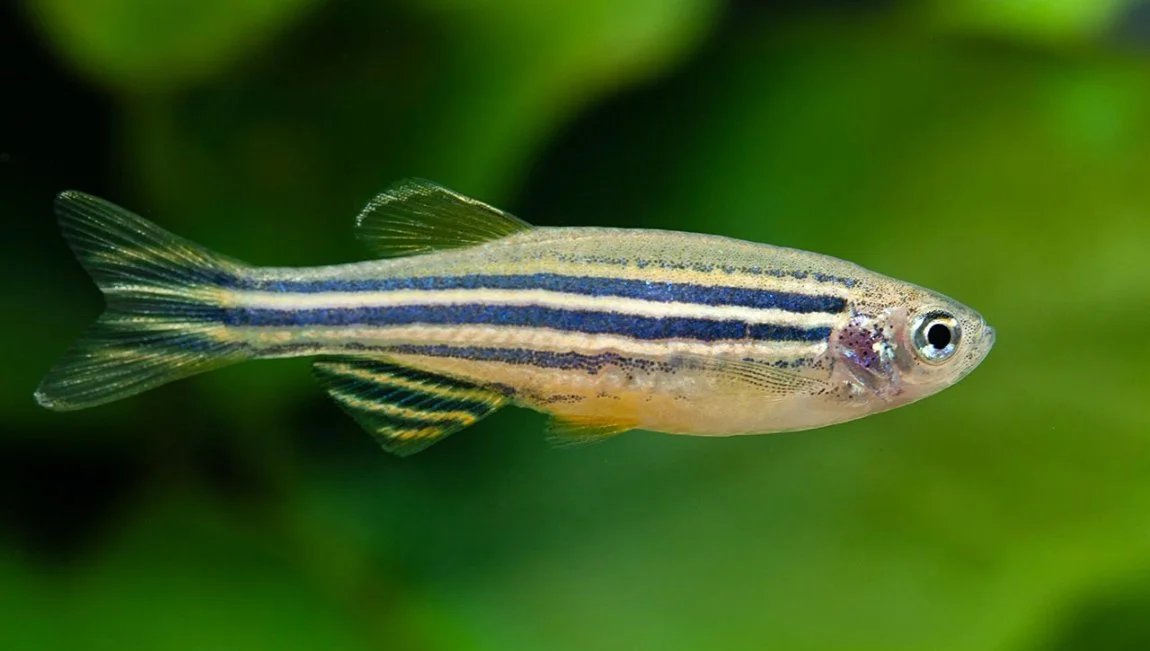
This reality is not limited to the food industry. In laboratories around the world, rats and rabbits—animals with a high reproductive capacity—are used in experiments. In many cases, they are forced to reproduce and then separated from their offspring as part of various scientific procedures. These are millions of females whose reproductive cycles are exploited without any choice or opportunity to exercise the motherhood they were forced into.
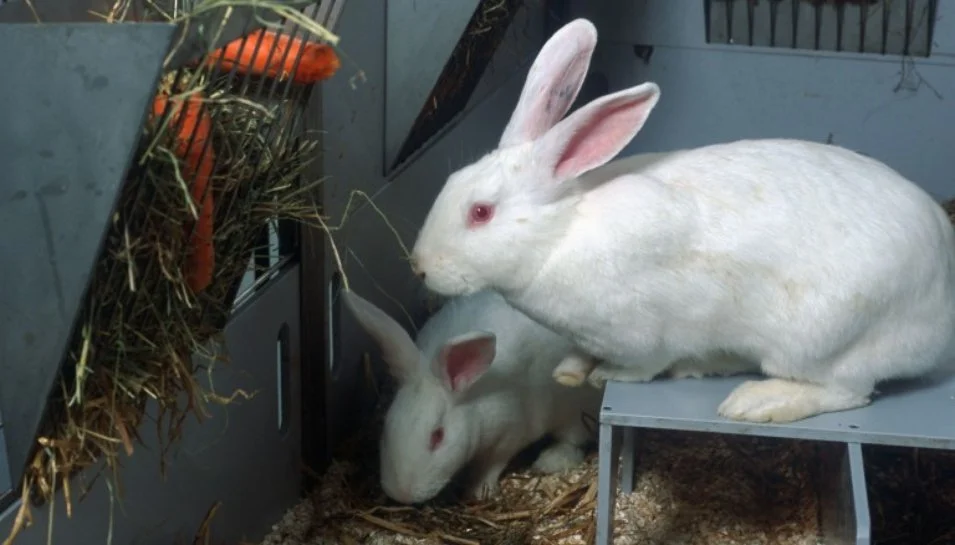
Image by Depositphotos
The Importance of Autonomy in Reproduction
Just as women have historically fought for the right to make decisions about their bodies and motherhood, it is also possible to reflect on the reproduction of females in other species. In various production systems, their reproductive cycles are controlled and exploited for economic purposes, without regard for their well-being or natural needs. From a perspective of respect for animals, reproduction should not be a tool of exploitation, but rather a process that recognizes their value and integrity.
In the context of International Women’s Day, this reflection also invites us to consider how the struggles for bodily autonomy have made progress but still face significant challenges. Broadening our perspective to include other forms of exploitation allows us to challenge systems that are sustained by the control of bodies and the instrumentalization of reproduction. In this sense, choosing vegan and cruelty-free products is a way to promote change in industries that rely on these systems of exploitation.
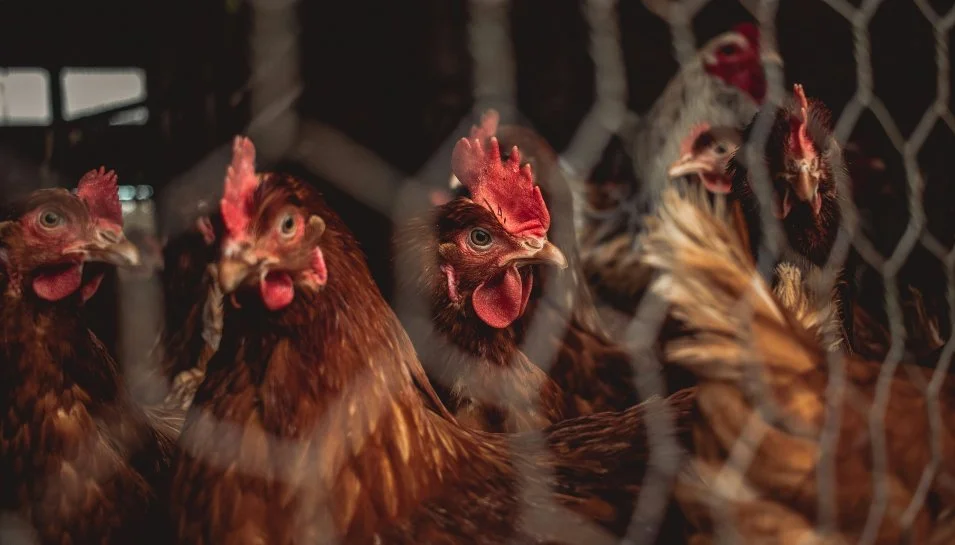
Image by Depositphotos
Recommended Reading
The Sexual Politics of Meat
To explore the relationship between patriarchy and animal exploitation in greater depth, Carol J. Adams’ book *The Sexual Politics of Meat* proposes an analysis of how the consumption of meat and animal products is linked to a culture of domination that has also objectified women’s bodies. The author argues that language and certain cultural practices reflect these connections, whether through the use of expressions that compare women to animals or by describing animals using terms typical of industrial processes. This work offers a broad perspective on the intersection of feminism and animal rights.
ECOFEMINIST KEY POINTS
This book by Spanish philosopher Alicia Puelo invites us to reflect on ecofeminism and society’s androanthropocentric perspective, and to imagine a future where caring for nature and feminism can be the solution to the oppressions imposed by patriarchy. Puelo theorizes about the existence of oppressive dualisms, in which women and nature form the pair dominated by men and culture—a dynamic that justifies various social practices which, within the concept of culture, perpetuate the foundations of oppression, such as bullfighting.
ANIMAL ETHICS
This book by Angélica Velasco examines how animal ethics has taken shape from its emergence in the last third of the 20th century to the present day. Although statistics show that women make up the overwhelming majority of the animal rights movement, it is men who have received the overwhelming majority of recognition for their contributions. This book questions why animal ethics has downplayed empathic emotions as a relevant factor in forming ethical stances toward animals.
As we delve deeper into these reflections, it is important to continue exploring how different forms of domination are intertwined in society. To this end, we can review the sequence of content developed within the context of 8M, which addresses these topics from different perspectives, broadening the conversation about autonomy, justice, and respect for all living beings.