The law banning animal testing for cosmetics in Colombia takes effect
In 2020, Colombia enacted Law 2047, which prohibits animal testing for cosmetic purposes. This legislation encourages both the public to choose products that respect other sentient beings and laboratories to develop and implement alternative methods.
Effective August 10, 2024, Law 2047 prohibits the testing, export, import, manufacture, and sale of cosmetic products, as well as their ingredients or combinations, that have been tested on animals within Colombian territory after the law’s effective date.
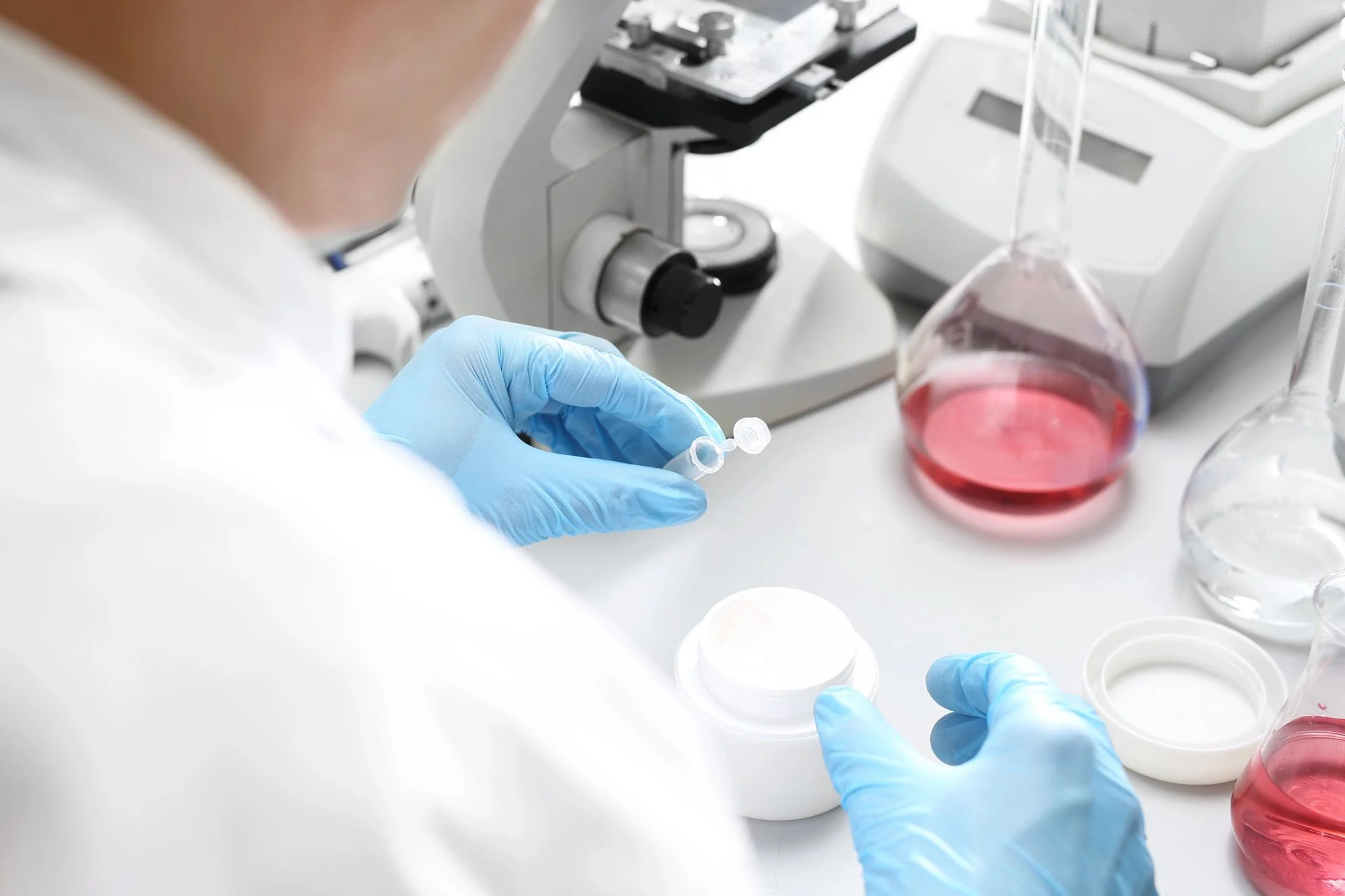
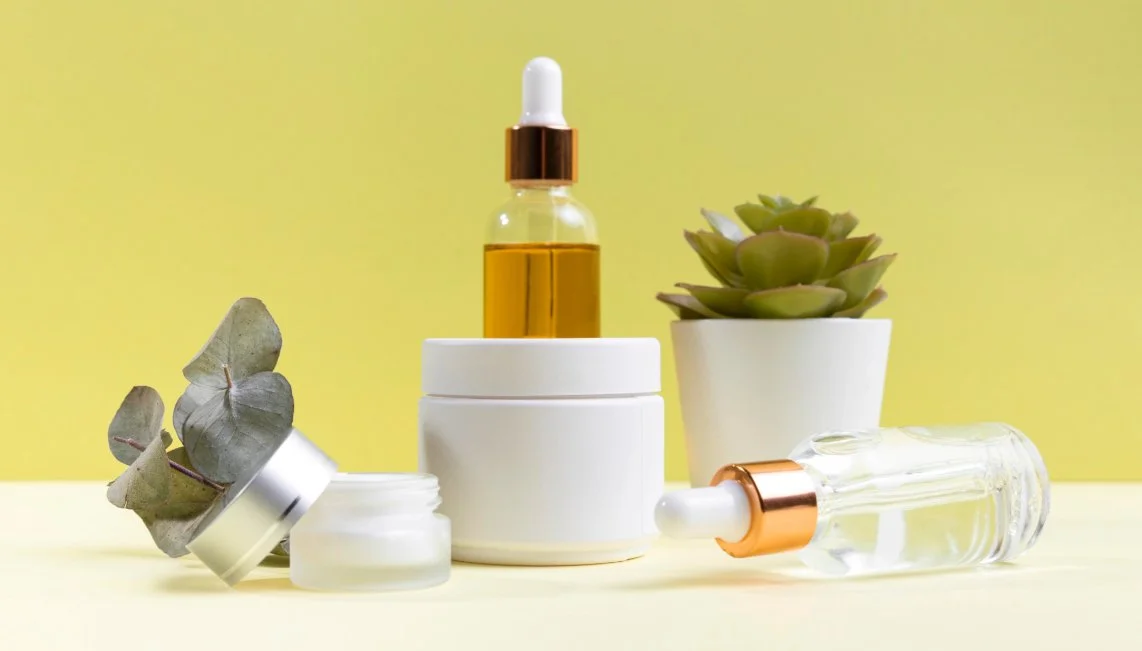
Image by Depositphotos
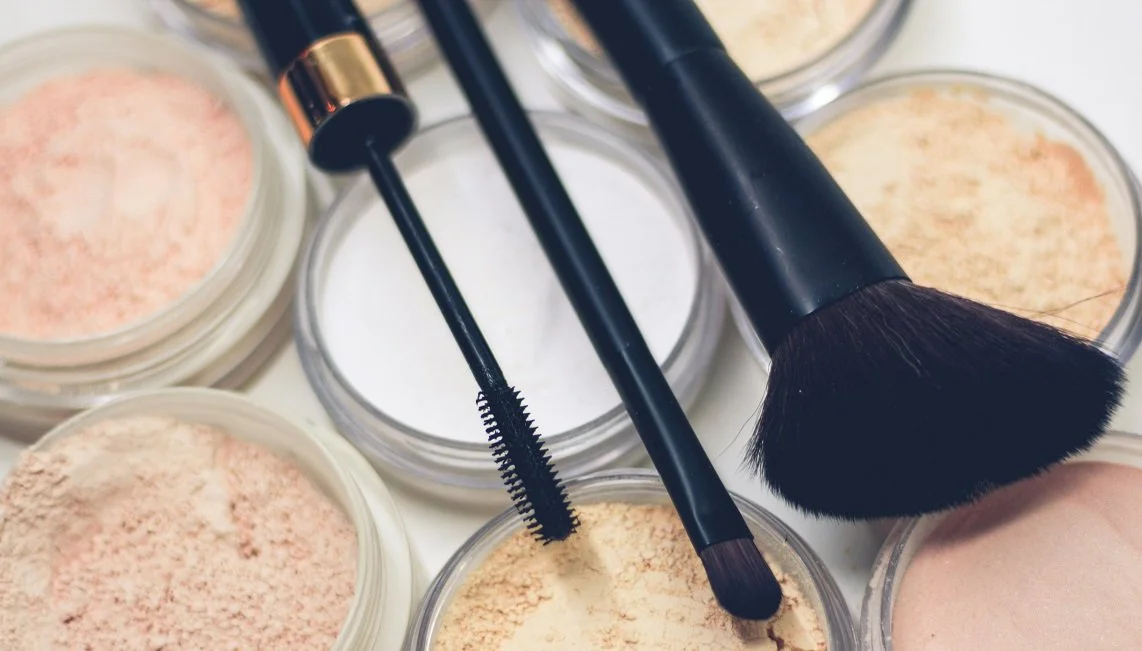
Law 2047, published in 2020 in the Official Gazette of Colombia, defines a cosmetic product as any substance or formulation intended to come into contact with the surface areas of the human body, the teeth, or the oral mucosa, for the purpose of cleaning, perfuming, protecting, maintaining them in good condition, correcting odors, or improving their appearance. This includes items such as makeup, soaps, creams, sunscreens, deodorants, shaving creams, ointments, and gels, among others.
The regulation also establishes two exceptions to the general prohibition. The first applies when an ingredient must undergo safety testing due to health or environmental risks and there are no alternatives validated by the international scientific community. The second applies when safety data obtained through animal testing was generated for a purpose other than cosmetics.
In the event of noncompliance, individuals or companies may be sanctioned by the National Institute for Food and Drug Surveillance (Invima) with fines ranging from 133 to 50,000 times the legal monthly minimum wage, which can amount to nearly 65,000 million Colombian pesos.
In addition, the law establishes incentives for the development and adoption of alternatives to the use of animals. According to the official document, the government must facilitate the strengthening of laboratories and research institutions that implement alternative models validated by the international scientific community. These incentives will be provided through funding grants announced annually by the Ministry of Science, Technology, and Innovation for 15 years following the enactment of the law.

Image by Consultorsalud
It is noteworthy that the regulation is aligned with current legislation in Europe and the United States, complying with public safety and animal welfare standards, while also offering a significant opportunity for the export of products from the Colombian cosmetics industry.
However, Juan Carlos Losada, the representative and author of the bill, noted that the regulations for the law have not yet been drafted because the agency responsible for drafting them has been changed several times, which has hindered effective oversight of the regulations. In light of this situation, Losada filed a compliance action with the aim of pressuring the government and ensuring that the regulations are finalized.
Although the regulation has not yet been published, the congressman noted that animal testing for cosmetic purposes and the importation of tested products are already prohibited in Colombia, describing the regulation as a “historic achievement” for the country and for Latin America.
With this law, Colombia joins Mexico, Guatemala, Chile, and Brazil among the countries in the region that have implemented more ethical legislation in the cosmetics industry, promoting the development and adoption of alternative methods that do not require the use of animals.
If you want to support a cosmetics industry that doesn't test on animals, always remember to choose products certified as cruelty-free. Check out the complete list of brands here.