Chile 2025: Half of the Presidential Candidates Ignore the Animal Welfare Agenda
Only four of the eight candidates running for La Moneda included measures aimed at protecting and safeguarding animals in their presidential platforms during the 2025 election cycle. This situation demonstrated that animal protection and welfare continued to be sidelined on the country’s political agenda, despite broad public support for these initiatives.
The presidential election held on November 16, 2025, in Chile determined who would assume the presidency for the 2026–2030 term, bringing Gabriel Boric’s term to a close.Eight candidates participated in this process: Jeannette Jara, Evelyn Matthei, José Antonio Kast, Franco Parisi, Johannes Kaiser, Harold Mayne-Nicholls, Marco Enríquez-Ominami, and Eduardo Artés. Although the debate focused primarily on issues such as security, the economy, and health, animal welfare featured only marginally in the presidential proposals.
According to an analysis conducted by Te Protejo of the published campaign platforms, only two candidates included measures aimed at protecting animals and promoting a more ethical and responsible relationship with them: Jeannette Jara and Evelyn Matthei.
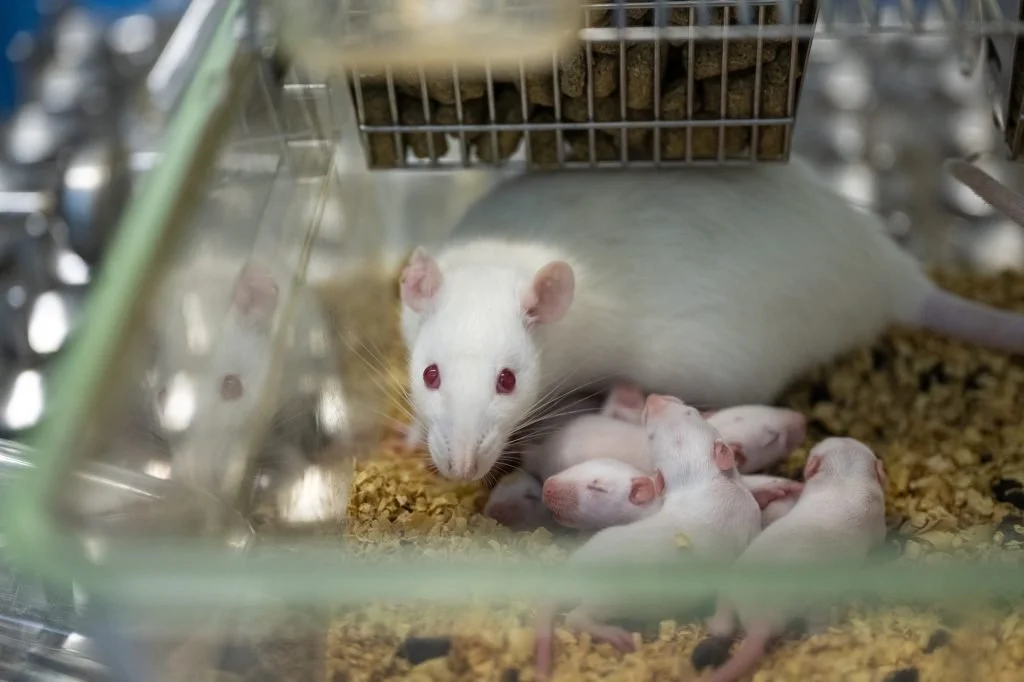
Image by Te Protejo & We Animals
In her campaign platform, Jeannette Jara presented a set of proposals aimed at protecting companion animals and endangered native species, including measures such as promoting responsible pet ownership, mass spaying and neutering, microchip identification, and working toward the gradual transformation of zoos into conservation areas. For her part, Evelyn Matthei incorporated initiatives focused on strengthening responsible pet ownership, animal welfare, and the protection of the natural environment, along with the creation of safe public spaces that accommodate the presence of animals without harming biodiversity, as well as plans for the control and management of feral animals.
In Franco Parisi’s case, his platform included support for Bulletin No. 15,693-18, known as the “Shared Custody Act 2.0,” which proposes incorporating the concept of shared custody of companion animals. For his part, Eduardo Artés presented measures aimed at protecting terrestrial and marine wildlife.
In contrast, the campaigns of José Antonio Kast, Johannes Kaiser, Harold Mayne-Nicholls, and Marco Enríquez-Ominami did not include any proposals related to animal protection or welfare in their platforms.
Nicole Valdebenito, director of advocacy at Te Protejo, stated: “Incorporating animal protection and welfare into presidential proposals is an ethical and social necessity. The way animals are treated reflects a society’s values and is linked to areas such as public health, environmental education, and sustainable development. Therefore, including this issue in government programs is key to moving toward a more conscious and respectful coexistence with other living beings.”
In this vein, the organization contacted each of the presidential candidates to present proposals aimed at strengthening the protection of animals used in research and experimentation. However, these recommendations were not incorporated into the official platforms, which highlights the challenges that remain in mainstreaming animal protection into the country’s public policies.
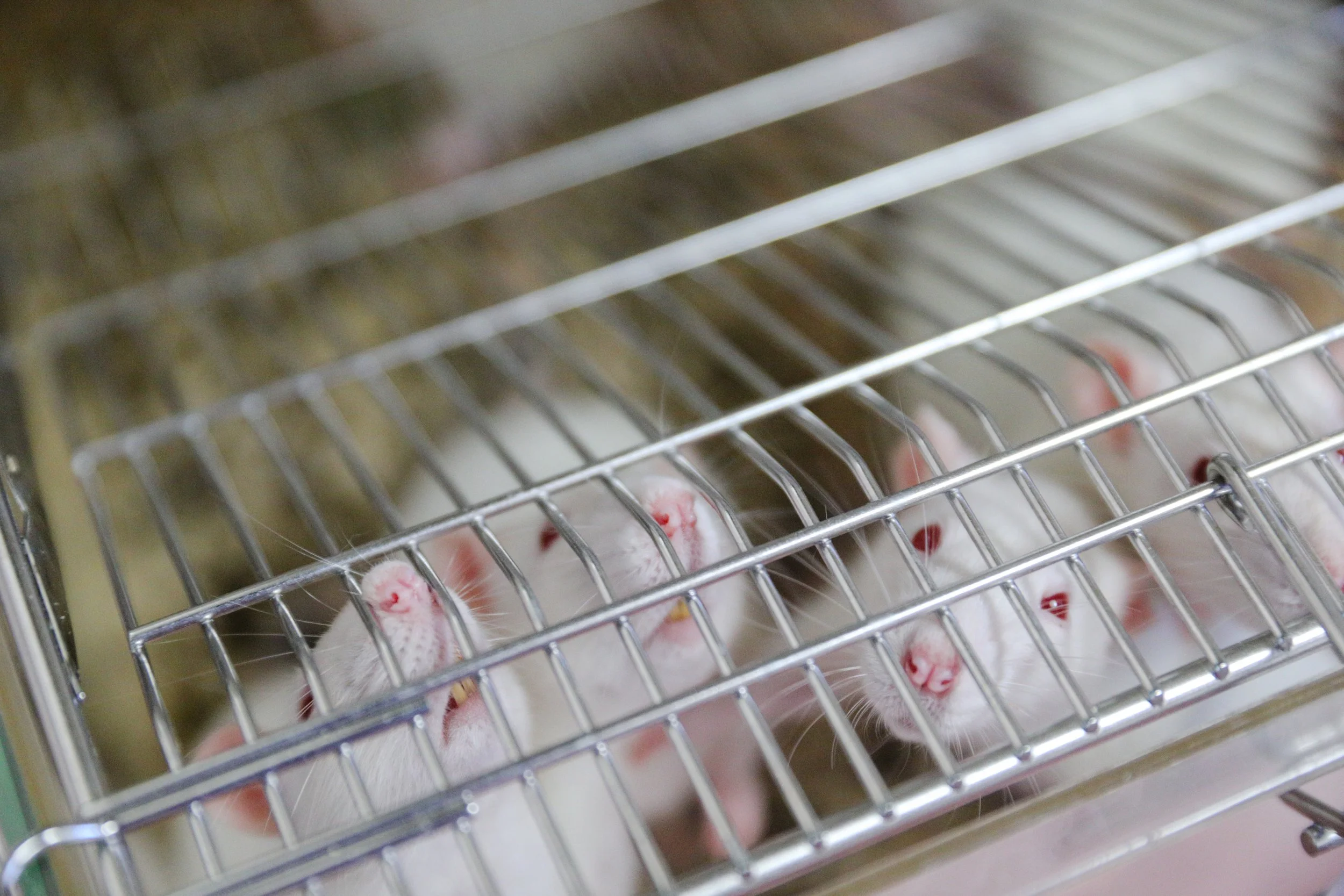
Image by Depositphotos
Francisca Ugalde, Advocacy Manager at Te Protejo, stated: “At Te Protejo, we reaffirm our commitment to continue collaborating with authorities and various sectors of society to move toward a more respectful coexistence with animals. Working together is key to building a sustainable future that takes all sentient beings into account.”
In this context, one of the main challenges lies in the ability of future authorities to translate these demands into concrete actions that will help improve the lives of animals in the country, effectively incorporating their protection into public policy.
The elections were held on November 16, 2025, resulting in the election of José Antonio Kast as President of the Republic for the 2026–2030 term. In this context, the challenge of incorporating animal protection into the public agenda takes on greater significance, especially given the limited presence of these issues in the presidential platforms analyzed.
Those who would like to learn more about how to help protect animals used in research can find information by signing up for the newsletter on our website.