When Our Actions Don't Match Our Beliefs: Let's Talk About Cognitive Dissonance
We say we love animals, yet at the same time we are part of a system that exploits them. There is a name for this contradiction: cognitive dissonance. Understanding it is the first step toward bridging the gap between what we believe and what we do.
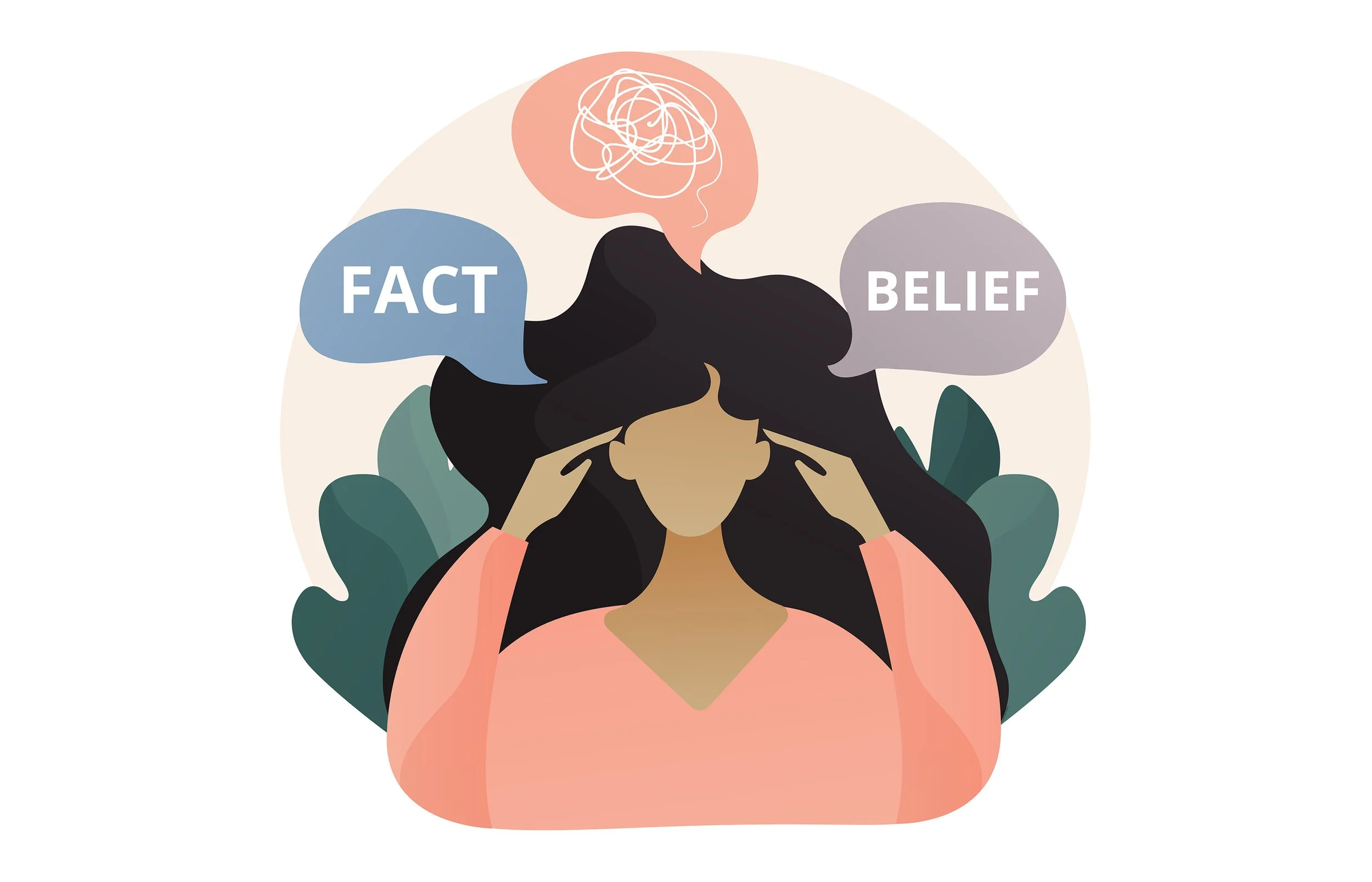
Image by Depositphotos
There’s an episode featuring Jane Goodall on “Famous Last Words, ” the Netflix show where iconic figures record a final interview that is released only after their death. Jane, a primatologist, ethologist, and one of the most influential voices in animal advocacy and nature conservation, filmed it in early 2025, months before she passed away in October of that same year at the age of 91.
In the episode, Jane spoke with that unique blend that only she possessed: scientific clarity and absolute tenderness. She spoke about nature, animals, and conservation, but also about hope as a tool against apathy. She said that every person can make a difference, that every day we make decisions that impact the future, and that true human potential is achieved when the mind and heart work in harmony. She invited us to reflect on the consequences of our actions, on what we buy and consume. And regarding death, she said something that I’ve taken to heart and will never forget:
"If there's nothing, then that's it. But if there is something, I can't think of a greater adventure than discovering what it is."

Image by Depositphotos
It's impossible not to be moved by the greatness, tenderness, consistency, and energy of this extraordinary woman.
However, this happens all the time, and anyone reading this might recognize it: People are deeply moved by this message; they recognize the importance of protecting ecosystems; they understand the impact that the livestock industry has on deforestation, biodiversity loss, and climate change. And yet, they still can’t bring themselves to stop eating meat.
What is the title of the play? Cognitive Dissonance.
Cognitive dissonance is a term coined by psychologist Leon Festinger in 1957, and it describes something we’ve all experienced at some point: the internal tension that arises when our beliefs conflict with our actions. It’s that discomfort we feel when we know one thing but do another. And the most interesting part is what we do to resolve that discomfort: instead of changing our behavior, we often change the narrative, because it’s the easy way out.
In the animal rights community, this concept is constantly debated because it explains one of the most widespread contradictions in our society: most people say they love animals, yet at the same time they actively participate in a system that exploits, mistreats, and tortures them. Researchers call this “the meat paradox”: How can it be that people care about animals and yet eat them? And it’s not just about eating them —it’s about eating them after they’ve endured lives of suffering and cruel deaths.
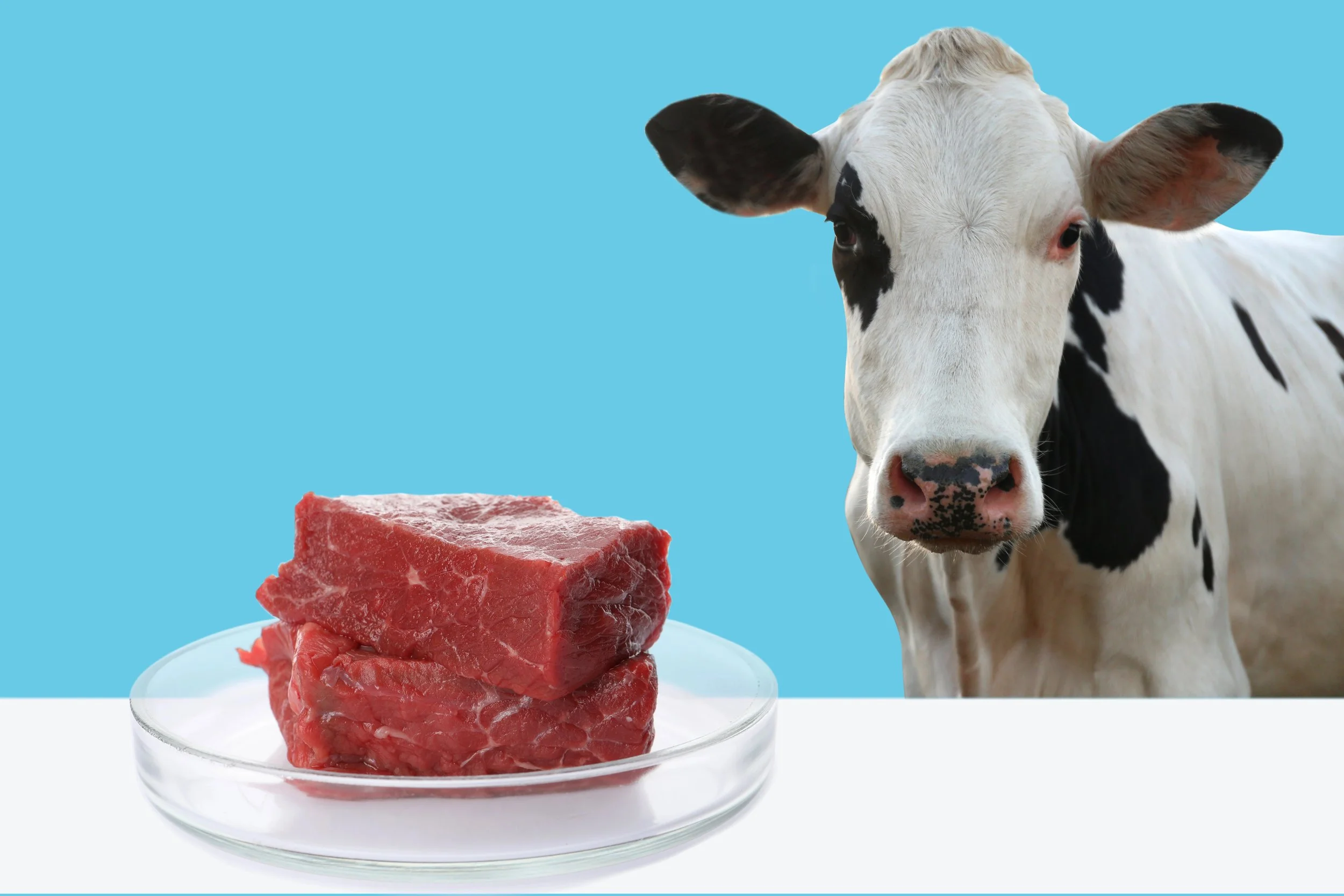
Image by Depositphotos
The answer, according to psychology, is that we develop defense mechanisms to avoid feeling that contradiction. We downplay the capacity for suffering of the animals we eat. We mentally separate “pets” from “animals raised for food.” We say things like “it’s natural,” “it’s always been this way,” “we need protein.” These phrases act as a kind of anesthetic: they don’t eliminate the problem, but they numb the discomfort enough for us to carry on without questioning it.
Social psychologist and researcher Melanie Joy went a step further and gave a name to the belief system that underpins all of this: carnism. An invisible ideological system that conditions us to view the consumption of animal products as something normal, natural, and necessary. The power of naming it lies in the fact that it ceases to be “simply what we do” and becomes something we choose to do within a framework that we can question. I highly recommend her TEDxMünchen talk—in which she proposes and explains her theory—to anyone who hasn’t seen it yet.
In activism, sometimes you have to change your approach. Pointing out someone’s cognitive dissonance rarely works as a strategy for change. Telling someone, “You’re being inconsistent,” doesn’t bring them closer to veganism—it puts them on the defensive and reinforces exactly the mechanisms we want to dismantle.
What people need is a viable path—a process that respects their own pace, their relationships, and their lifelong habits. And perhaps what people who have already made the change need is to let go of the expectation that the people they love will reach the same place as they have, at the same pace.
That doesn't mean we should stop trying. It means understanding that cognitive dissonance isn't resolved through confrontation, but rather through repeated exposure to experiences that make the gap between what we believe and what we do increasingly difficult to ignore.
An honest conversation. A delicious vegan meal shared with the family. A documentary watched together on the couch. Each of these things is a seed, even if we don’t see it sprout right away.

Image by Depositphotos
Jane Goodall dedicated her life to proving that animals have emotions, personalities, family bonds, and the capacity to suffer. Her scientific work was, at its core, an act of resolving cognitive dissonance: by proving that chimpanzees make tools, experience grief, and embrace one another affectionately, she made it a little harder for the world to look the other way.
And in his final words, he didn’t speak of blame. He spoke of hope. He said we shouldn’t give up, that every decision matters, and that harmony between what we think and what we do is possible. I believe that’s the way forward: not blame, not pointing fingers, but a constant invitation to be more consistent. Slowly, if necessary. But without stopping.
Because if there's one thing we've learned from Jane Goodall, it's that patience is also a form of activism, and that hope isn't naive—it's strategic.
Written by Magdalena López - Te Protejo